Introduction
In healthcare settings, patient comfort and privacy are not optional luxuries they are fundamental components of effective treatment, emotional well-being, and faster recovery. Whether a patient is admitted for short-term observation, long-term care, post-surgical recovery, or chronic illness management, the environment around them plays a direct role in how secure, dignified, and supported they feel.
Hospitals, clinics, nursing homes, and even home-care environments are often busy, shared, and filled with constant movement, medical equipment, and staff activity. In such spaces, bed screens serve as a simple yet powerful solution to restore a sense of personal space, minimize disturbances, and protect patient dignity.
By acting as flexible partitions around hospital beds, bed screens help divide large wards into semi-private zones without requiring permanent construction. They reduce visual distractions, create a calmer atmosphere, support infection control efforts, and allow healthcare professionals to perform procedures with greater efficiency and discretion.
In this detailed guide by Aarogyaa Bharat, we explore the importance of bed screens, their key benefits, different types available in modern healthcare, essential selection factors, and how investing in the right bed screen solutions can significantly enhance both patient experience and hospital efficiency.
Understanding the Importance of Bed Screens
Bed screens are an integral part of modern healthcare furniture and space management. They are widely used in hospitals, clinics, nursing homes, maternity wards, dialysis centers, ICUs, physiotherapy units, and home-care setups to create a private and comfortable space for patients.
In shared healthcare environments, multiple patients often occupy the same room or ward. Without proper visual barriers, patients may feel exposed, anxious, or uncomfortable, especially during sensitive moments such as medical examinations, dressing changes, consultations, or emotional conversations with family members.
Bed screens address these concerns by:
-
Reducing visual distractions from other patients and equipment
-
Promoting patient dignity and confidentiality
-
Creating a sense of personal territory around each bed
-
Improving overall ward organization and flow
-
Supporting better hygiene and infection control
-
Enhancing the professionalism of healthcare facilities
From a psychological perspective, privacy has a direct impact on emotional stability. Patients who feel respected and protected are more cooperative with treatment, experience lower stress levels, and often show better recovery outcomes. This makes bed screens not just a physical accessory, but a core component of patient-centered care design.
Benefits of Using Bed Screens in Healthcare Facilities
1. Enhances Patient Privacy
Privacy is one of the most critical aspects of quality healthcare. Bed screens create a personal enclosure around each patient, ensuring that they feel secure, respected, and protected from unnecessary exposure.
This is especially important in:
-
Shared hospital wards
-
Maternity and gynecology units
-
Post-surgical recovery rooms
-
Dialysis centers
-
Geriatric care facilities
By offering a visual barrier, bed screens prevent direct visibility during medical procedures, dressing changes, and consultations. This not only protects patient dignity but also builds trust between patients and healthcare providers.
2. Improves Comfort & Emotional Well-Being
Hospital stays can be stressful, overwhelming, and emotionally draining. Patients often feel vulnerable due to illness, unfamiliar surroundings, constant noise, and lack of personal control over their environment.
Bed screens help create a calmer micro-environment around each patient bed by:
-
Reducing visual clutter
-
Blocking unnecessary movement in the field of view
-
Providing a sense of personal space
-
Making patients feel less exposed
-
Encouraging better rest and sleep
This improved emotional comfort directly contributes to reduced anxiety, lower stress hormones, improved cooperation with treatment, and overall better healing outcomes.
3. Reduces the Spread of Infections
Infection control is a top priority in all healthcare environments. While bed screens are not a replacement for isolation rooms or medical-grade barriers, they do play a supportive role in minimizing cross-contamination.
Modern bed screens made from:
-
Antimicrobial fabrics
-
Easy-clean vinyl surfaces
-
Non-porous acrylic or polycarbonate panels
can help reduce surface contamination and limit airborne exposure between adjacent beds.
This is especially beneficial in:
-
ICUs and emergency wards
-
Flu and viral outbreak seasons
-
Post-pandemic care environments
-
High-traffic hospital areas
Regular cleaning and proper material selection further strengthen the infection-control value of bed screens.
4. Facilitates Efficient Medical Procedures
Bed screens allow healthcare professionals to perform examinations, injections, dressing changes, catheter care, and minor procedures without relocating patients to separate rooms.
They help by:
-
Creating instant semi-private treatment zones
-
Reducing interruptions during procedures
-
Improving confidentiality during consultations
-
Enhancing workflow efficiency for doctors and nurses
-
Saving time and operational costs
This convenience improves both patient experience and staff productivity, especially in high-volume hospitals.
5. Cost-Effective Solution for Space Management
Building permanent partitions or private rooms is expensive, time-consuming, and inflexible. Bed screens offer a highly economical alternative for dividing patient spaces.
They:
-
Require no structural modifications
-
Can be repositioned as needed
-
Adapt easily to changing ward layouts
-
Offer long-term value with minimal maintenance
-
Support scalability as patient volume grows
This makes bed screens ideal for hospitals, temporary medical camps, mobile clinics, and rapidly expanding healthcare facilities.
Types of Bed Screens & Their Applications
1. Fixed Bed Screens
Fixed bed screens are permanent installations typically constructed from metal frames, wooden panels, or laminated boards. They are commonly found in high-traffic hospital wards and long-term care units.
Key Advantages:
-
High durability
-
Stable structure
-
Long service life
-
Professional appearance
Best Suited For:
-
Dialysis units
-
Maternity wards
-
Long-term care facilities
-
High-occupancy hospital rooms
2. Foldable / Portable Bed Screens
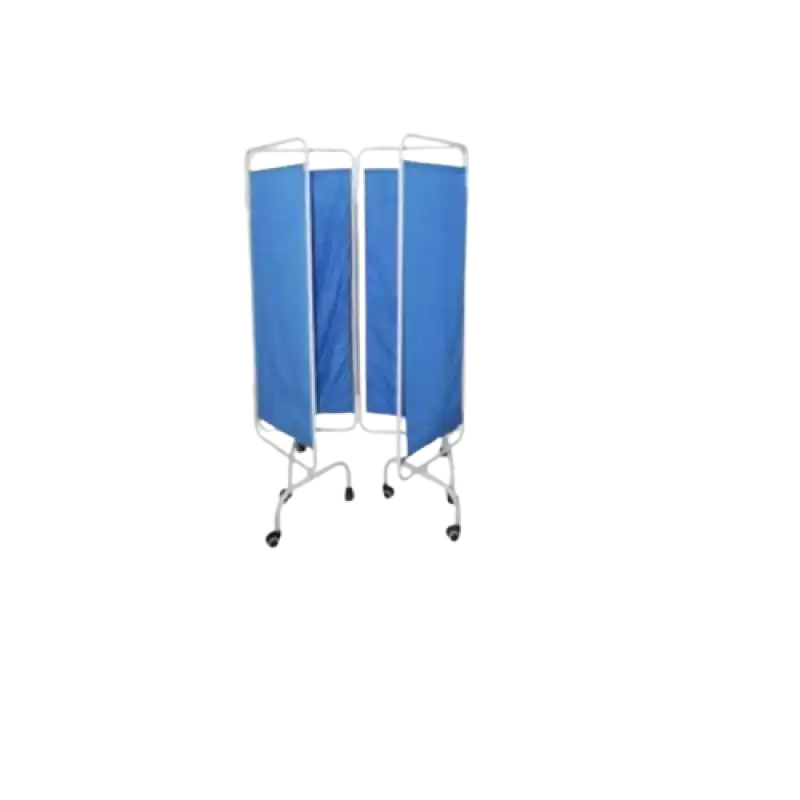
Foldable bed screens are lightweight, mobile, and highly flexible. They usually come in 2-panel, 3-panel, or 4-panel designs mounted on wheeled frames.
Key Advantages:
-
Easy to move and reposition
-
Compact storage
-
Quick deployment
-
Cost-effective
-
Ideal for dynamic environments
Best Suited For:
-
Emergency wards
-
Temporary partitions
-
Home-care setups
-
Small clinics
3. Curtain Bed Screens
Curtain bed screens consist of fabric curtains mounted on ceiling tracks or mobile frames. They are the most widely used type in Indian hospitals.
Key Features:
-
Lightweight and flexible
-
Available in antimicrobial fabrics
-
Easy to wash or replace
-
Affordable and scalable
Best Suited For:
-
Multi-bed wards
-
ICUs
-
Maternity wards
-
OPD areas
4. Motorized Bed Screens
Motorized bed screens use automated mechanisms controlled via remote or wall switches.
Key Advantages:
-
Touchless operation
-
Enhanced hygiene
-
Luxury patient experience
-
Smart hospital integration
Best Suited For:
-
Premium hospitals
-
Smart ICUs
-
High-end patient suites
5. Transparent Bed Screens
Transparent bed screens are made from acrylic, polycarbonate, or tempered glass. They provide partial privacy while allowing staff visibility.
Key Advantages:
-
Maintains patient supervision
-
Modern aesthetic
-
Easy disinfection
-
Supports ICU monitoring
Best Suited For:
-
ICUs
-
Pediatric wards
-
Monitoring-intensive units
Factors to Consider When Choosing a Bed Screen
1. Material & Durability
Choose bed screens made from high-quality materials that can withstand daily hospital use, frequent cleaning, and repeated movement.
Ideal materials include:
-
Stainless steel
-
Powder-coated aluminum
-
Antimicrobial fabrics
-
Acrylic or polycarbonate
2. Size & Flexibility
The bed screen should fit your ward layout without obstructing staff movement or medical equipment. Foldable or wheeled designs offer superior flexibility for dynamic care environments.
3. Infection Control Properties
Always prioritize screens with:
-
Antimicrobial coatings
-
Easy-wipe surfaces
-
Washable fabrics
-
Non-porous materials
These features are essential for maintaining hygiene and complying with hospital sanitation standards.
4. Aesthetic Appeal
Soft colors, smooth finishes, and modern designs contribute to a calming patient environment. A visually pleasant space improves emotional comfort and strengthens your hospital’s brand image.
5. Ease of Maintenance
Low-maintenance bed screens save time and operational costs. Look for:
-
Removable curtains
-
Rust-resistant frames
-
Simple cleaning requirements
How Aarogyaa Bharat Provides Quality Bed Screens
At Aarogyaa Bharat, we understand that healthcare furniture must meet the highest standards of quality, safety, and comfort. Our bed screens are designed to enhance patient dignity while offering long-lasting performance.
Our Key Offerings Include:
-
Foldable bed screens
-
Fixed bed partitions
-
Curtain bed screen systems
-
Custom-size hospital screens
-
Durable metal-frame designs
-
Easy-clean antimicrobial options
Why Healthcare Professionals Trust Aarogyaa Bharat:
-
Premium-grade materials
-
Competitive pricing
-
Customization support
-
Fast delivery across India
-
Dedicated customer service
-
Reliable post-sales support
Visit aarogyaabharat.com to explore our full range of hospital bed screens and healthcare furniture solutions.
Conclusion
Bed screens play an essential role in modern healthcare by enhancing patient privacy, ensuring emotional comfort, supporting infection control, and improving operational efficiency. From shared hospital wards to home-based patient care, these simple yet powerful tools significantly elevate the overall patient experience.
Choosing the right type of bed screen can reduce patient anxiety, improve workflow, strengthen hygiene standards, and enhance your healthcare facility’s professional image.
Aarogyaa Bharat provides high-quality, durable, and customizable bed screens tailored for Indian healthcare environments. Investing in the right bed screen solutions today means creating a better, more comfortable, and more efficient patient environment tomorrow.
For top-quality bed screens and other healthcare essentials, explore the offerings at Aarogyaa Bharat and take the next step toward smarter, more compassionate patient care.