Introduction
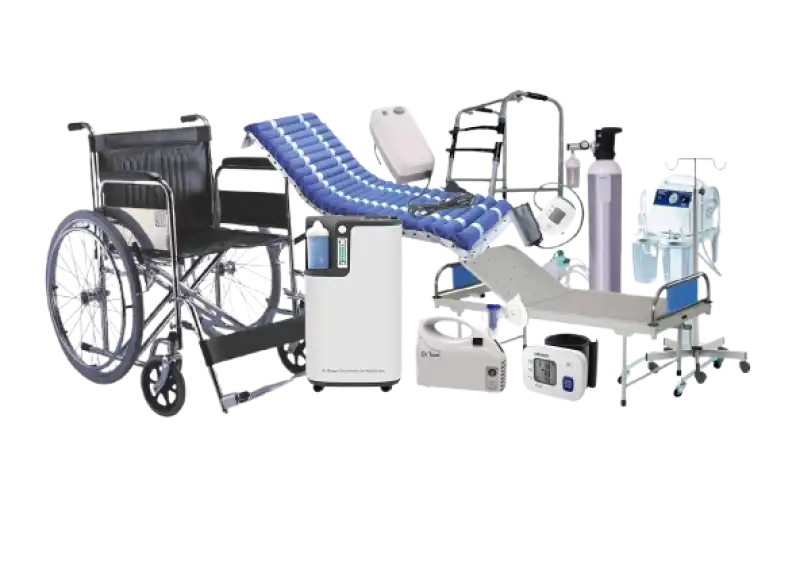
Home healthcare has become an increasingly popular choice for individuals who need medical care but prefer the comfort and privacy of their own homes. Medical equipment plays a crucial role in making home healthcare both effective and safe, providing support for patients with chronic conditions, recovering from surgeries, or requiring long-term care.
In this blog, we’ll explore the key medical devices that help caregivers deliver optimal care, enhance patient comfort, and ensure safety in the home healthcare setting.
1. Hospital Beds: The Foundation of Home Healthcare
Hospital beds are essential for individuals who spend a lot of time in bed due to illness or injury. These beds provide comfort, safety, and support, making it easier for patients and caregivers alike. Hospital beds can be adjusted to different angles, improving circulation, preventing bedsores, and aiding in personal care tasks.
Key features of hospital beds for home use:
· Adjustable Heights: Allows caregivers to adjust the bed’s height for easy access and to prevent back strain.
· Reclining Positions: Enables the patient to sit up, reducing discomfort and helping with respiratory conditions.
· Side Rails: Prevents falls and provides additional support for patients when changing positions.
· Wheels: Makes it easy to move the bed, ensuring flexibility in room placement.
Benefits:
· Increases comfort for bedridden patients.
· Reduces the risk of bedsores and other complications.
· Provides support for caregivers during daily tasks like repositioning or assisting with feeding.
2. Mobility Aids: Ensuring Independence and Safety
For patients with limited mobility, having the right mobility aids is crucial for maintaining independence and reducing the risk of falls. Mobility aids like wheelchairs, walkers, and crutches provide essential support, whether the patient is recovering from surgery or managing a chronic condition like arthritis.
Popular mobility aids for home healthcare include:
· Walkers: Provide additional support for patients with limited balance and coordination.
· Rollators: Similar to walkers, but with wheels, rollators also have seats, making them ideal for patients who need to rest frequently.
· Wheelchairs: Manual or powered wheelchairs help patients with severe mobility restrictions move around the house safely.
· Canes: Simple and effective for patients who need a bit of support while walking but can bear weight on their legs.
Benefits:
· Promotes independence and mobility.
· Reduces the risk of falls by providing stability.
· Helps patients engage in daily activities with greater ease.
3. Health Monitoring Devices: Staying on Top of Vital Signs
Health monitoring devices are essential in tracking a patient’s vital signs and managing chronic conditions such as hypertension, diabetes, and heart disease. Monitoring devices allow caregivers to track the patient’s health status regularly, which can be crucial for adjusting treatment or detecting potential issues early.
Common health monitoring devices for home healthcare:
· Blood Pressure Monitors: Essential for patients with hypertension or heart disease. Digital BP monitors are easy to use and provide accurate readings.
· Glucometers: A must-have for diabetic patients, glucometers allow regular blood sugar monitoring to prevent complications.
· Thermometers: A reliable thermometer helps in detecting fevers early, enabling caregivers to take immediate action.
· Pulse Oximeters: These devices measure blood oxygen levels, which is particularly useful for patients with respiratory conditions like COPD or asthma.
· Stethoscopes: Although not electronic, stethoscopes allow caregivers and healthcare professionals to monitor heart and lung sounds.
Benefits:
· Early detection of changes in health status.
· Enables timely interventions, improving patient outcomes.
· Allows caregivers to monitor health parameters without needing frequent hospital visits.
4. Oxygen Therapy Equipment: A Vital Tool for Respiratory Care
For patients with respiratory conditions, such as COPD, asthma, or COVID-19 recovery, oxygen therapy equipment is critical. These devices ensure that the patient receives adequate oxygen levels at all times, preventing symptoms of oxygen deficiency like dizziness or fatigue.
Types of oxygen therapy equipment for home use:
· Oxygen Concentrators: These machines provide a continuous supply of oxygen, especially for patients with chronic respiratory conditions.
· Oxygen Cylinders: For patients who need portable oxygen, cylinders offer a flexible solution for mobility.
· Pulse Oximeters: A pulse oximeter is used to monitor oxygen saturation in the blood, allowing caregivers to assess whether the patient requires additional oxygen.
Benefits:
· Improves oxygen levels in the blood, enhancing overall health.
· Reduces the need for frequent hospital visits for oxygen therapy.
· Provides convenience and portability, allowing patients to carry on with their daily routines.
5. Incontinence Care Products: Ensuring Comfort and Hygiene
Incontinence is a common issue among elderly patients or those with certain medical conditions. Providing the right incontinence care products helps manage this condition discreetly and comfortably, ensuring hygiene and dignity for the patient.
Popular incontinence products for home healthcare include:
· Adult Diapers and Briefs: Designed to be worn by patients with moderate to heavy incontinence, these products are highly absorbent and easy to use.
· Incontinence Pads: Suitable for patients with mild incontinence, these pads fit into regular underwear and provide comfort and protection.
· Bed Protection Products: Waterproof mattress covers and underpads protect bedding from leaks, keeping the patient’s sleeping environment clean and dry.
· Urinals and Bedpans: For bedridden patients, these tools provide a hygienic solution for managing incontinence without getting out of bed.
Benefits:
· Promotes comfort and dignity for patients.
· Reduces the risk of skin irritation and infections.
· Minimizes the need for frequent bed changes and laundry.
6. Fall Prevention Devices: Keeping the Patient Safe
Preventing falls is one of the most important aspects of home healthcare, particularly for elderly patients or those with mobility issues. Fall prevention devices can significantly reduce the risk of injuries, such as fractures or head trauma, which are common in older adults.
Common fall prevention devices:
· Grab Bars and Handrails: Installing grab bars in bathrooms, hallways, and stairways offers extra support and reduces the risk of falls.
· Non-slip Mats: Place these mats in bathrooms or high-risk areas to prevent slipping.
· Fall Detection Systems: Wearable devices or smartwatches that detect falls and send alerts to caregivers can be life-saving in emergencies.
Benefits:
· Reduces the risk of serious injuries from falls.
· Increases confidence in the patient’s ability to move independently.
· Provides peace of mind for caregivers by enabling prompt response in case of a fall.
7. Personal Care Equipment: Enhancing Daily Living
Personal care devices are vital in promoting independence and enhancing the quality of life for patients, particularly those with mobility challenges or limited functional abilities. These tools ensure that patients can maintain a certain level of autonomy in daily activities like bathing, grooming, and using the restroom.
Examples of personal care equipment:
· Shower Chairs and Commodes: These devices help patients maintain hygiene and reduce the risk of falls while bathing or using the toilet.
· Electric Toothbrushes: These toothbrushes are easier to use, especially for patients with arthritis or limited hand dexterity.
· Raised Toilet Seats: A raised seat helps reduce strain on the joints, making it easier for patients to use the toilet independently.
Benefits:
· Encourages independence in daily activities.
· Reduces the need for caregiver assistance, easing the caregiving burden.
· Helps patients maintain dignity and comfort while performing personal care tasks.
Conclusion
Medical equipment plays an essential role in the delivery of home healthcare. By incorporating the right devices into a home healthcare plan, caregivers can provide better care, promote patient independence, and ensure safety. Whether it’s for chronic condition management, post-surgery recovery, or elderly care, the right medical equipment makes a significant difference in both the quality of care and the patient’s overall well-being.
At AarogyaaBharat, we provide a wide range of high-quality medical equipment designed to meet the needs of patients and caregivers alike. Whether you're looking for hospital beds, mobility aids, health monitoring devices, or personal care equipment, we have you covered.
Visit AarogyaaBharat to explore our products and learn more.