



Safety Isn’t Just a Buzzword—It’s a Daily Responsibility
A few months ago, my neighbor’s toddler took a tumble. Just a typical baby wobble, but it led to a mild skull injury. The parents were devastated—and surprised. They hadn’t heard of baby helmets before. And to be honest, neither had I. That’s when it really hit me: medical safety equipment doesn’t start and end in hospitals. It starts at home—with the basics.
Let’s Talk About the Real Heroes: Everyday Medical Tools
We often imagine medical gear as big machines with flashing lights. But safety lies in the small things too—the often-ignored items that quietly prevent injuries and support healing.
Baby Helmets: For Protection When It Matters Most
These are not fashion statements. They're medically designed to gently support head growth in infants with flat spots or developmental concerns. Some babies need them—many don’t. But when they do, that small helmet can shape a healthy future. Literally.
Wheelchairs: More Than Mobility
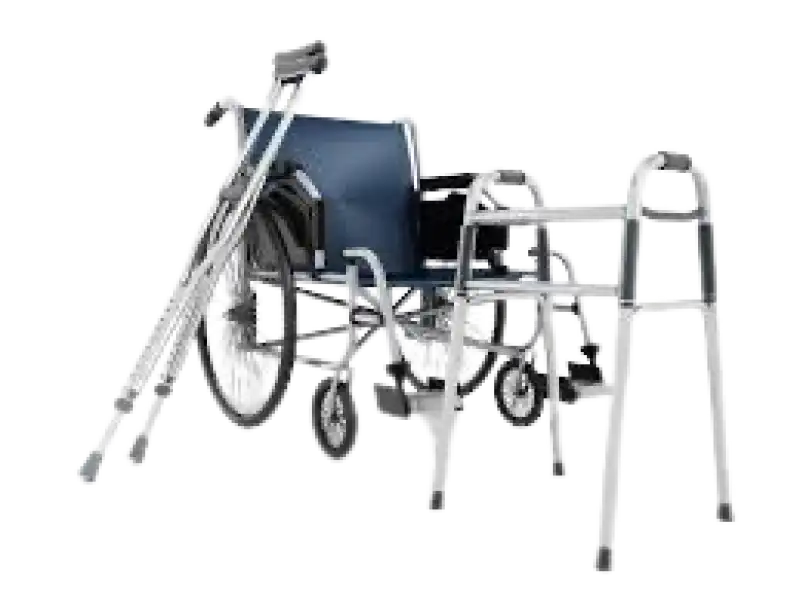
Not all wheelchairs are made equal. Some support posture, some don’t. And if someone’s going to spend hours sitting in one, cushioning and back support are just as important as wheels. I’ve seen elderly relatives improve their mood just by switching to a chair that didn’t hurt to sit in.
Walking Sticks: Confidence in Every Step
It’s easy to underestimate how much strength it takes to stand, walk, and balance when recovering from an injury or dealing with aging bones. A well-designed stick doesn’t just assist movement—it prevents dangerous falls and injuries.
Neck Pillows: Tiny Things, Big Relief
Neck pillows are often sold as travel accessories. But for patients recovering from surgery or the elderly who spend more time seated or lying down, a well-shaped neck pillow reduces strain and discomfort. It’s not just comfort—it’s care.
Why Should You Care?
Because these aren’t luxuries. These are your first line of defense in moments when your body is vulnerable. They’re quiet tools with loud impacts. And most people don’t realize their value until they don’t have them when needed. You wouldn’t ignore a fire alarm because it’s small, right?
Quick Checklist: What to Keep at Home
- Adjustable walking stick
- Quality neck pillow (memory foam works wonders)
- Lightweight wheelchair with arm and foot support
- Baby helmet (if recommended by a pediatrician)
- A reliable glucometer (check out options on Aarogyaa Bharat)
- Emergency medicines + contact numbers taped near your phone
- First-aid kit with bandages, antiseptics, and basic meds
FAQs
Q: Are these tools expensive?
Not all. Many items like neck pillows or sticks are affordable. Renting from platforms like Aarogyaa Bharat is also a good option.
Q: Who needs this kind of setup?
Anyone caring for an elderly person, a patient recovering at home, or young children.
Q: Can I buy all of this online?
Yes. Aarogyaa Bharat delivers most essentials to your door—buy or rent, depending on your need.
Final Thoughts: Safety Is a Quiet Commitment
Real safety doesn't look dramatic. It looks like your grandfather walking steadily because he has the right stick. It sounds like a baby giggling with a helmet that’s shaping their future. It feels like peace of mind when you know your loved ones are protected, even in small ways. Don’t wait for an emergency. Equip your home with love and logic. Because in the end, it’s the small things that protect what matters most.





