Introduction
Monitoring vital signs such as blood pressure, oxygen levels, and body fat percentage is crucial for early disease detection, preventive healthcare, and effective patient management. Healthcare professionals, including doctors and nurses, rely on advanced diagnostic tools like BP machines, digital body fat calipers, and smart vein finders to ensure accurate readings and timely treatments. These tools play a vital role in helping individuals track their health status at home and allowing hospitals and clinics to improve patient care. In this article, we explore the importance of vital sign monitoring, how to choose the right BP machine and diagnostic tools, and how these devices can significantly impact healthcare outcomes.
Why is Monitoring Vital Signs Important?
Vital signs are key indicators of health, and monitoring them regularly offers several benefits:
1. Early Detection of Health Issues
- Hypertension (High Blood Pressure): Uncontrolled blood pressure can lead to stroke, heart disease, and kidney failure.
- Cardiovascular Diseases: Irregular heart rates and fluctuating blood pressure may signal an underlying heart condition.
- Metabolic Disorders: Monitoring body fat percentage can help detect early signs of obesity and metabolic syndrome, reducing the risk of diabetes.
- Respiratory Conditions: Tracking oxygen levels ensures early detection of respiratory diseases like asthma and COPD.
2. Precision in Treatment
Doctors and healthcare providers use diagnostic tools to adjust medications and treatment plans based on accurate readings. For example:
- Patients with hypertension require regular BP monitoring to determine the right dosage of medications.
- Athletes and fitness enthusiasts track their body fat percentage to optimize diet and exercise.
- Diabetic patients use glucose monitors and BP machines to manage their condition effectively.
3. Improved Patient Outcomes
Continuous tracking of vital signs prevents medical emergencies and allows timely intervention. Hospitals use advanced diagnostic tools to enhance patient care, leading to better recovery rates and improved health outcomes.
Choosing the Right BP Machine & Diagnostic Tools
There are various BP machines and diagnostic tools available, each catering to different needs. Here’s how to select the best one for you.
BP Machines: Digital vs. Aneroid Sphygmomanometer
|
Aneroid
Sphygmomanometer |
||
|
Ease of
Use |
Automatic,
user-friendly |
Requires
manual inflation & expertise |
|
Accuracy |
High (if
calibrated properly) |
More precise
for professionals |
|
Best For |
Home users,
general patients |
Hospitals,
clinics, trained staff |
Which BP Machine Should You Choose?
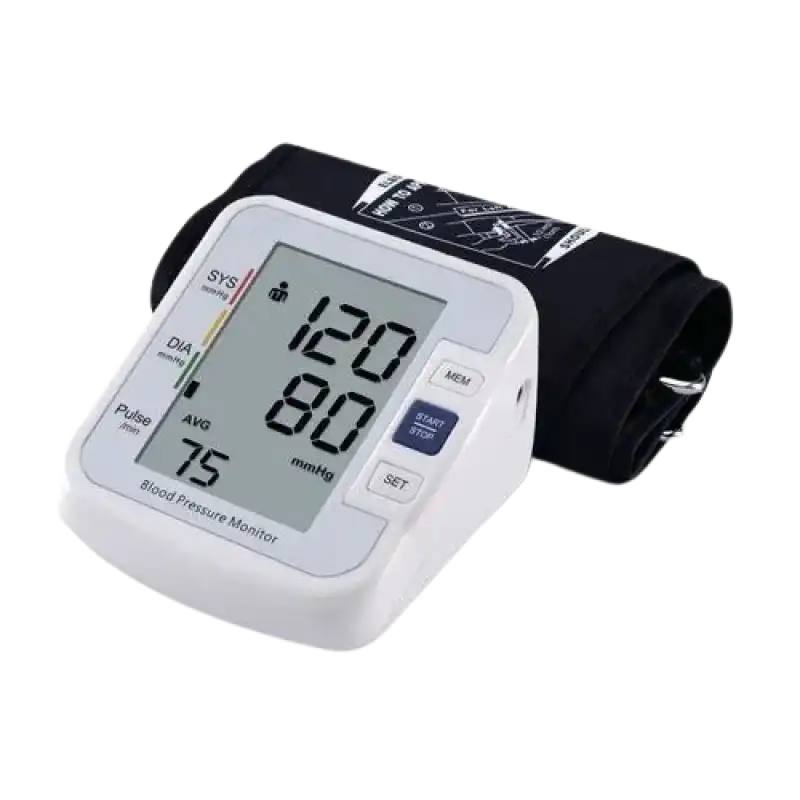
- For home use: A digital BP machine is ideal as it offers automatic readings, ease of use, and memory storage.
- For professional settings: Hospitals and clinics prefer aneroid sphygmomanometers for their high precision and manual control.
Other Essential Diagnostic Tools
1. Digital Body Fat Caliper
Purpose: Monitors body fat percentage to help track weight loss, obesity management, and fitness goals.
- Used by fitness trainers, medical professionals, and individuals.
- Provides accurate readings compared to traditional BMI measurements.
2. Smart Vein Finder
Purpose: A device that helps locate veins for IV insertions and blood draws.
- Ideal for nurses, phlebotomists, and medical practitioners.
- Reduces needle insertion errors, improving patient comfort.
3. Digital Hand Dynamometer
Purpose: Measures hand grip strength, useful for rehabilitation, muscle health tracking, and sports performance.
- Essential for physical therapists and athletes.
- Helps detect muscle loss in elderly patients.
4. Pulse Oximeter
Purpose: Measures oxygen saturation levels in the blood, crucial for patients with respiratory issues.
- Commonly used for COVID-19 monitoring, asthma, and COPD management.
- Provides quick, non-invasive readings.
5. Digital Thermometer
Purpose: Helps measure body temperature accurately.
- Essential for fever management and infection detection.
- Provides instant and accurate results.
Conclusion
Accurate vital sign monitoring is the backbone of effective healthcare. Whether for home users, hospitals, or clinics, investing in the right BP machines, body fat calipers, and smart vein finders ensures better health management. By using the latest diagnostic tools, individuals can detect diseases early, track progress, and improve overall well-being. Visit Aarogyaa Bharat to explore high-quality BP monitors and diagnostic equipment designed for accuracy and ease of use.