Why Choosing the Right Oxygen Cylinder Size Matters
Oxygen cylinders are not interchangeable tools; they are
precision medical devices designed for specific oxygen demands. Choosing the
wrong size can lead to sudden oxygen depletion, unsafe handling risks, and
emotional distress for both patients and caregivers. Many families mistakenly
assume a smaller cylinder is more affordable, only to realize that it requires
multiple refills every day for patients on continuous oxygen therapy.
The correct cylinder size ensures uninterrupted oxygen
supply, reduces refill frequency, lowers long-term operating costs, and
improves patient confidence. For chronic conditions such as COPD or severe
asthma, reliability is far more important than convenience. Selecting the right
cylinder size is a foundational decision in setting up safe and sustainable
home oxygen therapy.
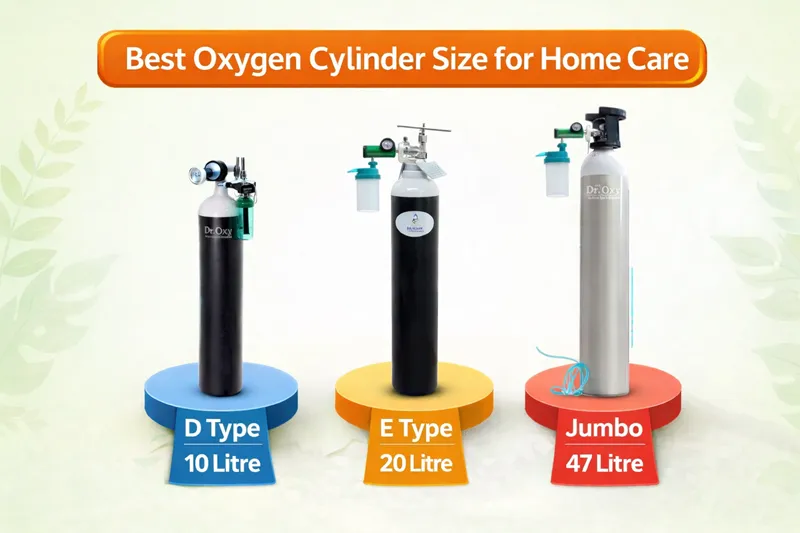
Common Oxygen Cylinder Sizes in India for Home Care
In India, medical oxygen cylinders are categorized by size
and pressure rating. Each type is designed for different therapy durations and
portability needs. The most commonly used oxygen cylinders for home care
include B Type, D Type, E Type, and Jumbo (H/K Type) cylinders.
Smaller cylinders are lightweight and portable, while larger
cylinders store significantly more oxygen and are ideal for long-term use.
Understanding these size differences helps families avoid under-sizing or
over-spending while ensuring patient safety and comfort.
Oxygen Cylinder Size Comparison Table
|
Cylinder
Type |
Oxygen
Capacity |
Approx.
Weight |
Portability |
Best For |
|
B Type |
120-150
liters |
8-10 kg |
High |
Emergency
backup |
|
D Type |
350-460
liters |
15-18 kg |
Medium |
Mild oxygen
needs |
|
E Type |
~680 liters |
25-30 kg |
Low-Medium |
Moderate home
use |
|
Jumbo (H/K) |
6,000-7,000 L |
70-90 kg |
Very Low |
Long-term
therapy |
Best Oxygen Cylinder Size for Home Care (Expert
Recommendations)
Jumbo Oxygen Cylinder - Best for Long-Term Home Care
The Jumbo oxygen cylinder is the gold standard for patients
who require oxygen continuously throughout the day and night. It stores a very
large volume of compressed oxygen, making it ideal for long-term respiratory
conditions such as COPD, pulmonary fibrosis, advanced asthma, and severe
post-COVID recovery. Families prefer jumbo cylinders because they drastically
reduce refill frequency and provide peace of mind during power cuts or
concentrator breakdowns.
At a flow rate of 2 liters per minute, a jumbo cylinder can
last over two full days, while at 5 liters per minute it still provides nearly
a full day of continuous support. Although it is heavy and non-portable, proper
installation on a trolley or stand makes it safe for long-term home use.
E Type Oxygen Cylinder - Best for Moderate Home Use
The E Type oxygen cylinder is the most popular mid-range
option for home oxygen therapy in India. It is widely used for patients who
need oxygen support for a few hours per day or mainly at night. Many households
also keep an E Type cylinder as a backup source alongside an oxygen
concentrator.
At 2 liters per minute, an E Type cylinder typically lasts 5-6
hours, and at 5 liters per minute it lasts about 2-3 hours. While it is easier
to handle than a jumbo cylinder, frequent refilling makes it unsuitable as the
sole oxygen source for continuous therapy.
D Type Oxygen Cylinder - Best for Temporary and Portable
Use
The D Type oxygen cylinder is designed for short-term oxygen
needs, mild breathlessness, or emergency backup situations. It is lightweight
and easy to transport, making it useful for hospital discharge recovery and
temporary home oxygen support.
At a flow rate of 2 liters per minute, a D Type cylinder may
last 2-3 hours, and at higher flow rates it can run out in under one hour.
Because of its limited capacity, it should never be used as the primary oxygen
source for patients requiring continuous therapy.
Oxygen Cylinder Usage Duration Table (By Flow Rate)
|
Cylinder
Type |
2 LPM
Duration |
5 LPM
Duration |
10 LPM
Duration |
|
D Type |
2-3 hours |
~1 hour |
~30 minutes |
|
E Type |
5-6 hours |
2-3 hours |
~1 hour |
|
Jumbo |
50-60 hours |
20-24 hours |
10-12 hours |
Visual Graph Explanation: Oxygen Duration vs Cylinder
Size
(This section can be converted into a bar chart or
infographic for your blog page)
- X-Axis:
Cylinder Size (D Type, E Type, Jumbo)
- Y-Axis:
Hours of Oxygen Supply
- Bars
showing duration at 2 LPM and 5 LPM
Graph Insight (Human Explanation):
The graph clearly shows that D Type cylinders provide only a few hours of
oxygen, making them suitable only for emergencies. E Type cylinders offer
moderate duration and are ideal for night-time or backup use. Jumbo cylinders
dominate in long-term usage, delivering uninterrupted oxygen for one to three
full days depending on flow rate. This visual comparison helps families
understand why jumbo cylinders are strongly recommended for continuous home
oxygen therapy.
Which Oxygen Cylinder Size Should You Choose?
The best oxygen cylinder size depends entirely on the
patient’s medical condition, prescribed oxygen flow rate, daily usage hours,
and home power backup reliability. Patients requiring oxygen around the clock
should always prioritize jumbo cylinders or a concentrator-plus-backup setup.
Those who need oxygen only occasionally or during sleep may find an E Type
cylinder sufficient.
For elderly or bedridden patients, reliability matters far
more than portability. In such cases, jumbo cylinders provide unmatched safety
by minimizing refill dependency. For post-COVID recovery patients or those with
mild breathlessness, a D Type or E Type cylinder may be adequate for temporary
home use.
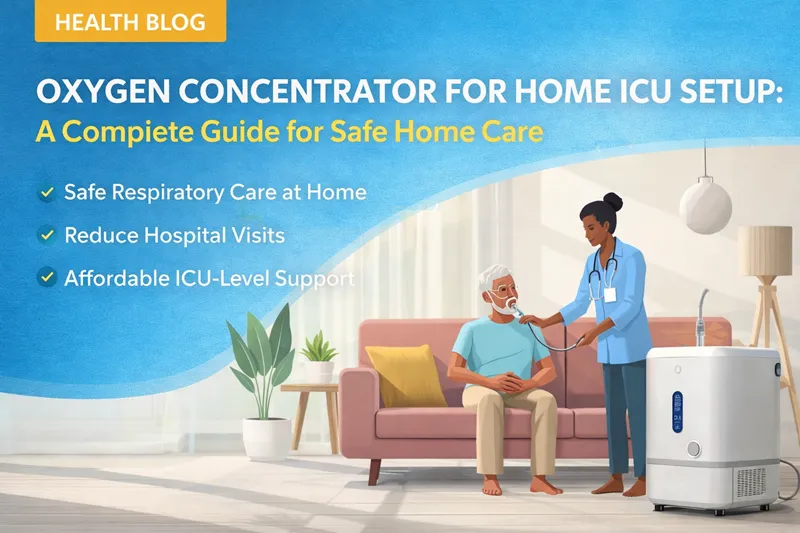
Oxygen Cylinder vs Oxygen Concentrator for Home Care
Modern home oxygen therapy is increasingly shifting toward
oxygen concentrators combined with cylinder backup systems. A concentrator
extracts oxygen from room air and provides unlimited oxygen supply as long as
electricity is available. This eliminates refill costs and ensures convenience
for long-term therapy.
However, concentrators depend entirely on power. During
electricity outages, oxygen supply stops instantly. This is why medical experts
and home-care providers recommend keeping a jumbo or E Type cylinder as a
backup. The most reliable setup for Indian households is a concentrator for
daily use and a cylinder for emergencies.
Oxygen Cylinder Cost in India (Approximate)
|
Cylinder
Size |
Purchase
Cost |
Refill
Cost |
|
D Type |
₹3,500-₹6,000 |
₹300-₹600 |
|
E Type |
₹6,000-₹10,000 |
₹500-₹900 |
|
Jumbo |
₹25,000-₹45,000 |
₹1,200-₹2,500 |
(Prices vary by city and supplier)
Although jumbo cylinders have a higher upfront cost, they
are significantly more economical over time for patients requiring continuous
oxygen therapy. Smaller cylinders often become more expensive due to frequent
refill cycles.
Safety Tips When Using Oxygen Cylinders at Home
Oxygen is highly reactive, making safety practices
absolutely essential for home use. Cylinders must always be kept upright and
secured using a stand or wall chain to prevent accidental tipping. Regulators
and flow meters should be certified medical devices and must never be greased
or tampered with.
Cylinders should be stored in well-ventilated areas away
from open flames, heaters, and smoking zones. Pressure gauges should be
monitored daily to avoid unexpected oxygen depletion. Elderly and bedridden
patients should always be supervised by a trained caregiver to ensure correct
oxygen flow and safe handling.
Conclusion
For long-term oxygen therapy at home, a Jumbo oxygen
cylinder is the safest and most reliable choice. For moderate oxygen needs, an
E Type cylinder is ideal as a primary or backup source. For temporary or
emergency use, a D Type cylinder is sufficient.
The best overall setup for most Indian households is an
oxygen concentrator combined with a jumbo or E Type cylinder as a backup. At
Aarogyaa Bharat, we recommend personalized oxygen solutions based on patient
condition, oxygen flow requirement, home power backup, and budget.
Need Expert Help Choosing the Right Oxygen Setup?
At Aarogyaa Bharat, we help families choose the safest and
most cost-effective oxygen solution based on patient condition, oxygen flow
requirement, therapy duration, and home power backup needs. We provide complete
oxygen solutions including cylinders, concentrators, hospital beds, and
home-care equipment.