Understanding Fall Risk in Elderly Mobility Challenges
Fall risk among elderly individuals is one of the most
critical concerns in modern healthcare and home care environments. As age
progresses, natural physical changes such as reduced muscle strength, slower
reflexes, joint stiffness, and balance issues increase the likelihood of
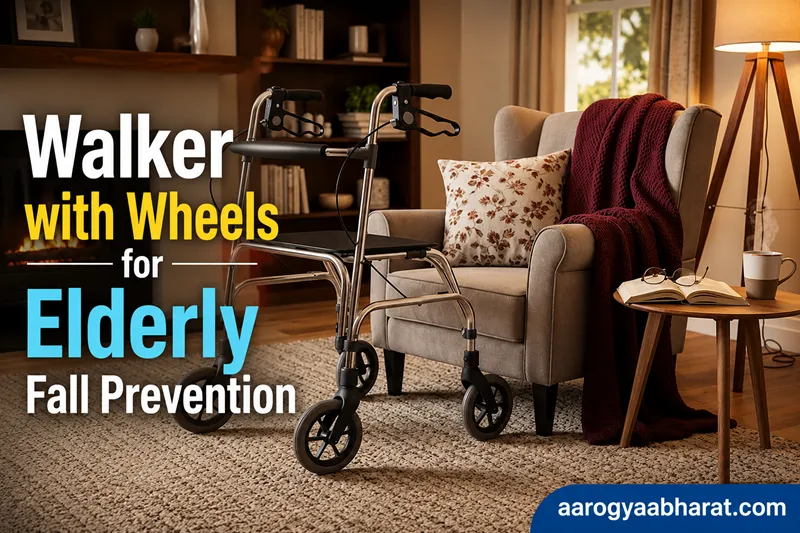
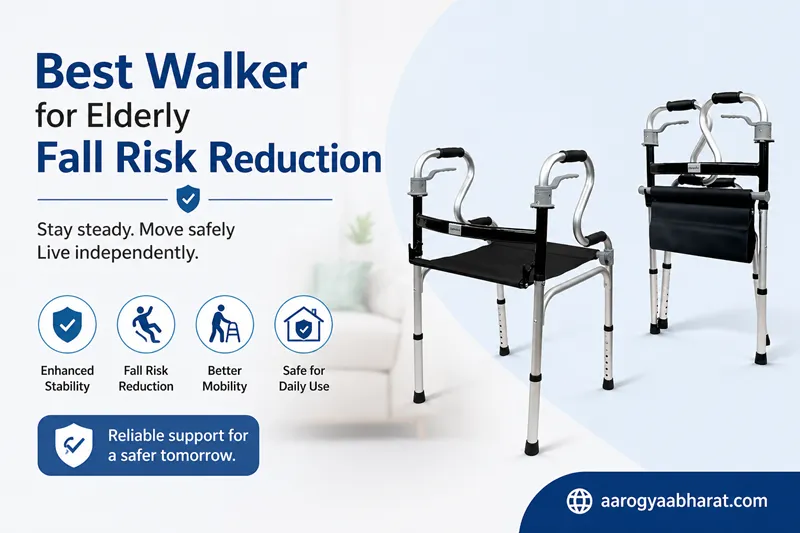
accidental falls. A best walker for elderly falls risk reduction is designed
specifically to address these challenges by providing structured support during
walking. It helps stabilize movement, reduce strain on lower limbs, and improve
confidence in daily activities. In hospitals and rehabilitation centers, fall
prevention is a key part of patient safety protocols. Many elderly patients
require assisted walking devices after surgery or illness recovery. These
devices are also recommended in home care settings where supervision may be
limited. By offering reliable support, walkers significantly reduce injury
risks and improve quality of life.
Engineering and Structural Design for Maximum Safety
Modern walking support devices are engineered with a strong
focus on safety, durability, and ergonomic comfort. The frame is typically
constructed using lightweight aluminium or reinforced steel that ensures
stability without making the device difficult to handle. Anti-slip rubber tips
or precision wheels provide strong grip on indoor surfaces such as tiles, wood,
and marble. Height-adjustable handles ensure correct posture alignment,
reducing stress on the back and shoulders. Foldable mechanisms allow easy
storage and portability in compact living spaces. Ergonomic grip designs reduce
hand fatigue during prolonged use. These structural enhancements are developed
based on clinical mobility standards used in healthcare environments. The
engineering goal is to minimize fall risk while maximizing user independence
and comfort.
Importance of Fall Prevention in Elderly Care Systems
Fall prevention is a core priority in elderly healthcare
management because even minor falls can lead to serious injuries such as
fractures or head trauma. A walking support device plays a crucial role in
reducing these risks by offering continuous stability during movement. It
allows seniors to perform daily activities such as walking, standing, or
transferring between rooms safely. In many cases, caregivers rely on mobility
aids to ensure supervised yet independent movement. Fall prevention strategies
are widely implemented in hospitals, rehabilitation centers, and home care
programs. These strategies include mobility assessments, physical therapy, and
assistive device usage. Walking aids are an essential part of these preventive
systems. They not only protect physical health but also improve psychological
confidence among elderly users.
Comparison of Elderly Mobility Devices for Fall
Prevention
|
Fall Risk
Reduction |
Stability
Level |
Ease of
Use |
Ideal
Environment |
|
|
Standard
Walker |
Very High |
Maximum |
Moderate |
Hospital
& rehab |
|
Wheeled
Walker |
High |
High |
Easy |
Home &
indoor use |
|
Rollator
Walker |
Moderate to
High |
Medium |
Very Easy |
Indoor &
outdoor |
|
Cane Support |
Low |
Minimal |
Very Easy |
Light
assistance |
Each mobility device offers different levels of support
depending on user condition and recovery stage. Walkers designed for fall risk
reduction provide the highest level of stability and are often recommended for
elderly individuals with significant balance issues. Selecting the right device
ensures better safety outcomes and improved mobility confidence.
Safety Features That Reduce Fall Risks Effectively
Advanced walking support devices include multiple safety
features that directly reduce fall risks during movement. Anti-slip rubber feet
or wheel systems ensure firm contact with flooring surfaces. Reinforced frames
prevent bending or instability under pressure. Brake systems in wheeled models
allow controlled stopping and prevent unwanted movement. Height-adjustable
settings ensure proper posture alignment, reducing imbalance during walking.
Some models include shock-absorbing components for uneven surfaces. Lightweight
construction allows easy handling without compromising stability. These
features are designed in accordance with hospital-grade safety protocols.
Together, they significantly improve user confidence and reduce accidental
falls in both home and clinical environments.
Role in Rehabilitation and Post-Treatment Recovery
Walking support devices are widely used in rehabilitation
programs for patients recovering from surgeries, injuries, or neurological
conditions. Physiotherapists use these devices to guide controlled walking
exercises that improve strength, coordination, and balance. In post-surgery
recovery cases such as hip or knee replacement, walkers help patients regain
mobility gradually and safely. They reduce pressure on healing joints and
support proper movement patterns. Rehabilitation centers integrate these devices
into structured recovery plans. Regular use helps restore muscle function and
reduce dependency on caregivers. The controlled environment ensures safe
progress in mobility recovery. These devices are essential tools in modern
physiotherapy practices.
Home Safety and Elderly Independence Support
In home environments, walking support devices play a crucial
role in maintaining elderly independence while ensuring safety. Many seniors
prefer to remain at home, where mobility challenges can increase fall risks due
to limited supervision. A walker provides necessary stability for moving
between rooms, using bathrooms, or performing daily tasks. Caregivers often
rely on these devices to reduce physical assistance requirements. Home safety
planning includes removing obstacles and using mobility aids to prevent
accidents. Urban homes, especially apartments, benefit greatly from compact and
foldable walker designs. These devices allow seniors to maintain dignity and
independence while staying safe in familiar surroundings.
Urban Healthcare Integration and Elder Safety Programs
Urban healthcare systems increasingly focus on fall
prevention as part of elder care strategies. Mobility aids are integrated into
patient discharge plans and home care recommendations. Healthcare professionals
assess patient mobility levels before suggesting appropriate devices. Walking
support tools are often included in senior wellness programs and rehabilitation
packages. City healthcare systems emphasize independent living with safety
support tools to reduce hospital admissions caused by falls. These devices are
also used in assisted living facilities where elderly residents require
continuous support. Their role in urban elder care is becoming more important
due to increasing aging populations in cities.
Maintenance and Long-Term Safety Practices
Proper maintenance is essential for ensuring long-term
safety and performance of walking support devices. Regular cleaning prevents
dust buildup and maintains smooth operation. Rubber tips or wheels should be
inspected frequently for wear and replaced if necessary. All joints and screws
must remain tightly secured to maintain structural stability. Storage in dry
environments helps prevent corrosion and material degradation. Users should
avoid using the device on rough outdoor terrain unless specifically designed
for it. Routine inspections by caregivers or healthcare professionals ensure
continued safety. Proper maintenance significantly extends device lifespan and
ensures reliable fall protection.
Key Benefits of Best Walker for Elderly Fall Risk
Reduction
- Significantly
reduces fall risk in elderly users
- Improves
balance and walking stability
- Enhances
independence in daily activities
- Supports
post-surgery recovery and rehabilitation
- Builds
confidence during movement
- Suitable
for home and hospital environments
- Lightweight
and easy to handle design
- Promotes
safe elderly mobility care
Conclusion
A Best Walker for Elderly Fall Risk Reduction is an essential mobility aid that plays a vital role in preventing injuries and improving safety for senior individuals. It provides stability, confidence, and independence in daily movement while supporting rehabilitation and home care needs. With advanced safety features, ergonomic design, and strong structural engineering, it is widely used in hospitals, rehabilitation centers, and home environments. Choosing the right walker ensures better fall prevention outcomes and improves overall quality of life. As elder care continues to evolve, mobility support devices remain a cornerstone of safe and dignified aging.