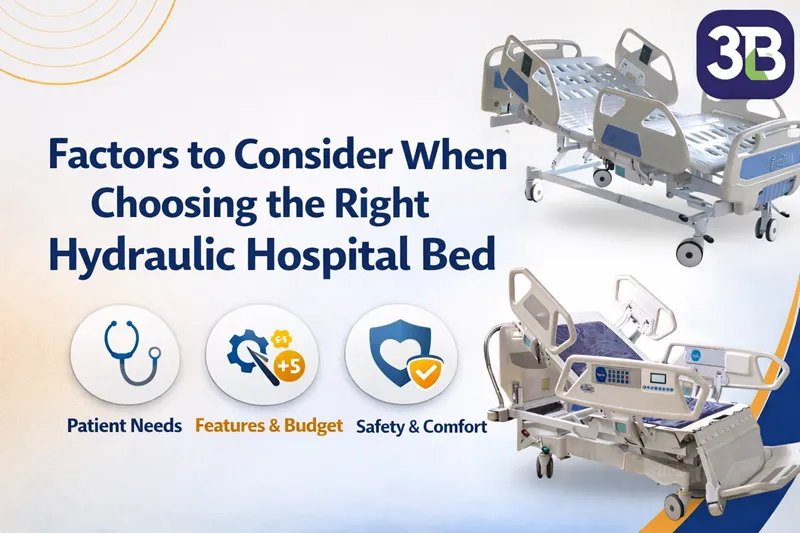
Why Selecting the Correct Hydraulic Hospital Bed Matters
A hospital bed is not just a sleeping surface; it becomes
the centre of daily medical care, rehabilitation, and emotional comfort for
patients recovering from illness or injury. Unlike standard beds, hydraulic
hospital beds allow controlled adjustments that improve breathing posture,
circulation, and mobility support. Choosing the wrong bed may lead to
discomfort, increased caregiver strain, and reduced effectiveness of home care
routines. Aarogyaa Bharat emphasizes that understanding patient condition, caregiver
workflow, and room layout is essential before selecting a hydraulic bed because
these factors determine how well the equipment integrates into daily life.
Long-term patients often spend many hours on the bed, which
means small differences in adjustment range or stability can significantly
impact comfort and recovery. Families who invest time in selecting the right
features often find caregiving easier and more structured.
Understanding Hydraulic Hospital Bed Mechanism and
Functionality
Hydraulic hospital beds operate through manual crank or
hydraulic pump systems that allow caregivers to adjust the backrest, leg
section, and overall height. The mechanical design ensures smooth positioning
without dependence on electricity, making hydraulic beds highly reliable during
power cuts or emergencies. These beds are widely used in home ICU setups
because they combine hospital-grade durability with relatively simple
operation.
Manual adjustment encourages caregivers to reposition
patients regularly, which helps prevent stiffness and pressure build up.
Aarogyaa Bharat notes that hydraulic beds are particularly suitable for
patients who require scheduled posture changes rather than continuous automated
adjustments.
Key Factors to Consider When Choosing a Hydraulic
Hospital Bed
Selecting the right bed begins with evaluating patient
requirements. Weight capacity is one of the most important considerations
because a strong frame ensures stability during long-term use. Adjustment range
is equally important; beds that allow gradual elevation of both head and leg
sections provide better ergonomic support. Safety rails and locking caster
wheels enhance stability and reduce fall risk, especially for elderly patients.
Another critical factor is mattress compatibility.
Pressure-relief mattresses work best with adjustable beds because they
distribute body weight evenly and reduce discomfort. Aarogyaa Bharat advises
families to look beyond appearance or price and focus on structural design,
adjustment smoothness, and long-term durability.
Table: Essential Features to Evaluate Before Buying a
Hydraulic Hospital Bed
|
Feature |
What to
Check |
Patient
Benefit |
Caregiver
Advantage |
|
Frame
Strength |
Heavy-duty
steel construction |
Stability
& safety |
Long lifespan |
|
Backrest
Adjustment |
Multi-angle
elevation |
Better
breathing posture |
Easier
feeding support |
|
Leg Elevation |
Smooth
lifting mechanism |
Improved
circulation |
Comfortable
positioning |
|
Height
Adjustment |
Wide
adjustment range |
Safe
transfers |
Ergonomic
working height |
Patient-Centric Considerations for Bed Selection
Every patient has unique medical and emotional needs, and
the right hydraulic hospital bed should support both. Patients recovering from
surgery may require frequent backrest adjustments, while elderly individuals
may benefit from gradual leg elevation to reduce swelling. For patients with
neurological conditions, stable side rails and strong frame design provide
additional reassurance during movement.
Comfort is not only physical but also psychological.
Patients who feel secure on a well-designed bed often experience improved mood
and confidence during recovery. Aarogyaa Bharat highlights that selecting the
right bed can influence daily comfort, sleep quality, and overall healing
experience.
Caregiver Workflow and Ergonomic Benefits
Caregivers play a central role in patient care, and the
right hydraulic hospital bed significantly reduces physical strain during daily
routines. Height adjustment allows caregivers to perform tasks such as wound
dressing, physiotherapy exercises, and hygiene care without bending
excessively. Smooth manual controls ensure that adjustments can be made quickly
and safely, improving workflow efficiency.
Families managing home ICU setups often prefer hydraulic
beds because they remain functional regardless of power availability. Aarogyaa
Bharat explains that this reliability reduces stress during critical care
situations, allowing caregivers to focus on patient needs rather than equipment
limitations.
Table: Matching Hydraulic Hospital Bed Types to Patient
Needs
|
Patient
Condition |
Recommended
Bed Features |
Reason for
Choice |
|
Elderly Care |
Side rails
& height adjustment |
Prevent falls
& ease transfers |
|
Smooth
backrest elevation |
Comfortable
feeding & rest |
|
|
Neurological
Conditions |
Strong frame
& stability |
Safe
repositioning |
|
Long-Term Bed
Rest |
Pressure-relief
mattress compatibility |
Reduced
discomfort |
Comparing Hydraulic Beds to Other Bed Types
While electric hospital beds offer automated adjustments,
hydraulic beds provide durability and cost efficiency. Manual hospital beds
without hydraulic assistance may require more effort to adjust, whereas
hydraulic mechanisms ensure smoother movement with less physical strain.
Aarogyaa Bharat suggests hydraulic beds as a balanced option for families
seeking hospital-grade functionality without complex electronics.
Safety Features That Should Never Be Ignored
Safety should be a top priority when choosing a hospital
bed. Look for strong side rails with secure locking mechanisms, anti-rust
coating on metal frames, and stable caster wheels that prevent unwanted
movement. Adjustments should feel smooth rather than jerky, ensuring patient
comfort during repositioning.
Proper installation is equally important. The bed should be
placed in a well-ventilated area with enough space around it for caregivers and
medical equipment. Aarogyaa Bharat recommends receiving a demonstration during
setup to ensure safe operation.
Long-Term Value and Maintenance Considerations
Hydraulic hospital beds are known for their durability and
low maintenance requirements. Regular cleaning with mild disinfectant helps
maintain hygiene, while occasional inspection of hydraulic pumps ensures smooth
performance. Compared to electric beds, hydraulic systems have fewer components
that may require servicing, making them a practical long-term investment for
many households.
Choosing a bed with powder-coated steel construction helps
prevent corrosion, especially in humid environments. Aarogyaa Bharat advises
families to view the purchase as a long-term healthcare investment rather than
a temporary solution.
Emotional and Lifestyle Impact of Choosing the Right Bed
A thoughtfully selected hydraulic hospital bed enhances not
only physical care but also emotional well-being. Patients who can sit upright
comfortably often feel more connected to family activities, improving mood and
reducing isolation. Caregivers benefit from smoother workflows, which reduces
stress and creates a more supportive home environment.
Aarogyaa Bharat believes that the right hospital bed becomes
a foundation for dignity and independence during recovery, allowing patients to
maintain comfort and confidence even during challenging health journeys.
Conclusion
Choosing the right hydraulic hospital bed is a critical step
in creating a safe and comfortable home healthcare environment. From improving
patient positioning and supporting rehabilitation to reducing caregiver strain
and enhancing emotional well-being, the right bed plays a transformative role
in recovery. By evaluating features such as frame strength, adjustment range,
safety rails, and long-term durability, families can make informed decisions
that align with both medical needs and daily lifestyle requirements. Aarogyaa
Bharat encourages patients and caregivers to view hospital beds as essential
healthcare tools that promote dignity, comfort, and better quality of life
throughout the healing journey.