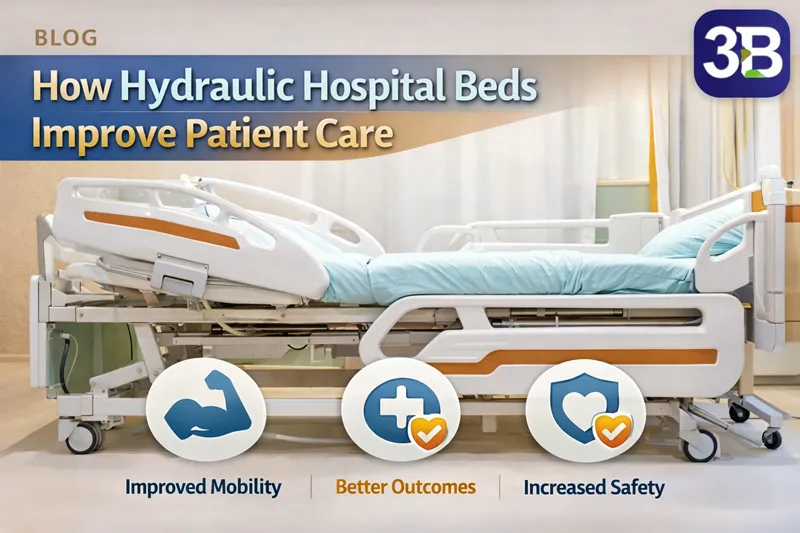
The Role of Adjustable Hospital Beds in Modern Patient
Care
Patient care has evolved beyond basic treatment to include
comfort, mobility support, and long-term safety. Adjustable hospital beds play
a vital role in improving outcomes because they allow patients to remain in
positions that reduce discomfort while supporting medical needs. Hydraulic
hospital beds use manual mechanisms to provide reliable positioning without
depending on electricity, making them particularly valuable in-home ICU setups
and long-term care environments.
When patients remain in one position for extended periods,
they may experience pressure build up, breathing difficulties, or circulation
issues. A hydraulic bed enables caregivers to adjust posture regularly, helping
prevent complications associated with immobility. Aarogyaa Bharat emphasizes
that the ability to change positions safely is one of the most significant
factors influencing recovery quality and patient satisfaction.
Improved Patient Positioning for Comfort and Medical
Stability
One of the primary ways hydraulic hospital beds improve
patient care is through controlled positioning. Elevating the backrest allows
patients to sit in a semi-upright position, which is often recommended for
individuals with respiratory conditions, post-surgical recovery needs, or
feeding assistance. Leg elevation supports circulation, reducing swelling and
discomfort in the lower limbs.
Adjustable height further enhances safety by enabling easier
transfers from bed to wheelchair or stretcher. Patients who feel physically
supported are more likely to remain calm and cooperative during treatment,
which contributes to a positive healing environment. Aarogyaa Bharat highlights
that proper positioning reduces muscle stiffness and encourages gradual
mobility, especially during long-term recovery.
Table: How Hydraulic Bed Features Improve Patient Care
|
Bed
Feature |
Clinical
Function |
Patient
Care Benefit |
Caregiver
Impact |
|
Backrest
Elevation |
Upright
posture support |
Easier
breathing & feeding |
Less manual
lifting |
|
Leg Elevation |
Circulation
improvement |
Reduced
swelling |
Better
positioning control |
|
Height
Adjustment |
Adjustable
working level |
Safer
transfers |
Ergonomic
caregiving |
|
Side Rails |
Fall
prevention |
Increased
safety |
Support
during movement |
Enhancing Respiratory Health Through Adjustable Bed
Angles
Respiratory comfort is a critical component of patient care,
especially for individuals recovering from surgery, pneumonia, or chronic lung
disease. Hydraulic beds allow caregivers to position patients in semi-Fowler or
high-Fowler angles, which help expand lung capacity and improve airflow. This
positioning reduces strain on the chest and supports natural breathing
patterns.
Patients who remain completely flat may experience
discomfort or difficulty breathing, particularly during long hospital stays. By
enabling gradual elevation, hydraulic beds promote better oxygen exchange and
help patients feel more relaxed. Aarogyaa Bharat notes that even small
adjustments in bed angle can significantly influence respiratory comfort.
Pressure Injury Prevention and Skin Protection
Pressure injuries are a common concern for bedridden
patients, often caused by prolonged pressure on specific areas of the body.
Hydraulic hospital beds allow caregivers to reposition patients regularly,
distributing weight evenly and reducing strain on vulnerable areas such as the
back, hips, and heels. When combined with pressure-relief mattresses,
adjustable beds contribute to improved skin integrity and reduced risk of
complications.
Frequent repositioning also encourages blood circulation,
which is essential for healing and overall health. Aarogyaa Bharat stresses
that maintaining proper posture through adjustable beds is a preventive
approach that reduces the need for complex medical interventions later.
Supporting Rehabilitation and Physiotherapy
Recovery from injury or illness often involves gradual
rehabilitation exercises that require stable positioning. Hydraulic hospital
beds provide a supportive surface that allows therapists and caregivers to
assist patients during stretching, sitting, or assisted movement training.
Adjusting bed height makes physiotherapy sessions safer by reducing caregiver
strain and improving patient stability.
Patients recovering from stroke, spinal injuries, or orthopaedic
surgery benefit from controlled positioning that supports muscle recovery and
joint flexibility. Aarogyaa Bharat highlights that rehabilitation becomes more
effective when patients feel physically supported during exercises.
Table: Patient Care Improvements Compared to Standard
Beds
|
Care
Activity |
Standard
Bed Limitation |
Hydraulic
Bed Advantage |
|
Feeding
Assistance |
Limited
upright support |
Adjustable
backrest |
|
Hygiene Care |
Caregiver
strain |
Height
adjustment |
|
Mobility
Training |
Fixed
position |
Gradual
posture changes |
|
Long-Term
Recovery |
Increased
pressure risk |
Regular
repositioning |
Improving Caregiver Efficiency and Safety
Caregivers play a central role in patient recovery, and
hydraulic hospital beds significantly reduce physical strain during daily
tasks. Manual adjustment systems allow caregivers to change patient positions
without heavy lifting, lowering the risk of injury. Height adjustment ensures
that wound care, dressing changes, and physiotherapy sessions can be performed
at a comfortable working level.
Families managing home healthcare often appreciate the
reliability of hydraulic beds because they function independently of
electricity. Aarogyaa Bharat explains that simplicity and durability contribute
to smoother caregiving routines, allowing families to focus more on emotional
support rather than equipment challenges.
Psychological Benefits for Patients
Beyond physical improvements, hydraulic hospital beds
positively impact emotional well-being. Patients who can sit upright or change
posture occasionally feel more engaged with their surroundings, improving mood
and reducing feelings of isolation. Adjustable positioning enables activities
such as reading, watching television, or interacting with family members, which
are essential for maintaining mental health during recovery.
Aarogyaa Bharat believes that enhancing patient independence
even in small ways contributes to dignity and confidence throughout the healing
process.
Safety Considerations When Using Hydraulic Hospital Beds
Safety is essential in-patient care environments. Caregivers
should always adjust bed positions slowly to avoid sudden movement. Side rails
must remain securely locked, and caster wheels should be engaged when the bed
is stationary. Regular inspection of hydraulic mechanisms ensures smooth
operation and prevents mechanical issues.
Maintaining clear space around the bed allows easy access
during emergencies and reduces the risk of accidents. Aarogyaa Bharat
encourages families to receive proper training during installation so that
adjustments can be performed safely and confidently.
Ideal Patient Scenarios for Hydraulic Hospital Beds
Hydraulic beds are widely used for elderly care,
post-surgical recovery, neurological conditions, and long-term immobilization.
Patients requiring structured positioning rather than constant automated
adjustments often benefit most from manual hydraulic systems. Their durability
and affordability make them suitable for both short-term rehabilitation and
extended home care setups.
Maintenance Tips for Long-Term Performance
Routine cleaning and inspection help maintain hygiene and extend the lifespan of hydraulic hospital beds. Wipe the frame with a mild disinfectant, check moving parts for smooth operation, and ensure that hydraulic pumps function without resistance. Using a compatible medical mattress enhances patient comfort and complements adjustable positioning features.
Conclusion
Hydraulic hospital beds play a transformative role in improving patient care by combining reliable adjustability with durable design. From enhancing respiratory comfort and preventing pressure injuries to supporting rehabilitation and reducing caregiver strain, these beds create a safer and more supportive recovery environment. Their manual operation ensures consistent functionality, making them ideal for home healthcare setups where reliability is essential. Aarogyaa Bharat encourages families to view adjustable hospital beds not just as medical equipment but as essential tools that promote dignity, comfort, and better quality of life throughout the healing journey.