Understanding Walking Confidence in Elderly Mobility
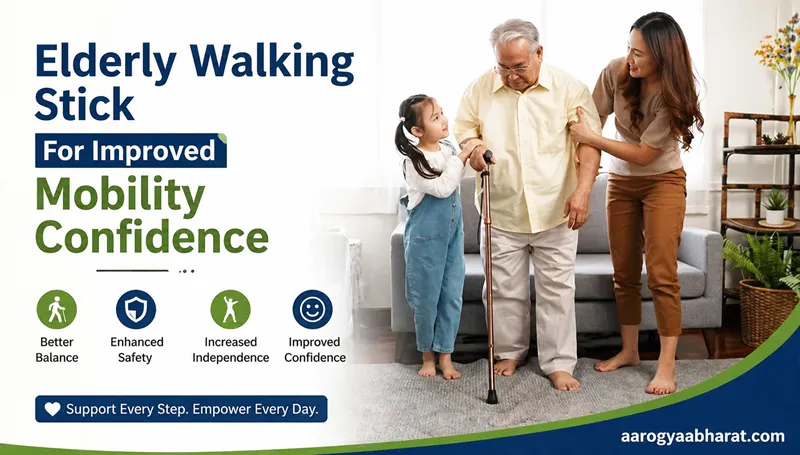
Walking confidence is an essential aspect of elderly
mobility that directly impacts independence, safety, and emotional well-being.
As age increases, natural changes such as reduced muscle strength, slower
reflexes, and balance instability can make walking difficult and uncertain. A
walking stick for elderly walking confidence provides the necessary support to
overcome these challenges by offering stability during movement. It helps
seniors feel secure while walking indoors or outdoors. In modern healthcare
systems, walking sticks are widely recommended as the first level of mobility
assistance. They are commonly used in home care, hospital discharge plans, and
rehabilitation programs. These devices not only improve physical stability but
also restore confidence in daily movement. With proper support, elderly
individuals can continue their routine activities safely and independently.
Design Structure and Ergonomic Comfort Features
Walking sticks are designed with a focus on simplicity,
comfort, and effective support. The structure typically includes a lightweight
yet strong shaft made from aluminium, wood, or reinforced materials. Ergonomic
handles are designed to fit comfortably in the hand, reducing pressure on
wrists and palms. Anti-slip rubber tips at the base ensure stability on various
surfaces such as tiles, concrete, and indoor flooring. Height-adjustable models
allow customization based on user posture and comfort needs. Some advanced
designs include foldable features for easy storage and portability. The overall
engineering focuses on maintaining balance while reducing strain during
walking. These design elements make walking sticks highly practical for
everyday elderly use.
Importance of Walking Confidence in Elderly Independence
Maintaining walking confidence is crucial for elderly
individuals to lead an independent and active lifestyle. A walking stick plays
a significant role in restoring this confidence by providing reliable support
during movement. It helps reduce fear of falling, which is a common issue among
seniors with balance problems. Increased confidence encourages elderly
individuals to walk more frequently and engage in daily activities. This
improves physical health, including muscle strength and joint flexibility. It
also has a positive impact on mental well-being by reducing anxiety related to
mobility. In rehabilitation settings, walking confidence is a key recovery
goal. Walking sticks help patients regain trust in their physical abilities
gradually and safely.
Comparison of Mobility Support Devices for Elderly Users
|
Device
Type |
Stability
Level |
Mobility
Support |
Ease of
Use |
Ideal Use |
|
Walking Stick |
Low to Medium |
Basic support |
Very Easy |
Light balance
assistance |
|
Standard
Walker |
Very High |
High support |
Moderate |
Clinical
recovery |
|
Wheeled
Walker |
High |
Moderate
support |
Easy |
Indoor
mobility |
|
Rollator
Walker |
Medium |
High support |
Very Easy |
Active
lifestyle |
Walking sticks are best suited for individuals who need
minimal support while walking. They are often recommended as the first step in
mobility assistance before progressing to more supportive devices if needed.
They provide flexibility and ease of use in everyday situations.
Safety Features for Improved Walking Stability
Modern walking sticks include several safety features
designed to improve stability and reduce fall risks. Anti-slip rubber tips
ensure strong grip on different floor surfaces. Ergonomic handles reduce strain
on hands and improve control during movement. Lightweight construction allows
easy handling without compromising support. Height-adjustable settings ensure
correct posture alignment. Some models include quad-base support for enhanced
stability. Foldable designs offer convenience for storage and travel. These
features are developed based on elderly safety requirements in healthcare
environments. They help ensure secure and confident walking experiences.
Role in Rehabilitation and Recovery Programs
Walking sticks are widely used in rehabilitation programs
for elderly patients recovering from injuries, surgeries, or mobility-related
conditions. Physiotherapists often recommend them as part of early-stage
mobility recovery. They help patients transition from assisted walking to
independent movement. Controlled use of walking sticks improves balance and
coordination over time. In post-surgery recovery cases, they reduce pressure on
healing joints. They are also used in neurological rehabilitation to improve
walking patterns. Rehabilitation programs focus on gradually increasing walking
confidence. Walking sticks provide safe and effective support during this
recovery journey.
Home Care and Daily Elderly Support
In home care environments, walking sticks are essential for
supporting elderly individuals in daily activities. They help users move safely
between rooms, use stairs with caution, and perform routine tasks
independently. Caregivers often recommend walking sticks as a basic mobility
aid for seniors with mild balance issues. They reduce the risk of falls in home
environments where obstacles may exist. In urban homes and apartments, they are
particularly useful due to limited space. Walking sticks are easy to store and
carry, making them highly practical for daily use. They support independence
while ensuring safety in familiar surroundings.
Outdoor Use and Urban Mobility Applications
Walking sticks are also widely used for outdoor mobility,
allowing elderly individuals to walk safely in parks, streets, and public
spaces. They provide support on uneven surfaces and help maintain balance
during longer walks. Urban healthcare systems encourage active aging, where
elderly individuals are motivated to stay mobile and socially engaged. Walking
sticks make outdoor mobility safer and more comfortable. They are lightweight
and easy to carry, making them suitable for travel and daily outings. In city
environments, they help seniors maintain independence while participating in
community activities. Their simplicity and effectiveness make them ideal for
everyday mobility support.
Maintenance and Long-Term Care Guidelines
Proper maintenance of walking sticks ensures long-term
safety and usability. Regular cleaning helps maintain hygiene and prevents
material wear. The rubber tip at the base should be inspected frequently and
replaced if worn out. Handles must remain secure to ensure safe grip during
use. Height-adjustable mechanisms should be checked regularly for proper
locking. Storage in dry environments prevents corrosion and damage. Users
should avoid using walking sticks on slippery or uneven surfaces without caution.
Routine inspection ensures continued safety and reliability. Proper maintenance
significantly extends the lifespan of the device.
Key Benefits of Walking Stick for Elderly Walking
Confidence
- Improves
walking balance and stability
- Enhances
elderly confidence in movement
- Reduces
risk of falls and injuries
- Supports
light mobility assistance
- Easy
to use and carry anywhere
- Suitable
for indoor and outdoor use
- Helps
in early-stage rehabilitation
- Promotes
independent living
Conclusion
A Walking Stick for Elderly Walking Confidence is a simple yet highly effective mobility aid that plays a vital role in improving balance, safety, and independence for senior individuals. It supports daily movement, reduces fear of falling, and enhances overall quality of life. With its lightweight design, ergonomic features, and reliable stability support, it is widely used in home care, rehabilitation, and outdoor environments. Walking sticks are often the first step in mobility assistance and remain an essential tool in elderly care. Choosing the right walking stick ensures improved confidence, safer movement, and greater independence in daily life.