Understanding Mobility Challenges in Elderly Individuals
As people age, mobility challenges often arise due to joint
degeneration, muscle weakness, neurological conditions, or recovery after
surgeries. Activities that were once simple such as walking across a room or
visiting a nearby store can become physically demanding and risky. Loss of
balance is one of the primary causes of falls among elderly individuals, and
such falls can result in fractures, hospitalization, or long-term mobility
limitations. Doctors and physiotherapists listed on Aarogyaa Bharat hospital
pages frequently recommend mobility aids such as walkers to reduce fall
risks and provide stability during movement. These devices allow seniors to
walk with greater confidence by distributing body weight and improving balance
control. Choosing the correct type of walker depends on the user’s strength,
walking ability, and the environment where the device will be used.
What Is a Foldable Walker and How It Works
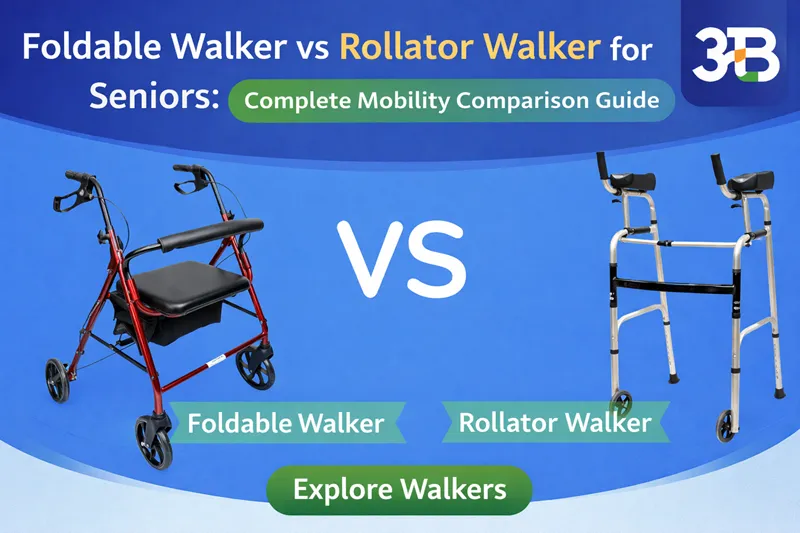
A foldable walker is a lightweight mobility aid designed to
provide maximum stability while remaining compact and portable. These walkers
typically have four legs with rubber tips that grip the floor securely,
preventing slips during movement. Users move forward by lifting the walker
slightly and placing it ahead before stepping forward. Foldable walkers are
particularly beneficial for indoor mobility where stability is more important
than speed. They are commonly recommended for elderly individuals recovering
from surgery or those who require strong support during physiotherapy. Many
physiotherapy programs featured on Aarogyaa Bharat hospital pages
incorporate foldable walkers as part of rehabilitation training because they
provide excellent balance control. Their foldable design also makes them
convenient for storage and transportation, allowing seniors to carry them when
visiting hospitals or clinics.
What Is a Rollator Walker and How It Works
Rollator walkers are advanced mobility aids equipped with
four wheels, ergonomic handles, and braking systems that allow smooth forward
movement. Unlike traditional walkers that require lifting, rollators glide
naturally on wheels, making them ideal for outdoor walking and longer
distances. Most rollators also include a storage basket and sometimes a
built-in seat that allows seniors to rest during walks. These features make
rollators highly suitable for activities such as shopping, visiting parks, or attending
hospital appointments. Healthcare professionals listed on Aarogyaa Bharat
city pages frequently recommend rollators for elderly individuals who
maintain moderate mobility but require additional balance support during
outdoor walking. Rollator walkers encourage active lifestyles by allowing
seniors to walk comfortably while maintaining stability.
Key Differences Between Foldable Walkers and Rollator
Walkers
|
Feature |
Foldable
Walker |
Rollator
Walker |
|
Wheel Design |
No wheels or
limited wheels |
Four wheels |
|
Stability
Level |
Very high |
Moderate |
|
Indoor Use |
Excellent |
Good |
|
Outdoor Use |
Limited |
Excellent |
|
Speed of
Movement |
Slower |
Faster |
|
Storage
Basket |
Usually not
available |
Usually
included |
|
Seat Option |
Not available |
Often
included |
This comparison clearly shows that foldable walkers are
better suited for stability-focused indoor mobility, while rollator walkers are
designed for smoother outdoor walking experiences.
When to Choose a Foldable Walker
Foldable walkers are often recommended for elderly
individuals who require strong balance support or who are recovering from
medical procedures that temporarily reduce mobility. These walkers are
particularly beneficial for indoor environments such as homes, hospital
corridors, and rehabilitation centers. Because foldable walkers have four
stable legs instead of wheels, they provide better grip and reduce the risk of
accidental slips on smooth floors. Physiotherapists frequently prescribe
foldable walkers during early recovery stages after knee replacement surgery or
hip surgery. Patients listed on Aarogyaa Bharat hospital pages often use
foldable walkers during physiotherapy sessions to regain walking strength
gradually. These walkers are also useful for seniors who feel unsafe using
wheeled mobility aids and prefer slower, controlled movement.
When to Choose a Rollator Walker
Rollator walkers are more suitable for elderly individuals
who remain relatively active but require additional support during outdoor
mobility. The wheels allow smoother movement across pavements, shopping malls,
parks, and hospital campuses. Because rollators require less lifting effort,
they reduce fatigue during longer walks. Many seniors prefer rollators for
activities such as grocery shopping, visiting friends, or attending community
events. Orthopaedic specialists featured on Aarogyaa Bharat city pages
frequently recommend rollators for seniors who want to maintain an active
lifestyle while ensuring safety during movement. The presence of brakes also
provides additional control, allowing seniors to stop safely when needed.
Benefits of Using Mobility Walkers for Seniors
• Improves balance and stability during walking
• Reduces pressure on knees, hips, and joints
• Encourages daily physical activity for seniors
• Supports physiotherapy and rehabilitation programs
• Prevents accidental falls and injuries
• Enhances independence in everyday activities
• Provides confidence during indoor and outdoor mobility
These benefits highlight why walkers remain one of the most
recommended mobility aids for elderly individuals worldwide.
How Healthcare Calculators Help Track Mobility Recovery
Recovery from injuries or surgeries often requires careful
monitoring of mobility progress. Aarogyaa Bharat healthcare calculators
help families estimate rehabilitation timelines, physiotherapy sessions, and
mobility improvement milestones. When seniors use walkers during
rehabilitation, these calculators can help track improvements in walking
distance, endurance, and recovery speed. For example, knee replacement recovery
calculators estimate the transition period from walker-assisted walking to
independent mobility. By combining mobility aids with structured physiotherapy
programs and healthcare calculators, seniors can follow a safer and more
organized recovery journey.
Choosing the Right Walker Based on Lifestyle
Selecting the correct walker depends on the individual’s
daily lifestyle and mobility requirements. Seniors who spend most of their time
indoors and require maximum stability may benefit more from foldable walkers.
On the other hand, individuals who frequently go outdoors, travel to hospitals,
or enjoy daily walks may find rollator walkers more convenient. Experts listed
on Aarogyaa Bharat city pages recommend consulting physiotherapists or orthopaedic
specialists before selecting a mobility aid. Medical professionals can evaluate
the user’s balance strength, muscle condition, and walking pattern before
recommending the most appropriate walker type.
Where to Buy Reliable Walkers in India
Purchasing walkers from trusted medical equipment providers
ensures that seniors receive devices that meet clinical safety standards.
Hospital-grade walkers are designed with durable materials and ergonomic
features that support long-term use. Aarogyaa Bharat provides medically
recommended foldable walkers and rollator walkers designed for elderly safety,
physiotherapy recovery, and independent mobility. With availability across
multiple city pages including Pune, Mumbai, Delhi, Bangalore, and Hyderabad,
Aarogyaa Bharat helps families across India access reliable mobility solutions
for elderly care.
Conclusion
Mobility walkers play a crucial role in improving safety, independence, and quality of life for elderly individuals. Both foldable walkers and rollator walkers provide valuable support, but they serve different purposes depending on the user’s mobility needs. Foldable walkers are ideal for indoor stability and rehabilitation support, while rollator walkers offer smoother movement and convenience for outdoor walking and shopping. Understanding the differences between these devices helps families make informed decisions when selecting mobility aids for elderly care. With guidance from healthcare professionals, hospital resources, and recovery tracking tools available through Aarogyaa Bharat, seniors can choose the walker that best supports their mobility needs and long-term health.