Breathing difficulties are among the most dangerous health
issues for elderly individuals living alone because oxygen deprivation can
escalate silently and rapidly. Unlike younger individuals, seniors may not
recognize early warning signs of hypoxia such as fatigue, confusion, dizziness,
or subtle breathlessness. By the time severe symptoms appear, the situation may
already be critical. This is why oxygen concentrators have become life-saving
companions for seniors who require supplemental oxygen at home.
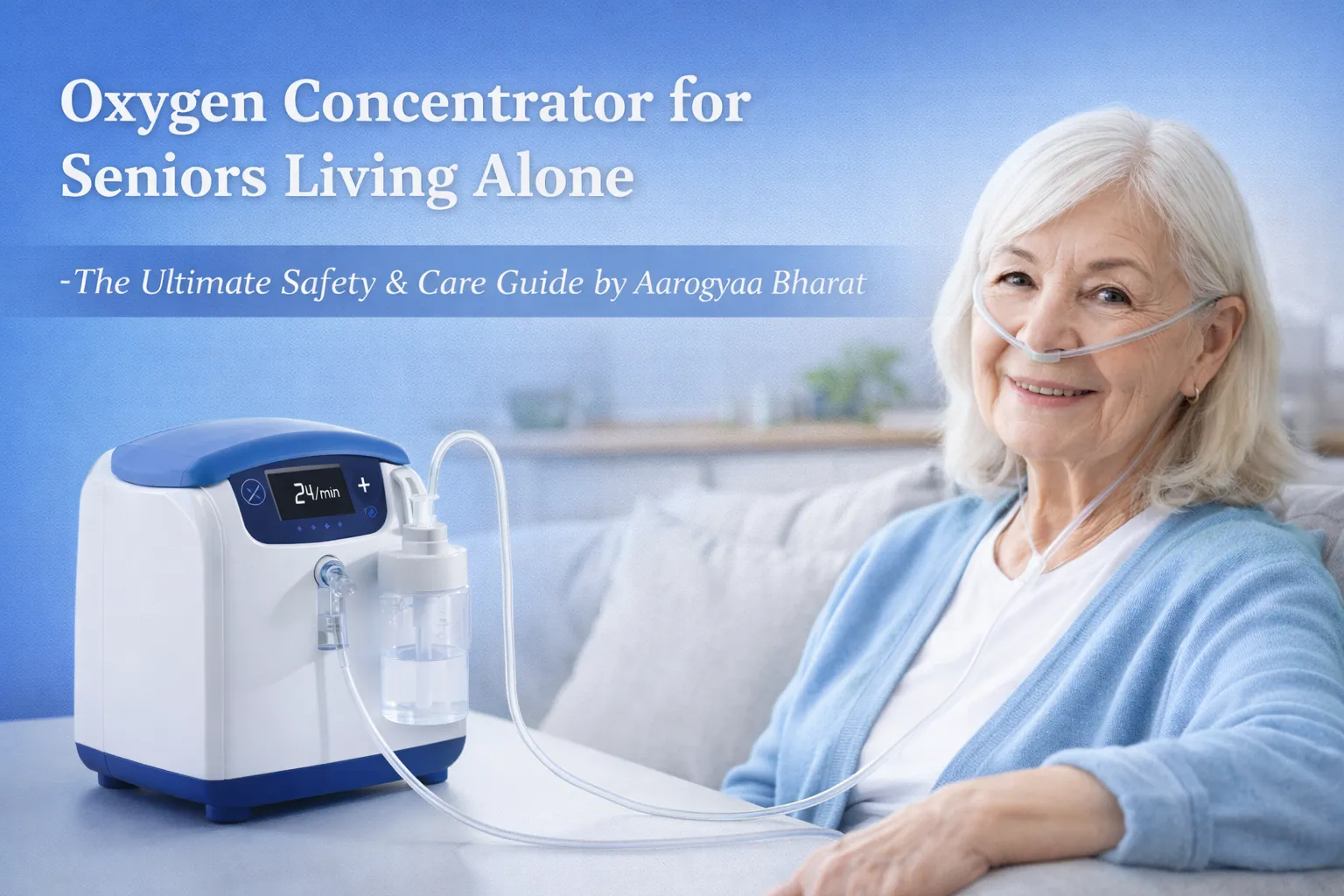
An oxygen concentrator is a medical device that extracts
oxygen from the surrounding air and delivers purified oxygen continuously to a
patient through a nasal cannula or mask. Unlike oxygen cylinders, concentrators
do not require refilling and provide an unlimited oxygen supply as long as
power is available. For seniors living alone, this independence from refills,
deliveries, and physical handling makes oxygen concentrators one of the safest
and most reliable solutions for long-term oxygen therapy.
At Aarogyaa Bharat, we work closely with elderly patients
and their families to create safe home oxygen setups tailored to seniors who
live independently. This comprehensive guide explains everything you need to
know about using an oxygen concentrator for seniors living alone, including why
it is essential, how it works, what features matter most, safety protocols,
emergency preparedness, maintenance routines, and how to choose the right model
for long-term peace of mind.
Why Seniors Living Alone Need Oxygen Concentrators
As people age, lung capacity naturally declines due to
reduced elasticity in lung tissue, weakened respiratory muscles, and slower
oxygen exchange efficiency. This decline becomes even more pronounced in
seniors suffering from chronic lung conditions such as COPD, asthma,
bronchiectasis, pulmonary fibrosis, or post-COVID complications. For these
individuals, even minor respiratory infections or environmental changes can
trigger sudden oxygen drops that place their lives at risk.
Seniors living alone face an added layer of danger because
there is no immediate caregiver to observe warning signs or respond to
emergencies. A senior experiencing hypoxia may become confused, disoriented, or
too weak to call for help. In many real-world cases, elderly patients
underestimate their symptoms or delay medical attention, leading to severe
complications such as heart strain, organ damage, or loss of consciousness.
Oxygen concentrators provide a consistent and controlled
oxygen supply that stabilizes blood oxygen levels and prevents sudden
respiratory deterioration. For seniors living independently, this continuous
availability of oxygen is far safer than relying on oxygen cylinders that can
run out unexpectedly or require physical strength to change.
Another critical advantage is psychological reassurance.
Knowing that oxygen support is always available significantly reduces anxiety
for seniors, improves sleep quality, and increases overall confidence in
managing daily activities such as bathing, walking, eating, and light exercise.
How Oxygen Concentrators Work in a Home Environment
An oxygen concentrator works by pulling in room air,
filtering out nitrogen and other gases, and delivering concentrated oxygen typically
between 90% and 96% purity to the user. This purified oxygen is delivered
through a nasal cannula or mask at a flow rate prescribed by a doctor, usually
ranging from 1 to 5 Liters per minute for most home users.
Modern concentrators use advanced molecular sieve technology
to separate oxygen molecules from other atmospheric gases. This process happens
continuously, ensuring an uninterrupted oxygen supply as long as the device is
powered. Unlike cylinders, which store finite oxygen under high pressure,
concentrators generate oxygen on demand, eliminating the risk of sudden oxygen
depletion.
For seniors living alone, the simplicity of operation is a
major advantage. Most concentrators have user-friendly controls, clear digital
displays, and audible alarms that alert users if oxygen purity drops, power
fails, or tubing becomes disconnected. These built-in safety features are
especially valuable for elderly individuals who may have limited technical
skills or memory issues.
Portable oxygen concentrators further enhance independence
by allowing seniors to move freely within their homes or even step outside for
short walks without interrupting therapy. This mobility support is crucial for
maintaining physical activity, mental well-being, and social engagement among
elderly users.
Medical Conditions That Commonly Require Oxygen Therapy
in Seniors
Chronic Obstructive Pulmonary Disease (COPD) is the most
common reason seniors require long-term oxygen therapy. This progressive lung
condition restricts airflow and reduces oxygen absorption, causing persistent
breathlessness, fatigue, and chest tightness. Oxygen concentrators help
maintain stable oxygen levels and prevent COPD exacerbations that often lead to
hospitalization.
Post-COVID lung damage has emerged as a major concern among
elderly individuals. Many seniors experience long-term breathlessness, lung
fibrosis, and reduced oxygen saturation even months after recovering from
COVID-19. Oxygen concentrators support gradual lung healing and reduce strain
on the heart and other organs during recovery.
Heart failure is another condition that frequently requires
supplemental oxygen in seniors. When the heart cannot pump blood efficiently,
oxygen delivery to tissues declines, causing fatigue and breathlessness. Oxygen
therapy improves tissue oxygenation and reduces cardiac stress in such
patients.
Pulmonary fibrosis, bronchiectasis, severe asthma,
interstitial lung disease, and pneumonia recovery are other conditions where
oxygen concentrators play a vital role in stabilizing breathing and improving
quality of life for elderly individuals living alone.
Key Benefits of Oxygen Concentrators for Seniors Living
Alone
One of the biggest benefits of oxygen concentrators is
uninterrupted oxygen supply. Unlike cylinders that require refilling,
concentrators generate oxygen continuously, ensuring that seniors never run out
of life-supporting oxygen unexpectedly.
Another major advantage is ease of use. Most modern
concentrators feature simple controls, automatic flow regulation, and minimal
setup requirements. This makes them ideal for elderly users who may struggle
with complex equipment.
Oxygen concentrators also improve safety significantly. They
eliminate risks associated with high-pressure gas storage, reduce fire hazards,
and minimize physical strain from handling heavy cylinders. For seniors with
limited strength and mobility, this safety improvement is critical.
Perhaps the most important benefit is independence. Seniors
living alone can manage their oxygen therapy without relying on frequent
external support, improving self-confidence, dignity, and emotional well-being.
Types of Oxygen Concentrators Suitable for Seniors
There are two main types of oxygen concentrators used in
home care: stationary concentrators and portable concentrators. Each type
serves a specific purpose and may be used alone or in combination depending on
the senior’s lifestyle and oxygen needs.
Stationary oxygen concentrators are designed for continuous
home use. They offer higher oxygen flow rates, stable performance, and
long-term durability. These models are ideal for seniors who spend most of
their time at home and require oxygen therapy for several hours a day or even
24/7.
Portable oxygen concentrators are compact, lightweight, and
battery-powered. They allow seniors to move freely within their homes, attend
doctor visits, or go for short outdoor walks without interrupting oxygen
therapy. While portable models usually provide lower flow rates, they are
invaluable for maintaining mobility and independence.
For seniors living alone, a combination of a stationary
concentrator for home use and a portable concentrator for mobility offers the
most comprehensive oxygen therapy solution.
Essential Features to Look for in an Oxygen Concentrator
for Seniors
When selecting an oxygen concentrator for a senior living
alone, safety and ease of use should be top priorities. One of the most
important features is an audible alarm system that alerts users if power fails,
oxygen purity drops, or tubing becomes disconnected.
Another critical feature is a clear digital display that
shows oxygen flow rate, purity level, and operational status. This allows
seniors and caregivers to monitor device performance easily without technical
expertise.
Noise level is also an important consideration. Loud
machines can disturb sleep and increase anxiety. Quiet concentrators create a
calmer healing environment and improve therapy compliance.
Battery backup or inverter compatibility is essential in
areas with frequent power cuts. Seniors living alone must have uninterrupted
oxygen access even during electricity failures.
Safety Guidelines for Seniors Using Oxygen Concentrators
Alone
Always place the oxygen concentrator in a well-ventilated
area away from heat sources, gas stoves, and direct sunlight. Proper airflow is
essential for device efficiency and fire safety.
Never allow smoking, candles, incense, or open flames near
the oxygen setup. Oxygen-enriched environments significantly increase fire
risk.
Ensure that tubing is neatly arranged and secured to prevent
tripping hazards, especially in bedrooms and bathrooms where falls are common.
Seniors should be trained to recognize device alarms and
know how to respond in case of power failure or equipment malfunction.
Emergency Preparedness for Seniors Living Alone
Every senior using an oxygen concentrator should have a
backup oxygen cylinder in case of prolonged power outages or device failure.
This ensures uninterrupted therapy during emergencies.
Emergency contact numbers should be displayed prominently
near the oxygen setup. Seniors should also have a mobile phone or emergency
alert device within easy reach at all times.
Family members or neighbours should be informed about the
oxygen therapy setup and trained to assist in basic troubleshooting or
emergency situations.
Installing a power inverter or UPS system adds an extra
layer of safety for seniors living in areas with unreliable electricity.
Daily, Weekly, and Long-Term Maintenance Routine
Daily maintenance includes wiping the concentrator exterior,
checking tubing connections, and ensuring filters are clean.
Weekly maintenance involves cleaning or replacing air intake
filters according to manufacturer guidelines to maintain oxygen purity.
Monthly inspection should focus on checking alarm
functionality, power cords, and tubing for wear and tear.
Annual servicing by a professional technician ensures
optimal performance, safety compliance, and long-term reliability.
Oxygen Concentrator Comparison Table for Seniors
|
Feature |
Stationary
Concentrator |
Portable
Concentrator |
|
Oxygen Flow
Rate |
High (1-10
LPM) |
Low-Medium (1-5
LPM) |
|
Mobility |
Low |
High |
|
Noise Level |
Low-Moderate |
Very Low |
|
Battery
Support |
No |
Yes |
|
Best Use Case |
Home 24/7
Therapy |
Outdoor
Mobility |
|
Cost |
Moderate |
High |
Conclusion
For seniors living alone, an oxygen concentrator is not just
a medical device it is a life-support system that provides safety,
independence, and peace of mind. From stabilizing chronic lung conditions to
preventing sudden hypoxia emergencies, oxygen concentrators empower elderly
individuals to manage their respiratory health confidently at home.
Choosing the right model, following strict safety
guidelines, maintaining emergency preparedness, and performing regular
maintenance are essential for maximizing the benefits of oxygen therapy. With
the right setup, seniors can enjoy improved breathing, better sleep, reduced
hospital visits, and a significantly enhanced quality of life.
At Aarogyaa Bharat, we specialize in providing high-quality
oxygen concentrators, backup solutions, and expert guidance tailored to seniors
living independently. Our mission is to ensure that every elderly individual
receives safe, reliable, and dignified respiratory care at home.
If you or your loved one needs help choosing the right
oxygen concentrator for independent living, Aarogyaa Bharat is always here to
support your journey toward better breathing and safer aging.