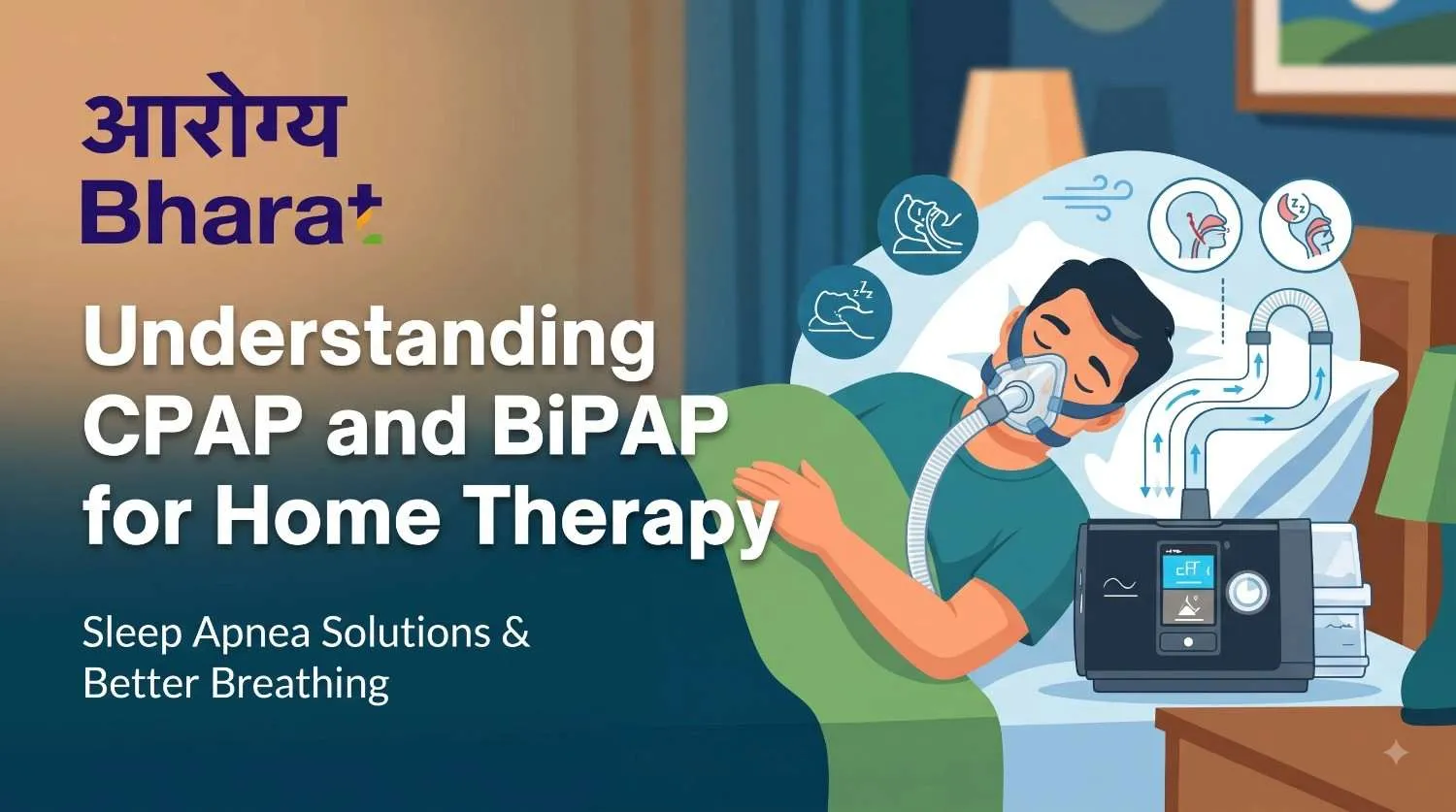
Breathing difficulties and sleep-related breathing disorders
can affect sleep quality, energy levels, and overall daily life. CPAP and BiPAP
machines are non-invasive respiratory support devices that can help certain
patients maintain more effective breathing during sleep or rest when prescribed
by a healthcare professional. Although both devices use positive airway
pressure, they are designed to work differently. CPAP generally provides a
continuous level of pressure, while BiPAP can provide different pressure levels
during inhalation and exhalation. The appropriate device depends on the
patient's diagnosis, breathing pattern, prescribed pressure requirements, and
overall health condition. Understanding the difference between CPAP and BiPAP
can help patients and caregivers use their prescribed equipment correctly.
However, these devices should not be selected or adjusted based only on
symptoms or online information. A doctor or qualified sleep and respiratory
professional should determine the appropriate therapy.
Medical Disclaimer: CPAP and BiPAP therapy should
only be started, stopped, or adjusted according to professional medical advice.
Do not change pressure settings without guidance from your healthcare provider.
What Is CPAP?
CPAP stands for Continuous Positive Airway Pressure. A CPAP
machine delivers a continuous stream of pressurized air through a mask while
the patient sleeps. This positive pressure can help keep the upper airway open
in people with conditions such as obstructive sleep apnea when CPAP has been
prescribed. The machine usually consists of a motorized device, tubing, mask,
and related accessories. Some models may include humidification features to
improve comfort. CPAP therapy works when the patient consistently uses the
prescribed equipment and the pressure settings are appropriate for their needs.
Patients should use the device exactly as instructed by their healthcare
provider. If the mask causes discomfort, excessive air leakage, or skin
irritation, the patient should discuss these problems with their care team
rather than changing pressure settings independently.
What Is BiPAP?
BiPAP, also called bilevel positive airway pressure,
provides two different levels of positive airway pressure. The pressure during
inhalation can be higher than the pressure provided during exhalation. This
difference may make breathing more comfortable for some patients who have
specific respiratory or sleep-related conditions requiring bilevel support.
BiPAP may be prescribed in situations where CPAP is not appropriate or where
additional ventilatory support is needed, depending on the patient's condition.
Unlike choosing an ordinary household appliance, selecting a BiPAP device
requires clinical consideration. The prescribed settings may include more than
simply adjusting the pressure level. Patients should therefore use BiPAP only
under appropriate medical supervision and should not change the prescribed
settings without professional instruction.
CPAP vs BiPAP: What Is the Difference?
The main difference between CPAP and BiPAP is how pressure
is delivered during breathing. CPAP generally provides one continuous positive
airway pressure throughout the breathing cycle, while BiPAP provides separate
inspiratory and expiratory pressure levels. This difference can make BiPAP
appropriate for certain patients who need more specialized respiratory support.
CPAP is commonly associated with obstructive sleep apnea treatment, while BiPAP
may be prescribed for a wider range of respiratory or sleep-related situations
depending on clinical assessment. Neither machine should automatically be
considered better than the other. The appropriate device depends on the
patient's diagnosis, breathing requirements, prescribed settings, and response
to therapy. A sleep specialist, pulmonologist, or other qualified professional
can determine which form of positive airway pressure therapy is appropriate.
|
Feature |
CPAP |
BiPAP |
|
Full Form |
Continuous
Positive Airway Pressure |
Bilevel
Positive Airway Pressure |
|
Pressure |
Generally,
one continuous pressure |
Separate
inhalation and exhalation pressures |
|
Common Use |
Obstructive
sleep apnea |
Selected
sleep and respiratory conditions |
|
Breathing
Support |
Primarily
maintains airway pressure |
Can provide
differentiated pressure support |
|
Pressure
During Exhalation |
Same
prescribed continuous level |
Usually lower
than inhalation pressure |
|
Prescription |
Requires
appropriate clinical assessment |
Requires
appropriate clinical assessment |
|
Suitable For |
Patients
prescribed CPAP therapy |
Patients
prescribed bilevel therapy |
Who May Need CPAP Therapy?
CPAP is commonly prescribed for people diagnosed with
obstructive sleep apnea, a condition in which the upper airway repeatedly
becomes blocked or narrowed during sleep. Symptoms may include loud snoring,
witnessed pauses in breathing, nighttime gasping, morning headaches, or
excessive daytime sleepiness, although symptoms vary between individuals. A
sleep study or other clinical assessment may be used to determine whether CPAP
is appropriate. Patients should not begin CPAP simply because they snore or
feel tired during the day. If sleep apnea is suspected, a healthcare
professional can recommend appropriate testing. Once CPAP is prescribed,
consistent use and proper mask fitting are important for effective therapy.
Who May Need BiPAP Therapy?
BiPAP may be prescribed for patients who require different
pressure levels during inhalation and exhalation or who have specific
respiratory or sleep-related conditions. The exact indication varies according
to the patient's diagnosis and clinical situation. Some patients may require
bilevel therapy when standard CPAP therapy is not suitable or when additional
breathing support is needed. BiPAP can involve more complex settings than a
basic CPAP device, so professional assessment is especially important. Patients
should never switch from CPAP to BiPAP simply because they believe BiPAP is
more powerful or comfortable. The choice should be based on medical need and
the treatment plan prescribed by the healthcare team.
Benefits of CPAP Therapy at Home
For patients who have been appropriately prescribed CPAP,
regular home use can help manage obstructive sleep apnea by maintaining
positive airway pressure during sleep. Effective treatment may help reduce
nighttime breathing interruptions and improve sleep quality. Some patients may
experience less daytime sleepiness when therapy is effective and consistently
used. CPAP can also provide patients with a structured treatment option that
can be incorporated into their nightly routine. However, the benefits depend on
correct diagnosis, appropriate pressure settings, suitable mask fit, and
regular use. Patients should communicate with their healthcare provider if they
continue to experience significant symptoms despite using CPAP. The machine
should be viewed as part of a complete treatment plan rather than a standalone
solution for every sleep problem.
Benefits of BiPAP Therapy at Home
BiPAP can provide different pressure levels for inhalation
and exhalation, which may be helpful for patients whose prescribed therapy
requires bilevel support. For some individuals, the lower expiratory pressure
may make breathing against the machine more comfortable than a single higher
continuous pressure. Depending on the patient's condition, BiPAP may also
provide a greater level of breathing support than standard CPAP. The benefits
are highly dependent on the underlying diagnosis and prescribed settings.
Patients should not assume that BiPAP is automatically more effective than
CPAP. Proper assessment, device selection, mask fitting, monitoring, and
follow-up are essential. If therapy feels difficult or symptoms change, the
patient should contact their healthcare professional.
Choosing the Right CPAP or BiPAP Machine
Choosing a positive airway pressure device should begin with
the patient's prescription and clinical requirements. Important considerations
may include the prescribed therapy mode, pressure range, device features,
humidification, data recording, portability, noise level, mask compatibility,
and availability of service support. Patients should also consider whether they
need a device primarily for nighttime use at home or for travel. Customers
exploring CPAP and BiPAP Machines should compare features only after
confirming which type of therapy has been prescribed. Buying a machine with
advanced features does not make it appropriate for every patient. The device
must be compatible with the treatment plan and should be used according to
manufacturer and healthcare-provider instructions.
Selecting the Right Mask
The mask is one of the most important components of CPAP or
BiPAP therapy because it creates the connection between the machine and the
patient's airway. Common designs include nasal masks, nasal pillow systems, and
full-face masks. The appropriate option depends on factors such as breathing
pattern, facial structure, comfort, prescribed therapy, and whether the patient
breathes through the mouth during sleep. A mask that is too loose may leak air,
while one that is too tight may cause pressure marks or discomfort. Patients
should work with a qualified provider to achieve an appropriate fit. Customers
exploring Respiratory Care Products should also consider replacement
schedules and compatibility before purchasing additional accessories.
CPAP and BiPAP Humidification
Some patients experience dryness of the nose, mouth, or
throat while using positive airway pressure therapy. A humidifier integrated
with or connected to the device may add moisture to the airflow and can improve
comfort for some users. Humidification requirements vary between individuals
and environmental conditions. Patients should follow the manufacturer's
instructions for filling, cleaning, and maintaining the humidifier chamber.
Distilled or otherwise recommended water may be required depending on the device
instructions and local guidance. Water should never be left standing in the
chamber for extended periods. If excessive condensation develops inside the
tubing or mask, the setup may need adjustment by a qualified professional.
Getting Used to CPAP or BiPAP
Adapting to positive airway pressure therapy can take time,
particularly for people who have never slept with a mask before. Some users
initially experience feelings of claustrophobia, air leakage, dryness, or
difficulty adjusting to the airflow. Wearing the mask for short periods while
awake, if recommended by the healthcare provider, may help a patient become
familiar with the sensation. A comfortable sleeping position and properly
adjusted mask can also improve the experience. Patients should not discontinue
prescribed therapy because of temporary discomfort without discussing the issue
with their healthcare team. Small equipment or mask adjustments may sometimes
resolve common problems.
Common CPAP and BiPAP Problems
Several issues can affect the comfort and effectiveness of
positive airway pressure therapy. Mask leaks may occur when the mask is
incorrectly positioned, incorrectly sized, or worn too tightly or loosely.
Dryness can occur when airflow affects the nose and mouth, while condensation
may develop when humidified air cools inside the tubing. Some users may also
experience skin irritation at pressure points. Patients should first check
whether the equipment is being used according to the manufacturer's instructions.
If problems continue, the healthcare provider or equipment specialist can
evaluate the mask, tubing, humidification, and prescribed therapy. Pressure
settings should not be changed independently to solve comfort problems.
Cleaning CPAP and BiPAP Equipment
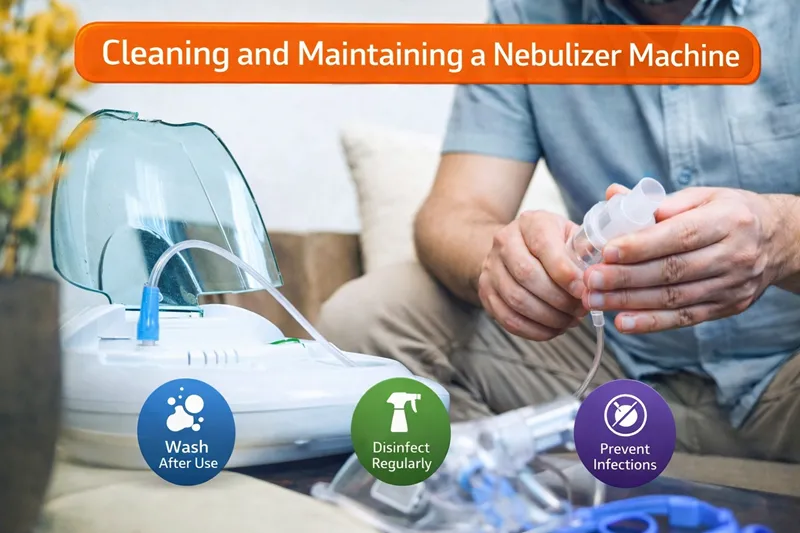
Regular cleaning is important because the mask, tubing,
humidifier chamber, and other components can accumulate moisture, oils, dust,
and other contaminants. Patients should follow the manufacturer's cleaning
instructions for each individual component. The mask and tubing generally
require routine cleaning, while filters and other disposable parts may need
replacement according to the device instructions. The humidifier chamber should
be emptied and cleaned as recommended. Equipment should be allowed to dry
completely before use. Patients should never use harsh chemicals or cleaning
methods that are not approved for their specific device. Proper maintenance can
help protect the equipment and support good hygiene throughout long-term
therapy.
Replacing Masks, Tubing and Filters
CPAP and BiPAP accessories do not last indefinitely. Masks
may become less effective as cushions and seals wear down, while tubing can
develop cracks or become difficult to clean. Filters can also accumulate dust
and may need regular replacement. The exact replacement schedule depends on the
manufacturer, equipment type, usage, and healthcare-provider recommendations.
Patients should inspect their equipment regularly rather than waiting until a
component completely fails. Customers exploring CPAP Accessories should
verify compatibility with their specific machine before purchasing replacement
parts. Using compatible components helps maintain the intended operation of the
equipment.
CPAP and BiPAP for Travel
Many patients use their positive airway pressure device
every night, including while travelling. Portable CPAP machines are available,
and some standard devices may also be designed for easier transport. Before
travelling, patients should check whether they need a power adapter, battery
solution, additional tubing, spare mask components, or replacement filters.
International travel may require consideration of electrical-voltage
compatibility. Patients should keep the machine and essential accessories protected
during transport. If the patient relies on prescribed therapy every night,
travelling without the device may interrupt treatment. Planning ahead can help
reduce avoidable problems during travel.
Power Backup for CPAP and BiPAP
CPAP and BiPAP machines require an electrical power source
unless the specific device is designed to operate with an approved battery
system. Patients who live in areas where power interruptions occur frequently
may want to discuss backup options with their healthcare provider or equipment
supplier. A compatible battery or backup power solution should be selected
according to the machine's electrical requirements. Never connect medical
equipment to an improvised power system. Patients who depend on respiratory
support should have an appropriate emergency plan based on their medical needs.
Home Medical Equipment should always be operated according to
manufacturer instructions and professional recommendations.
CPAP and BiPAP Safety at Home
Safe home therapy begins with using the correct device and
prescribed settings. The machine should be placed on a stable, clean, dry
surface where airflow around the device is not blocked. Tubing should be
positioned so it does not create a tripping hazard or become tightly bent.
Electrical cables should remain away from water and heat sources. Patients
should use only compatible masks, tubing, filters, and accessories. If the
machine produces unusual sounds, displays persistent error messages, or appears
damaged, it should be checked by an authorized service provider. Customers
exploring Home Respiratory Care products should prioritize
compatibility, safety, service support, and professional guidance.
CPAP and BiPAP During Sleep
Patients generally use CPAP or BiPAP while sleeping because
many sleep-related breathing problems occur or become worse during sleep. The
mask should be positioned comfortably before going to bed, and the machine
should be turned on according to the prescribed setup. Patients should avoid
placing the device where bedding can block its air intake. If the mask
repeatedly comes off during sleep, leaks significantly, or causes discomfort,
the problem should be discussed with a healthcare professional. Consistent use
is generally important for prescribed therapy, but the exact treatment schedule
depends on the patient's clinical plan. Patients should not make changes to
prescribed usage without professional guidance.
CPAP and BiPAP for Elderly Patients
Older adults may benefit from positive airway pressure
therapy when it has been prescribed for an appropriate condition, but they may
require additional assistance with mask fitting, cleaning, machine operation,
and troubleshooting. Reduced hand strength, vision difficulties, memory
problems, or mobility limitations can make equipment management more
challenging. Caregivers may help establish a consistent routine and ensure that
the device is cleaned properly. However, caregivers should not change pressure settings
unless specifically instructed by the patient's healthcare provider. Families
exploring Elderly Care Products can consider equipment that supports the
patient's overall home-care routine while keeping the respiratory treatment
plan under professional supervision.
When to Contact a Healthcare Professional
Patients should contact their healthcare provider if they
continue to experience significant daytime sleepiness, persistent breathing
problems, repeated mask problems, severe discomfort, or difficulty using the
prescribed therapy. New or worsening symptoms should not automatically be
attributed to the machine. If the patient experiences severe breathing
difficulty, chest pain, fainting, confusion, blue or gray lips, or another
emergency symptom, immediate medical attention is required. Patients should also
seek professional assistance if they believe their device is malfunctioning. A
healthcare professional can determine whether the issue relates to mask fit,
equipment settings, treatment effectiveness, or another medical problem.
CPAP and BiPAP Are Not the Same as Oxygen Therapy
CPAP and BiPAP provide positive airway pressure, while
oxygen therapy delivers supplemental oxygen when it has been medically
prescribed. They serve different purposes, although some patients may use
respiratory support and supplemental oxygen together under professional
supervision. Patients should not add oxygen to a CPAP or BiPAP system without
specific medical and equipment guidance. Similarly, oxygen flow should never be
changed independently. Customers exploring Oxygen Concentrators should
understand that oxygen equipment and positive airway pressure devices have
different functions and requirements. The appropriate combination of therapies
depends entirely on the patient's medical condition and prescription.
Role of Healthcare Professionals in Home Therapy
Doctors, sleep specialists, pulmonologists, respiratory
therapists, and other qualified professionals can play important roles in
diagnosing the condition, selecting therapy, establishing settings, checking
treatment response, and addressing problems. Equipment providers can also help with
mask fitting, accessories, cleaning instructions, and device operation.
Patients should attend recommended follow-up appointments and report
difficulties honestly. Data recorded by compatible machines may help healthcare
professionals assess therapy, depending on the device and treatment plan. Home
therapy becomes safer and more effective when patients, caregivers, healthcare
providers, and equipment suppliers work together.
Why Choose Aarogyaa Bharat for Respiratory Care Products?
Aarogyaa Bharat provides healthcare and home-care solutions
for patients, caregivers, elderly individuals, and families managing
respiratory and other healthcare needs. Customers can explore products based on
their prescribed requirements, including respiratory support equipment and
related accessories. When selecting a CPAP or BiPAP device, important
considerations include the prescribed therapy mode, machine compatibility, mask
type, humidification, accessories, maintenance requirements, and service support.
Respiratory Equipment should never be selected only according to price
or machine appearance. Patients should first confirm the appropriate therapy
with a qualified healthcare professional and then select compatible equipment
from a reliable healthcare provider.
Aarogyaa Bharat Hospital Page
Patients who have been diagnosed with a sleep or respiratory
condition should follow the treatment plan provided by their healthcare team.
The Aarogyaa Bharat Hospital Page can be explored for additional
healthcare-related information and resources. However, online information
should be treated as general education and should not replace a clinical
evaluation. CPAP and BiPAP requirements can vary significantly between patients,
even when they have similar symptoms. Patients should discuss diagnosis,
pressure requirements, mask problems, and treatment response with their
healthcare provider.
Aarogyaa Bharat City Pages
Healthcare equipment availability and support can vary
depending on location. Customers can explore the Aarogyaa Bharat City Pages
for location-related healthcare information and available services. Before
purchasing a CPAP, BiPAP, mask, humidifier, or accessory, customers should
confirm product availability, compatibility, delivery options, warranty, and
service support. Local assistance can be particularly helpful when patients
require mask fitting or technical support. Always verify current product
details and availability before making a purchase.
Healthcare Calculator and Respiratory Health
A Healthcare Calculator can be useful for general
health education, but it cannot diagnose sleep apnea or determine whether a
patient needs CPAP or BiPAP therapy. Respiratory treatment decisions require
clinical information that may include medical history, symptoms, examination
findings, sleep studies, oxygen measurements, or other tests. Patients should
not use an online calculation to decide their pressure settings or switch
between devices. If you suspect a sleep-related breathing disorder, speak with
a qualified healthcare professional. Appropriate diagnosis is the first step
toward selecting safe and effective therapy.
Quick CPAP and BiPAP Home Therapy Checklist
- Use
only the device prescribed or recommended by a qualified professional.
- Confirm
whether CPAP or BiPAP has been prescribed.
- Use
the prescribed pressure and therapy mode.
- Select
a properly fitted mask.
- Keep
the mask, tubing, and humidifier clean.
- Replace
filters and accessories according to instructions.
- Keep
the machine on a clean, stable surface.
- Keep
tubing away from walking pathways.
- Keep
electrical components away from water.
- Check
equipment regularly for damage.
- Do not
change pressure settings independently.
- Discuss
persistent mask leaks with a professional.
- Ask
about humidification if dryness becomes a problem.
- Carry
essential accessories when travelling.
- Keep
an appropriate power backup plan when required.
- Attend
recommended follow-up appointments.
Common Mistakes to Avoid
One of the most common mistakes is buying a CPAP or BiPAP
machine without first confirming the required therapy. Another mistake is
changing pressure settings without professional guidance because the patient
feels uncomfortable. Using an incorrectly fitted mask can cause air leaks, skin
irritation, and poor therapy experience. Patients may also neglect cleaning or
delay replacing worn-out accessories. Blocking the machine's air intake or
placing it near water can create equipment problems. Another mistake is
assuming that CPAP and BiPAP are interchangeable. Patients should remember that
positive airway pressure therapy is a medical treatment and should be managed
according to an individualized treatment plan.
Conclusion
CPAP and BiPAP are important forms of non-invasive positive
airway pressure therapy that can support selected patients with sleep-related
and respiratory conditions when appropriately prescribed. CPAP generally
provides continuous pressure, while BiPAP provides separate pressure levels for
inhalation and exhalation, making the two therapies different even though they
use similar basic principles. Successful home therapy depends on correct
diagnosis, appropriate device selection, prescribed settings, proper mask
fitting, regular cleaning, equipment maintenance, and ongoing professional
follow-up. Patients should never change pressure settings or switch between
CPAP and BiPAP without medical guidance. With the right equipment, proper
education, and consistent professional support, home respiratory therapy can
become a manageable part of a patient's healthcare routine.
Medical Disclaimer
This article is provided for general educational purposes only and does not replace professional medical advice, diagnosis, or treatment. CPAP and BiPAP are medical therapies that should be prescribed and managed according to the patient's individual condition. Never change pressure settings, therapy modes, oxygen flow, or other prescribed treatment parameters without professional guidance. If you experience severe breathing difficulty, chest pain, fainting, confusion, blue or gray lips, or another serious medical symptom, seek immediate medical attention.