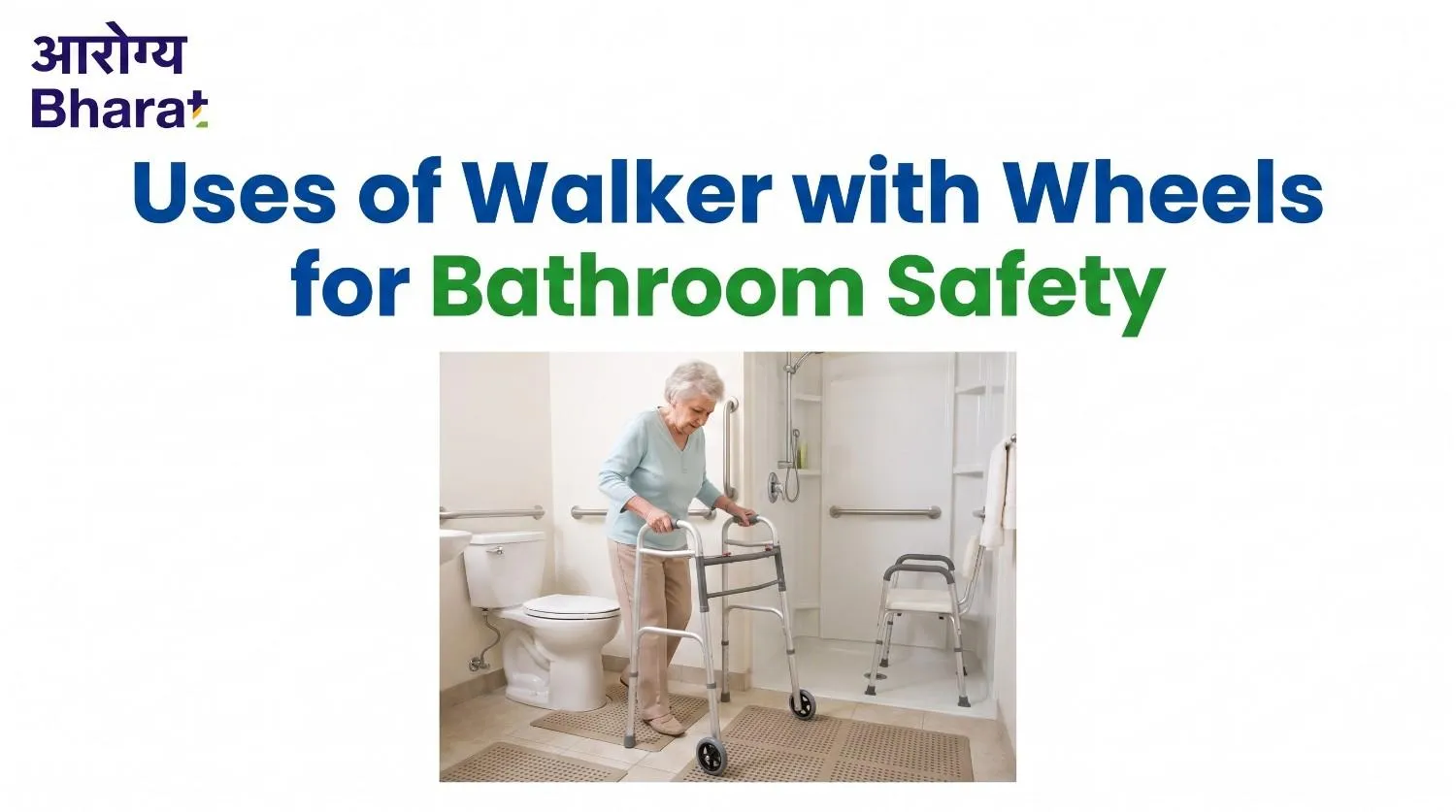
A walker with wheels can help elderly individuals maintain
support while walking toward and inside the bathroom. For seniors with reduced
leg strength, mild balance problems, or temporary mobility limitations, moving
without assistance may feel unstable, particularly when entering a wet or
confined area. A wheeled walker can make forward movement easier because the
user does not need to lift the entire frame after every step. Seniors using Walking
Aids can use the equipment to move slowly and carefully toward the toilet
or sink while maintaining additional support. The walker should remain under
the user's control and should not be pushed too far ahead. Users must also
understand that not every walker is suitable for use on wet bathroom flooring.
The wheels, brakes, frame, and rubber tips should be checked regularly. A
healthcare professional can help determine whether a wheeled design is
appropriate for the user's specific mobility condition.
Why Bathroom Safety Is Important for Elderly Individuals
Bathrooms can create several mobility challenges because
water, smooth flooring, tight spaces, and frequent transitions between sitting
and standing can affect stability. Elderly individuals may be particularly
vulnerable when getting out of bed at night and walking to the bathroom while
tired or less alert. Reduced muscle strength, joint pain, balance difficulties,
and previous falls can make bathroom movement even more challenging. Seniors
using Fall Prevention Products can improve safety by combining mobility
support with environmental modifications. Clear pathways, adequate lighting,
stable grab points, and dry floors can reduce unnecessary hazards. A walker
should provide support without making the bathroom pathway too narrow or
difficult to navigate. Families should also consider whether the walker can
turn safely around the toilet and other fixtures. A healthcare professional can
provide individualized recommendations when a senior has significant mobility
or balance limitations.
Benefits of Using a Walker with Wheels for Bathroom
Mobility
A wheeled walker can provide several practical benefits when
an elderly person needs additional support during bathroom trips. Its frame
creates a broader support structure than walking without an aid, while the
wheels can make forward movement easier for users who are able to control them
safely. This can be helpful when walking from the bedroom to the bathroom or
moving between different areas of a larger bathroom. Seniors using Patient
Care Equipment may benefit from mobility support as part of a broader
home-care routine. A wheeled walker can also provide reassurance for
individuals who are afraid of falling, particularly during nighttime movement.
However, the equipment should be used on suitable surfaces and according to the
manufacturer's instructions. Users should stop before sitting down and apply
brakes when a model is equipped with them. The walker should not be used as a
substitute for properly installed bathroom safety equipment such as grab bars
when those are needed.
Bathroom Activities Made Easier with a Walker
A walker can help seniors manage several routine activities
that require movement around the bathroom. Depending on the person's condition
and bathroom layout, a wheeled walker may provide support while walking to the
toilet, moving toward the sink, or leaving the bathroom after completing
personal care. Seniors using Daily Living Aids can combine the walker
with other products that make everyday tasks easier and safer. Common
bathroom-related activities where mobility support may be useful include:
- Walking
from the bedroom to the bathroom
- Moving
toward the toilet
- Standing
near the sink
- Leaving
the bathroom safely
- Moving
toward a shower entrance
- Turning
within a larger bathroom
- Walking
to a nearby chair
- Completing
basic personal-care routines
- Navigating
nighttime bathroom trips
- Returning
safely to the bedroom
The bathroom should remain free from unnecessary clutter,
and the walker must have enough space to move without striking fixtures or
furniture.
Using a Wheeled Walker Near the Toilet
Moving toward and away from the toilet often requires
careful walking, turning, stopping, and sitting or standing. A walker with
wheels can provide additional support while approaching the toilet, but the
user must position the device correctly before transferring. Seniors should
avoid pulling themselves up from the walker unless the manufacturer's
instructions specifically allow it, because some wheeled walkers are not
designed to support this type of transfer. People using Home Healthcare
Products can also consider appropriately installed toilet-support equipment
when additional assistance is required. The pathway to the toilet should be
wide enough for the walker and free from mats or objects that could interfere
with the wheels. Before sitting, the walker should be positioned securely and
brakes should be engaged where applicable. Standing up also requires careful
positioning and controlled movement. Users with major balance or strength
difficulties may need caregiver assistance or professional instruction during
toilet transfers.
Using a Walker Near the Shower and Bathing Area
Bathrooms become particularly challenging around showers and
baths because water can make flooring slippery and the transition between dry
and wet surfaces may affect balance. A standard wheeled walker may not be
designed to enter a wet shower area, so users should follow the manufacturer's
instructions and avoid exposing equipment to unsuitable conditions. Seniors
using Rehabilitation Equipment should also follow any bathing and
mobility recommendations provided by their healthcare team. A safer setup may
include professionally installed grab bars, a shower chair, or other
appropriate bathroom equipment depending on the user's condition. The walker
can provide support while approaching the shower area, but the user may need a
different form of support once stepping onto a wet surface. Floors should be
kept as dry as possible and water should be cleaned promptly. Users should
never rush when transitioning between dry and wet areas. A professional
assessment can help determine how the walker should be used within the specific
bathroom layout.
Choosing the Right Walker with Wheels for Bathroom Use
Choosing a wheeled walker for bathroom mobility requires
consideration of the user's height, weight, balance, strength, hand control,
and bathroom layout. Two-wheel walkers may provide more controlled movement,
while four-wheel rollators allow easier rolling but require greater ability to
control the wheels and brakes. Seniors exploring Orthopedic Products should
consider whether their existing condition affects their grip strength,
coordination, or ability to stop the walker. The walker should also be narrow
enough to pass through bathroom doors and maneuver around fixtures without
excessive turning. Handle height should be adjustable so the user can maintain
a comfortable and upright posture. Weight capacity, frame strength, wheel
design, braking system, and overall stability are also important. A healthcare
professional or physiotherapist can help determine whether a wheeled walker is
appropriate for the user's level of mobility. The most compact option is not
necessarily the safest option if it does not provide enough support.
Walker with Wheels vs Standard Walker for Bathroom Safety
Both standard and wheeled walkers can provide support, but
they require different methods of use. A standard walker usually needs to be
lifted and repositioned, which can offer strong stability but may require
greater upper-body strength. A wheeled walker allows the frame to roll forward
and may be easier for some users to advance through a hallway or larger
bathroom. Seniors considering Medical Equipment should select the design
that matches their ability to control the device safely. A two-wheel model may
provide a balance between rolling convenience and front support, while
four-wheel rollators may offer greater maneuverability but require stronger braking
control. Bathroom space should also influence the choice because some large
rollators may be difficult to turn in narrow areas. Professional fitting and
instruction can help reduce incorrect use. The walker should never be chosen
only because it is easier to push if the user cannot safely control its
movement.
|
Feature |
Standard Walker |
Walker with Wheels |
|
Wheels |
No |
Two or Four |
|
Stability |
Very High |
High |
|
Forward Movement |
Requires Lifting |
Easier Rolling |
|
Bathroom Maneuverability |
Moderate |
Good |
|
Upper-Body Effort |
Higher |
Generally Lower |
|
Space Requirement |
Moderate |
Depends on Model |
|
Best For |
Higher Stability Needs |
Controlled Mobility Support |
Safety Tips for Using a Walker in the Bathroom
Safe use requires attention to both the walker and the
bathroom environment. The floor should be kept as dry as possible, and loose
rugs or mats that can shift under the wheels should be removed unless they are
specifically designed for secure bathroom use. Seniors using Home Safety
Products can also improve lighting and install suitable support equipment
where recommended. The walker should be checked regularly to ensure that wheels
rotate properly, brakes work correctly where present, and the frame remains
stable. Users should move slowly and avoid sudden turns, particularly when
approaching the toilet or another confined area. Bathroom doors should provide
enough opening space for the walker to pass through without forcing the user to
turn awkwardly. Supportive nonskid footwear can provide better traction outside
wet areas. If the senior experiences dizziness, sudden weakness, severe pain,
or repeated loss of balance, walking should stop and medical advice should be
sought. Proper environmental preparation is just as important as selecting the
right walker.
Common Mistakes to Avoid While Using a Walker in the
Bathroom
Several common mistakes can make bathroom walker use less
safe. One mistake is pushing the walker too far forward and leaning toward it,
which can reduce control and make the user unstable. Another is attempting to
use the wheeled walker on a wet or unsuitable surface when the product is not
designed for it. Seniors using Senior Care Products should follow the
manufacturer's instructions and ensure the equipment matches the intended
environment. Users may also forget to apply brakes before sitting or standing
near a rollator seat, or they may use the walker as a support point during
transfers when it is not designed for that purpose. A narrow bathroom can also
make turning difficult if the walker is too wide. Loose mats, water spills,
poor lighting, and clutter can further increase hazards. Regular checking of
the walker and bathroom environment can help prevent these issues. Professional
guidance is especially useful for seniors who have recently experienced a fall
or significant mobility changes.
Maintaining a Walker with Wheels for Bathroom Use
Regular maintenance becomes especially important when a
walker is used frequently around the bathroom. Moisture, dirt, and frequent
movement can contribute to wear on wheels, rubber tips, brakes, and frame
components. The walker should be checked for cracks, loose bolts, damaged
handles, and unusual wheel movement. Seniors using Healthcare Products as
part of their daily care routine should also include mobility equipment
inspections at regular intervals. Wheels should rotate smoothly, while brake
systems should engage and release correctly according to the manufacturer's
instructions. Rubber tips should be replaced if they become worn or damaged. If
the walker becomes wet, it should be dried appropriately before being stored.
The folding mechanism on foldable models should also be checked to ensure that
it locks securely. Users should never attempt temporary repairs that could
affect structural stability. Proper maintenance can help keep the walker
reliable and reduce avoidable equipment-related problems during bathroom
mobility.
How a Walker Supports Bathroom Independence
A suitable walker can help elderly individuals maintain
greater independence during essential bathroom routines. Being able to walk
from the bedroom to the bathroom and return safely can reduce the need for
constant caregiver assistance. Seniors may feel more confident when they know
they have a stable support device available for routine movement. A suitable Senior
Mobility Products solution can become part of a broader home-care strategy
that includes environmental safety, rehabilitation, and appropriate bathroom
equipment. Independence should still be based on the user's actual physical
abilities. Individuals with severe weakness, significant balance problems, or a
history of repeated falls may require additional supervision or specialized
equipment. The walker should be used consistently and correctly rather than
only when the person feels unsteady. Families can also help by keeping pathways
clear and making frequently used bathroom items easy to reach. With the right
combination of equipment and home preparation, seniors may be able to complete
more daily routines safely.
Why Buy Walker with Wheels from Aarogyaa Bharat?
Aarogyaa Bharat provides healthcare and mobility solutions designed to support elderly individuals, patients, caregivers, and families managing everyday mobility needs. Customers can explore walkers and related healthcare products based on the user's balance, strength, comfort requirements, and professional recommendations. When choosing a walker with wheels for bathroom use, important considerations include frame width, wheel design, handle height, braking system, weight capacity, and overall maneuverability. Customers exploring the Walker Collection can compare suitable mobility options according to their individual requirements and intended environment. Aarogyaa Bharat also offers solutions across mobility, home healthcare, rehabilitation, orthopedic care, and patient-support categories. Families can explore additional products that may help make bathrooms and other areas of the home safer for seniors. Healthcare products are available through Pune Healthcare Store, Mumbai Healthcare Store, Delhi Healthcare Store, Bengaluru Healthcare Store, Chennai Healthcare Store, Hyderabad Healthcare Store, Kolkata Healthcare Store, and Ahmedabad Healthcare Store. Product selection should always be matched to the user's specific mobility condition.
Conclusion
A walker with wheels can provide valuable support for
elderly individuals who experience difficulty walking to and around the
bathroom because of weakness, balance problems, temporary injuries, or
age-related mobility changes. Its rolling design can make forward movement
easier while providing a stable support structure when used correctly. However,
bathroom safety requires more than the walker alone. Dry floors, clear
pathways, adequate lighting, suitable footwear, and properly installed bathroom
support equipment can all contribute to a safer environment. Users should
select a walker that fits their physical abilities and bathroom layout and
should follow professional guidance when mobility difficulties are significant.
With the right equipment, careful technique, and appropriate home preparation,
a walker can help seniors manage essential bathroom routines with greater
confidence and independence.
Medical Disclaimer
This article is intended for educational purposes only and should not replace professional medical advice. Always consult a doctor, physiotherapist, occupational therapist, or other qualified healthcare professional before choosing or using a walker, especially if the elderly person has significant balance problems, weakness, pain, dizziness, or a history of falls.