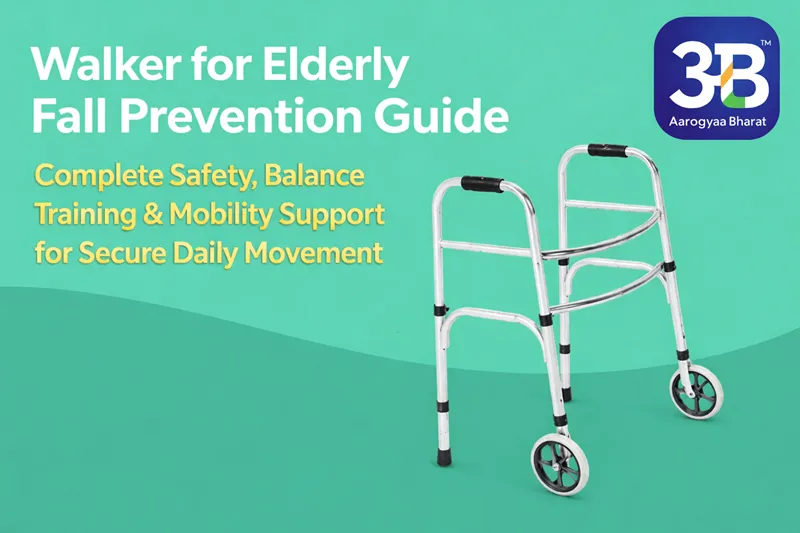
Understanding Why Fall Prevention Is Critical for Elderly
Individuals
Falls are one of the leading causes of injury among seniors,
often resulting in fractures, head injuries, and long recovery periods that
affect independence and confidence. Age-related changes such as weaker muscles,
slower reflexes, reduced vision, and joint stiffness increase the likelihood of
imbalance during walking. Even small obstacles like uneven flooring or poor
lighting can trigger accidental falls. A walker provides multi-point support
that stabilizes movement and allows seniors to walk with controlled steps,
significantly reducing fall risk. Families exploring Aarogyaa Bharat Hospital
Page frequently combine walkers with safety accessories and
rehabilitation tools to build a comprehensive fall prevention strategy within
the home environment
How Walkers Help Reduce Fall Risk in Daily Movement
Walkers are designed to provide stability by distributing
body weight evenly and creating a wider support base compared to walking sticks
or unsupported walking. This design allows seniors to maintain balance while
shifting weight from one leg to another. Walkers also encourage slower and more
controlled movement, preventing sudden missteps that may lead to falls. Many
physiotherapists recommend walkers during recovery from surgery or illness
because they allow seniors to regain confidence while minimizing physical
strain. Families often integrate walkers with Aarogyaa Bharat Rehabilitation
Categories such as balance training tools, physiotherapy accessories, and
strengthening equipment to improve long-term stability.
Common Causes of Falls Among Seniors
Understanding the causes of falls helps families select the
most suitable walker for prevention. Muscle weakness, arthritis, neurological
disorders, postural imbalance, and medications that cause dizziness are common
contributing factors. Environmental hazards such as slippery floors, loose
rugs, and poor lighting also increase fall risk. Seniors who rush during
walking or attempt unsupported movement are particularly vulnerable. Caregivers
frequently explore Aarogyaa Bharat Elderly Care Solutions and Hospital Page
safety equipment to address both physical and environmental risk factors when
planning fall prevention strategies.
Types of Walkers Used for Fall Prevention
Different walker designs provide varying levels of stability
depending on mobility needs. Standard walkers without wheels offer maximum
control and are ideal for seniors with severe balance issues. Front-wheel
walkers allow smoother forward movement while still providing strong support.
Rollator walkers with brakes and seats are suitable for seniors who require
mobility assistance during longer walking sessions. Heavy-duty walkers with
reinforced frames are recommended for individuals needing extra stability.
Families often compare walker options across Aarogyaa Bharat Product Category
Pages and Mobility Aid Sections to ensure proper fall prevention support.
Walker Types and Fall Prevention Support Comparison
|
Walker
Type |
Stability
Level |
Key
Benefit |
Recommended
User |
|
Standard
Walker |
Maximum |
Controlled
walking support |
High fall
risk seniors |
|
Front-Wheel
Walker |
High |
Reduced
lifting effort |
Moderate
balance issues |
|
Moderate |
Smooth
mobility & rest seat |
Active
seniors |
|
|
Heavy-Duty
Walker |
Maximum
strength |
Enhanced
durability |
Long-term
support needs |
Key Features to Look for in a Fall Prevention Walker
Selecting a walker for fall prevention requires focusing on
stability, comfort, and safety features. Adjustable height ensures upright
posture, preventing forward bending that increases fall risk. Ergonomic hand
grips improve control and reduce fatigue during walking. Non-slip rubber tips
or durable wheels provide traction on indoor and outdoor surfaces. Reliable
braking systems are essential for rollator walkers to ensure safe stopping.
Lightweight yet strong aluminum frames allow easy manoeuvrability without
compromising durability. Many families use Aarogyaa Bharat Healthcare
Calculator tools and Elderly Care Planning Sections to evaluate long-term
mobility investments when combining walkers with safety accessories and
hospital support equipment.
Importance of Proper Walker Height and Adjustment
Incorrect walker height can lead to poor posture, shoulder
strain, and increased risk of imbalance. The walker handles should align with
wrist level when the user stands upright with arms relaxed. Proper adjustment
encourages natural walking posture and reduces spinal stress. Seniors should
avoid leaning heavily on the walker, as this may disrupt balance and create
instability. Families often review Aarogyaa Bharat Rehabilitation Sections to
learn posture correction techniques and combine walkers with physiotherapy
programs that strengthen balance and coordination.
Indoor Fall Prevention Strategies Using a Walker
Indoor environments present unique fall risks such as
slippery floors, narrow pathways, and poor lighting. Walkers help seniors move
safely between rooms, especially near bathrooms or bedrooms where falls are
common. Clearing clutter, securing rugs, and installing grab bars improve
safety during walker use. Many families enhance fall prevention by combining
walkers with Aarogyaa Bharat Hospital Page such as bedside supports,
anti-slip mats, and transfer aids, creating a safer home environment that
promotes independence.
Outdoor Fall Prevention with Walkers
Outdoor walking introduces additional challenges such as
uneven pavements, slopes, and crowded spaces. Walkers with larger wheels and
braking systems provide smoother movement and better control during outdoor
mobility. Seniors should walk on stable surfaces and avoid sudden turns or
distractions. Wearing supportive footwear and using well-lit walking paths
further reduces risk. Families exploring Aarogyaa Bharat Mobility Aid Sections
often compare walker designs within Hospital Page listings to ensure outdoor
safety and comfort.
Role of Rehabilitation and Physiotherapy in Fall
Prevention
Rehabilitation exercises play a crucial role in reducing
fall risk by improving strength, balance, and coordination. Walkers support
these exercises by allowing controlled movement during therapy sessions.
Physiotherapists often recommend walker-assisted walking combined with
resistance training and posture correction exercises. Integrating walkers with
Aarogyaa Bharat Rehabilitation Categories such as balance boards, strengthening
tools, and physiotherapy accessories enhances recovery outcomes and supports
long-term fall prevention.
Psychological Benefits of Using a Walker for Fall
Prevention
Fear of falling can significantly impact a senior’s
confidence and willingness to remain active. A walker provides reassurance by
offering consistent support during movement, encouraging seniors to engage in
daily activities without anxiety. Increased mobility improves mental
well-being, social interaction, and independence. Families often combine
walkers with Aarogyaa Bharat Elderly Care Solutions and rehabilitation
equipment to create a supportive environment that nurtures both physical and
emotional health.
Maintenance Tips for Long-Term Safety
Regular maintenance ensures that walkers remain safe and
effective over time. Rubber tips should be inspected for wear, and wheels
should rotate smoothly without obstruction. Brakes on rollator walkers must be
checked periodically to ensure reliable stopping. Loose screws or unstable
frames should be addressed immediately. Many families review Aarogyaa Bharat
Hospital Page safety guidelines and Elderly Care Sections to maintain walker
performance and prevent unexpected accidents.
Cost Considerations and Long-Term Planning
Walkers vary in price depending on design, material, and
additional features such as wheels or seats. Standard walkers are usually more
affordable, while advanced rollator walkers may involve higher costs due to
added functionality. Families often use Aarogyaa Bharat Healthcare Calculator
tools to estimate expenses when mobility aids are part of a broader home
healthcare plan that includes physiotherapy equipment, safety accessories, and
rehabilitation tools. Investing in a durable walker ensures consistent fall
prevention support over time.
Important Feature Checklist Before Final Selection
|
Feature |
Why It
Matters |
What to
Check |
|
Adjustable
Height |
Maintains
upright posture |
Wrist-level
handle alignment |
|
Anti-Slip
Tips/Wheels |
Prevents
slipping |
High-traction
rubber or durable wheels |
|
Strong Frame |
Stability
during walking |
Aluminum or
reinforced steel |
|
Reliable
Brakes (Rollator) |
Safe stopping |
Easy locking
system |
|
Foldable
Design |
Easy storage |
Secure
locking mechanism |
Conclusion
A walker for elderly falls prevention is a powerful mobility solution that improves stability, enhances confidence, and reduces accident risks during daily movement. By understanding walker types, evaluating essential safety features, and integrating mobility aids with Aarogyaa Bharat Hospital Page , Rehabilitation Categories, Elderly Care Sections, Product Category Pages, and Healthcare Calculator tools, families can create a safer living environment that supports independence and long-term well-being. The right walker not only prevents falls but also empowers seniors to live actively and confidently.