Introduction: Breathing Easier with the Right Equipment
Sometimes, the body needs a little help—especially when someone is too ill or weak to clear mucus or fluids on their own. That’s where a suction machine comes into play.
You’ve probably heard the term in hospitals or home care discussions, but what exactly is a suction machine, and why is it so important for certain patients?
Let’s break it down in simple terms.
What Is a Suction Machine?
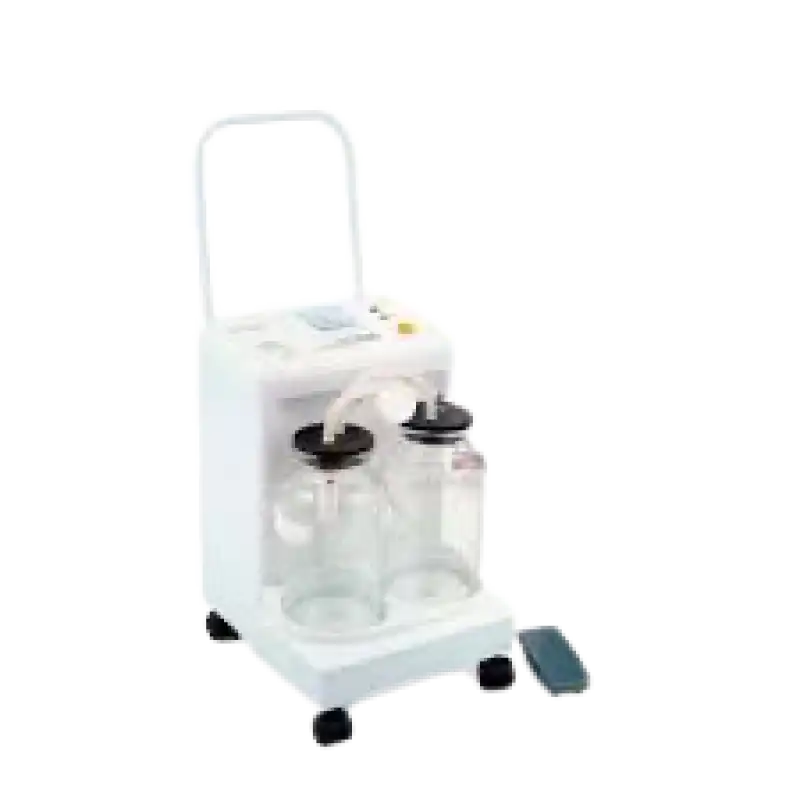
A suction machine, also called an aspirator, is a medical device used to remove mucus, blood, saliva, or other secretions from a person’s airway. It creates a vacuum pressure to clear out blockages and ensure smooth breathing.
This device is especially crucial for patients who:
Have trouble coughing or swallowing
Are on a ventilator
Are unconscious or semi-conscious
Have undergone tracheostomy or surgery
Where Are Suction Machines Used?
Hospitals & Clinics: For patients in critical care, surgery rooms, or emergency departments
Ambulances: For clearing airways during transportation
Home Healthcare: For elderly or chronically ill patients who need regular suctioning at home
How Does a Suction Machine Work?
The machine uses negative pressure (vacuum) to draw out fluids via a sterile tube. Here's a step-by-step idea:
The catheter or tube is inserted into the patient’s throat or mouth.
Once positioned, the machine is turned on.
The unwanted secretions are gently sucked into a collection jar.
After use, the tube is cleaned or replaced for hygiene.
Most modern machines are portable and easy to operate with powerful yet quiet motors, making them ideal for home use as well.
Who Needs a Suction Machine at Home?
Stroke survivors with difficulty swallowing
ALS or Parkinson’s patients
Elderly individuals with chronic bronchitis
Children with cerebral palsy or other neurological disorders
Palliative care patients with lung congestion
If your doctor recommends suction therapy, it’s important to have a reliable machine available whenever needed.
Choosing the Right Suction Machine: Things to Consider
Before buying a suction machine, keep the following in mind:
Portability: Compact and lightweight models are easier to use at home or travel with
Noise Level: A quieter motor is less stressful for patients
Suction Power: Should be strong enough for your needs (check with a doctor)
Battery Backup: Useful in case of power cuts
Ease of Cleaning: Hygiene is key, so easy-to-clean jars and filters matter
You can explore quality options on Aarogyaa Bharat , where both rental and purchase options are available for reliable suction machines.
Safety Tips for Using a Suction Machine at Home
Always wash your hands before and after suctioning
Use only sterile, disposable catheters
Follow the suctioning schedule recommended by a healthcare provider
Clean or change collection bottles and tubes regularly
Never suction longer than 15 seconds at a time
Monitor oxygen levels if possible, especially in critical patients
FAQs on Suction Machines
Q1: Is suctioning painful?
No, but it can be uncomfortable. Proper technique makes it safe and quick.
Q2: Can I use one machine for more than one patient?
No. Suction machines should not be shared. Even at home, hygiene must be strictly maintained.
Q3: What’s the average cost of a suction machine?
Prices in India typically range from ₹3,000 to ₹12,000 depending on features. Rentals are also available for short-term needs.
Q4: How often should suctioning be done?
Only when needed, or as advised by your doctor. Over-suctioning can irritate the airway.
Conclusion: A Small Device with a Big Impact
A suction machine may not seem like much, but for someone struggling to breathe, it can be a lifesaver—literally. Whether at home or in a hospital, its role in clearing the airway and preventing complications is crucial.
If someone in your family needs suctioning support, don’t delay. Find a reliable machine that suits your needs and make sure it's always clean and ready.
For trusted options, home delivery, and support, visit Aarogyaa Bharat – your partner in dependable home healthcare equipment.