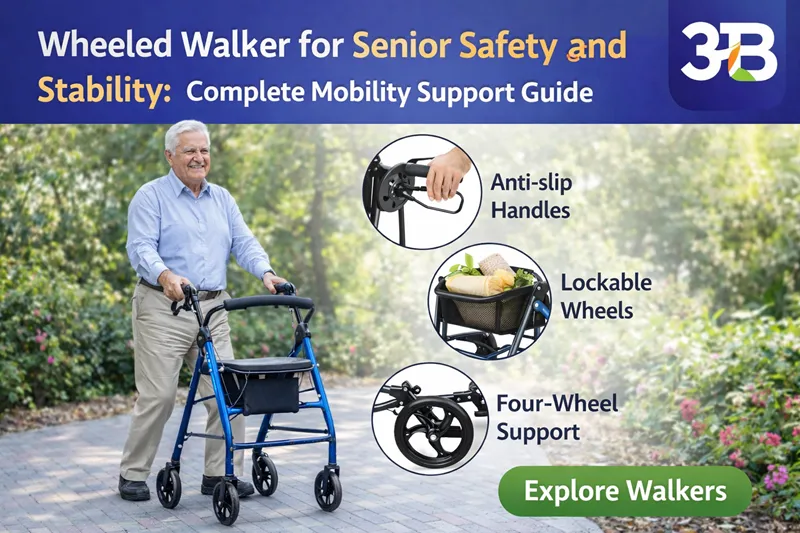
Why Foldable Walkers Are Becoming Popular for Elderly
Mobility
Modern homes often have limited space, and elderly users
require mobility aids that are practical without compromising stability.
Foldable walkers provide a balance between strong structural support and easy
storage, making them ideal for daily indoor use as well as travel. Unlike
fixed-frame walkers that occupy more space, foldable models can be collapsed
quickly and stored beside a bed, sofa, or vehicle. Seniors who want
independence without bulky equipment often benefit from this design. Families
planning long-term home healthcare frequently explore Aarogyaa Bharat Hospital
Page alongside Mobility Aid Categories to integrate foldable walkers
with rehabilitation tools, safety accessories, and patient support equipment
that enhance daily living comfort.
Understanding the Purpose of a Foldable Walker Before
Buying
Before selecting a foldable walker, it is important to
understand the user’s mobility level, physical strength, and rehabilitation
stage. Some seniors need maximum stability during recovery from surgery, while
others require lightweight support for daily walking. Foldable walkers are
suitable for individuals who can maintain moderate balance but still need
assistance during movement. Choosing the right type involves evaluating whether
the walker will be used indoors, outdoors, or during travel. Families often
compare different options across Aarogyaa Bharat Product Category Pages and
Rehabilitation Sections to ensure that the walker aligns with lifestyle needs
and long-term mobility goals.
Types of Foldable Walkers Available for Elderly Users
Foldable walkers are available in several designs to match
different mobility requirements. Standard foldable walkers without wheels
provide maximum stability and are commonly used during early rehabilitation
stages. Front-wheel foldable walkers allow smoother forward motion and reduce
lifting effort, making them suitable for seniors with moderate strength.
Foldable rollator walkers with seats are designed for advanced mobility and
offer rest support during longer walks. Ultra-light travel foldable walkers are
built for portability and can fit easily into car trunks or travel bags.
Families frequently compare walker options within Aarogyaa Bharat Mobility Aid
Categories to ensure the selected model supports both safety and convenience.
Foldable Walker Comparison Table
|
Walker
Type |
Key
Benefit |
Ideal User |
Recommended
Environment |
|
Standard
Foldable Walker |
Maximum
stability |
Early
recovery |
Indoor use |
|
Front-Wheel
Foldable Walker |
Smooth
movement |
Moderate
mobility |
Daily home
walking |
|
Foldable
Rollator Walker |
Rest support |
Advanced
mobility |
Indoor &
outdoor |
|
Travel
Foldable Walker |
Lightweight
portability |
Active
seniors |
Travel &
compact homes |
Frame Material Checklist: Strength vs Weight Balance
One of the most important factors when buying a foldable
walker is the frame material. Aluminum frames are lightweight and
corrosion-resistant, making them easy to maneuver for elderly users. Steel
frames offer higher durability but may feel heavier during prolonged use. A
balanced frame ensures that the walker remains sturdy without causing fatigue
during daily movement. Families exploring Aarogyaa Bharat Hospital Page often compare frame materials to ensure compatibility with
rehabilitation routines and long-term usage.
Height Adjustment and Posture Alignment Considerations
Proper height adjustment is essential for maintaining
upright posture and preventing back or shoulder strain. Handles should align
with wrist level when the user stands naturally. Incorrect height may cause
seniors to lean forward, increasing the risk of imbalance and discomfort. Many
foldable walkers offer multiple adjustment levels to accommodate different user
heights. Families frequently use Aarogyaa Bharat Healthcare Calculator tools
and Elderly Care Planning Sections to evaluate posture-friendly mobility
solutions that support long-term comfort.
Wheel and Tip Design Checklist for Safe Movement
Foldable walkers may include rubber tips, front wheels, or
full rollator-style wheels depending on the model. Rubber tips provide maximum
grip for indoor rehabilitation, while front wheels allow smoother forward
movement with reduced lifting effort. Larger wheels improve outdoor mobility
but require reliable braking systems for safety. Evaluating wheel design helps
families ensure that the walker matches the user’s walking environment.
Aarogyaa Bharat Mobility Aid Categories often highlight models designed for
both indoor and outdoor safety.
Brake System and Locking Mechanism Importance
For foldable rollator walkers, a strong braking system is
essential to prevent accidental rolling during rest breaks. Locking brakes
allow seniors to sit safely on the walker seat without fear of movement.
Additionally, the folding mechanism itself should include a secure locking
system to prevent accidental collapse during use. Families exploring Aarogyaa
Bharat Product Category Pages frequently prioritize walkers with reliable
locking features that enhance overall safety.
Foldability Mechanism and Ease of Storage
Not all foldable walkers are designed the same way, and
understanding the folding mechanism can make daily use easier. Some models fold
sideways, while others collapse forward for compact storage. Seniors with
limited hand strength may benefit from walkers with simple one-button folding
systems. Easy folding allows caregivers to transport the walker between rooms
or store it during non-use. Families planning compact home setups often
integrate foldable walkers with Aarogyaa Bharat Elderly Care Solutions and
Hospital Page equipment to maintain a clutter-free environment.
Weight Capacity and Stability Evaluation
Checking the walker’s weight capacity ensures that it
provides reliable support without compromising safety. Seniors with higher body
weight or additional mobility challenges may require reinforced frames designed
for heavy-duty use. Stability should always take priority over portability,
especially during early rehabilitation stages. Aarogyaa Bharat Rehabilitation
Sections often recommend selecting walkers that align with physiotherapy goals
and daily movement routines.
Comfort Features That Improve Daily Mobility
Comfort plays a crucial role in long-term walker usage.
Ergonomic hand grips reduce pressure on wrists and shoulders, while padded
seats and backrests improve comfort during rest breaks in rollator models.
Storage pouches attached to foldable walkers allow seniors to carry personal
items such as medications or water bottles, enhancing independence during
movement. Families exploring Aarogyaa Bharat Mobility Aid Categories often
prioritize comfort features that encourage consistent walker use.
Indoor vs Outdoor Usage Considerations
Foldable walkers designed for indoor use typically feature
narrow frames that fit easily through doorways and tight spaces. Outdoor models
may include larger wheels and reinforced frames for stability on uneven
surfaces. Selecting a walker that supports both environments ensures
flexibility during daily routines. Families frequently compare options within
Aarogyaa Bharat Hospital Page to create a mobility plan that adapts
to changing rehabilitation needs.
Safety Checklist Before Final Purchase
Before finalizing a foldable walker purchase, families
should evaluate grip quality, frame stability, wheel traction, and brake
functionality. Testing the walker’s folding and unfolding mechanism ensures
ease of use. Ensuring that the walker remains stable when fully opened is
essential for preventing accidents. Combining walker selection with Aarogyaa
Bharat Elderly Care Accessories such as anti-slip footwear and transfer
supports enhances overall mobility safety.
Maintenance and Long-Term Durability Considerations
Regular maintenance extends the lifespan of a foldable
walker. Frames should be cleaned periodically to prevent corrosion, and moving
parts should be inspected for wear. Rubber tips and wheels should be replaced
when worn to maintain traction and stability. Many families refer to Aarogyaa
Bharat Hospital Page safety guidelines and Elderly Care Sections to ensure that
walkers remain reliable throughout long-term use.
Cost Planning and Value for Long-Term Mobility
Foldable walkers vary in price depending on materials, wheel
design, and additional features such as seats or storage accessories. Standard
foldable walkers are generally more affordable, while foldable rollator models
may involve higher investment due to advanced mobility features. Families often
use Aarogyaa Bharat Healthcare Calculator tools to estimate expenses when
mobility aids are part of a broader home healthcare setup that includes
physiotherapy equipment and hospital safety solutions.
Important Foldable Walker Buying Checklist
|
Feature |
Why It
Matters |
What to
Check |
|
Adjustable
Height |
Maintains
posture |
Wrist-level
handle alignment |
|
Lightweight
Frame |
Easy handling |
Aluminum
construction |
|
Secure
Folding Lock |
Prevents
collapse |
Strong
locking system |
|
Anti-Slip
Tips/Wheels |
Safe movement |
Durable
rubber or smooth wheels |
|
Brake System
(Rollator) |
Safe resting |
Reliable
locking brakes |
Conclusion
A foldable walker buying checklist helps families select a mobility aid that balances stability, comfort, and convenience for elderly users. By understanding walker types, evaluating essential safety features, and integrating mobility aids with Aarogyaa Bharat Hospital Page solutions, Rehabilitation Categories, Elderly Care Sections, Product Category Pages, and Healthcare Calculator tools, families can create a mobility plan that supports independence and long-term safety. The right foldable walker not only improves daily movement but also enhances confidence and quality of life for seniors seeking reliable support.