Introduction
Health emergencies can happen anytime, and being prepared with the right medical equipment at home can make all the difference. Whether you're managing chronic conditions, providing elderly care, or simply want to be ready for unforeseen situations, having essential medical devices ensures you can respond effectively. In this blog, we’ll explore the must-have medical equipment every household should consider and their benefits.
1. Blood Pressure Monitors
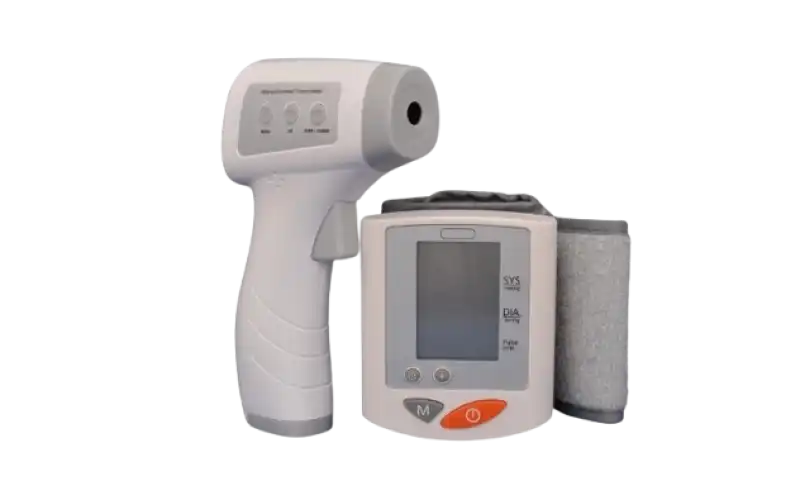
High blood pressure, or hypertension, is a silent killer that often goes unnoticed. A digital blood pressure monitor allows you to track readings from the comfort of your home, providing critical insights for preventive care.
Why it’s important:
· Early detection of hypertension can prevent complications such as heart disease and strokes.
· Convenient for daily monitoring without frequent clinic visits.
· Available in automatic and manual versions for different user needs.
Tips for choosing the right one:
· Look for clinically validated monitors with large displays for easy reading.
· Consider models with memory storage to track historical data.
2. Glucometers
For individuals with diabetes or those at risk, a glucometer is a crucial tool to monitor blood sugar levels regularly. Keeping track of glucose helps in effective diabetes management and dietary adjustments.
Why it’s important:
· Helps prevent sudden spikes or drops in blood sugar levels.
· Enables better medication adjustments.
· Compact and portable for on-the-go monitoring.
Tips for choosing the right one:
· Opt for a glucometer with fast results and easy-to-use strips.
· Consider Bluetooth-enabled devices for tracking via smartphone apps.
3. Thermometers
Fevers are common indicators of infections and other health conditions. A reliable thermometer is essential for monitoring body temperature, especially during flu seasons or post-surgery care.
Types of thermometers:
· Digital Thermometers: Provide quick readings with high accuracy.
· Infrared Thermometers: Contactless and ideal for infants and elderly patients.
· Traditional Mercury Thermometers: Though accurate, they require careful handling.
Why it’s important:
· Timely temperature monitoring helps detect illnesses early.
· Essential for households with children and elderly members.
4. Oxygen Concentrators and Cylinders
Patients with respiratory conditions such as COPD or post-COVID complications may require supplemental oxygen at home. An oxygen concentrator or oxygen cylinder can provide the required oxygen levels safely.
Why it’s important:
· Ensures an uninterrupted supply of medical-grade oxygen.
· Useful during emergencies where oxygen saturation levels drop suddenly.
· Adjustable settings for different patient needs.
Tips for choosing the right one:
· Consider flow rate capacity (1-10 LPM) based on the patient’s condition.
· Look for portable options with battery backup for emergencies.
5. Mobility Aids
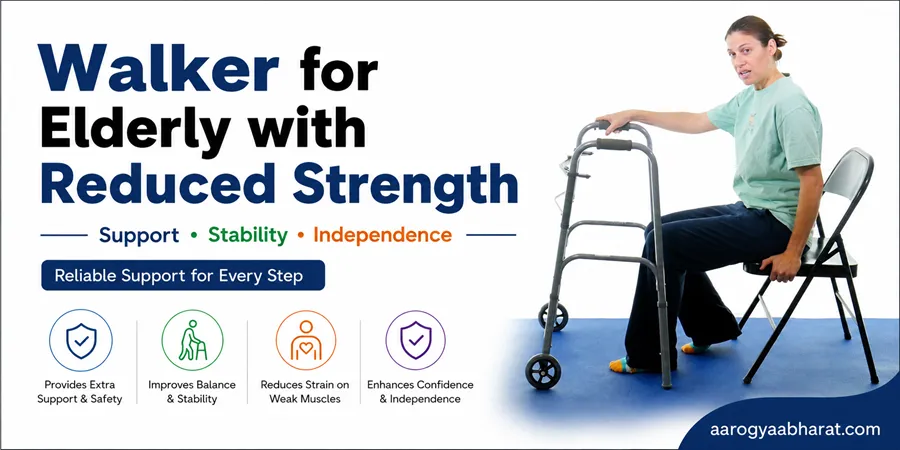
For individuals with mobility challenges, tools such as wheelchairs, walkers, and crutches provide independence and comfort while moving around the house or outdoors.
Why it’s important:
· Provides support and confidence to elderly or post-surgery patients.
· Reduces the risk of falls and injuries.
· Improves quality of life for people with disabilities.
Types of mobility aids:
· Walkers and Rollators: Ideal for support during short walks.
· Wheelchairs: Manual and electric options for different mobility levels.
· Crutches: Suitable for temporary injuries or post-surgery recovery.
6. First Aid Kits
A comprehensive first aid kit is essential for handling minor injuries, burns, and other health incidents at home before professional medical help arrives.
Why it’s important:
· Immediate treatment can prevent infections and complications.
· Essential for treating minor wounds, burns, and allergic reactions.
· Convenient to have for travel and emergencies.
What your kit should include:
· Antiseptics, bandages, gauze, scissors, and pain relievers.
· Basic medications for fever, allergies, and stomach issues.
· Emergency contact numbers and first-aid instructions.
7. Hospital Beds for Home Use
For bedridden patients or individuals recovering from surgery, an adjustable hospital bed provides the necessary comfort and support. These beds come with features such as adjustable height, reclining options, and side rails for added safety.
Why it’s important:
· Prevents bedsores by offering adjustable positions.
· Enhances patient comfort and caregiver convenience.
· Essential for post-surgery care, elderly patients, or chronic illness management.
Tips for choosing the right one:
· Choose a model with electric adjustments for ease of use.
· Consider pressure-relief mattresses to prevent bedsores.
Why These Tools Matter
Investing in essential home healthcare equipment provides peace of mind, ensuring that you can respond to medical needs efficiently. Whether it’s tracking vital signs, assisting with mobility, or delivering emergency care, having the right tools at home can:
· Reduce hospital visits: Regular monitoring helps manage conditions without frequent trips to the doctor.
· Enhance patient comfort: Being in a familiar home environment improves recovery and mental well-being.
· Provide immediate response: In emergencies, timely intervention can save lives.
Conclusion
Having the right medical equipment at home is a proactive step toward ensuring the health and safety of your family. Whether for everyday health monitoring or managing chronic conditions, these essential devices provide confidence and control over your healthcare needs.
If you're considering purchasing or renting medical equipment, check out Aarogyaa Bharat for high-quality, affordable solutions tailored to your needs.