Rehabilitation is a crucial phase in helping elderly
individuals recover after surgery, fractures, strokes, joint replacement
procedures, or prolonged illness. During this period, seniors often experience
reduced muscle strength, limited mobility, poor balance, and a greater risk of
falls. Walking independently too soon may lead to injuries, while remaining
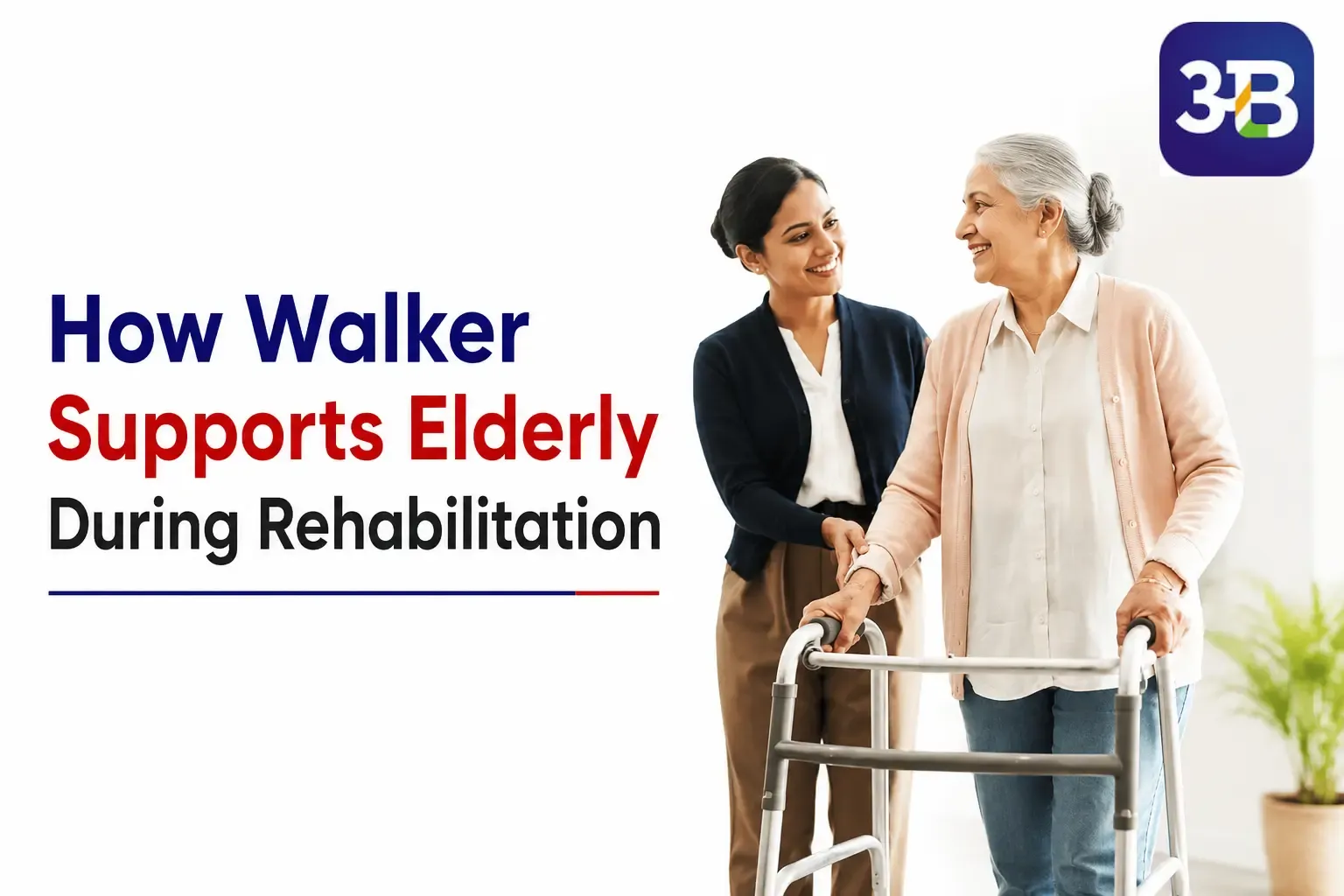
inactive for extended periods can slow the recovery process. A walker serves as
one of the most effective mobility aids during rehabilitation by providing
stability, improving posture, reducing pressure on healing joints, and
encouraging safe movement. With the right support, elderly patients can
gradually rebuild strength, improve coordination, and regain confidence in
their daily activities. Walkers also help patients remain active throughout
their recovery journey, contributing to faster rehabilitation and a better
quality of life. If you're looking for trusted recovery solutions, explore Mobility
Aids designed to support safe and independent rehabilitation.
Why Rehabilitation Is Important for Elderly Recovery
Rehabilitation focuses on restoring physical function,
improving mobility, and helping patients return to their normal daily routine
after medical treatment or injury. As people age, recovery naturally becomes
slower due to reduced muscle mass, weaker bones, and decreased flexibility.
Without structured rehabilitation, elderly patients may develop long-term
mobility limitations, joint stiffness, muscle weakness, and reduced confidence
while walking. Physiotherapy, supervised exercise, and mobility support work
together to improve balance, flexibility, endurance, and coordination. A walker
provides the stability needed during this process, allowing seniors to practice
walking safely while gradually increasing their physical activity. Early and
consistent rehabilitation not only improves recovery outcomes but also reduces
the likelihood of future complications. Along with mobility support, Home
Healthcare Products help create a safer and more comfortable rehabilitation
environment at home.
How a Walker Improves Stability During Rehabilitation
One of the primary reasons healthcare professionals
recommend walkers is the exceptional stability they provide during movement.
Unlike walking without support, a walker offers a broad base that distributes
body weight evenly, reducing stress on weak muscles and healing joints. This
additional support helps patients maintain proper posture while minimizing the
chances of losing balance during walking exercises. As rehabilitation
progresses, seniors become more comfortable taking longer walks with less fear of
falling. Improved stability also allows patients to focus on correct walking
techniques rather than worrying about maintaining balance. Consistent use of a
properly adjusted walker enables individuals to move more confidently both
indoors and outdoors. Patients undergoing structured rehabilitation often
combine walker use with Rehabilitation Equipment to improve recovery
outcomes.
Medical Conditions Where Walkers Support Rehabilitation
Walkers are widely used during rehabilitation for a variety
of medical conditions affecting mobility and balance. Elderly individuals
recovering from hip replacement surgery, knee replacement surgery, spinal
surgery, fractures, ligament injuries, stroke, Parkinson's disease, arthritis,
osteoporosis, or prolonged hospitalization frequently benefit from
walker-assisted movement. Patients recovering from neurological conditions may
also require additional stability while relearning proper walking patterns. In
many cases, healthcare providers recommend walkers immediately after surgery or
injury to promote controlled movement while protecting healing tissues. As
recovery improves, the level of mobility support may gradually change based on
individual progress. Combining mobility assistance with Orthopedic Supports
often helps reduce joint discomfort while improving walking confidence.
Physical Benefits of Using a Walker During Rehabilitation
Using a walker regularly offers several physical benefits
that contribute directly to successful rehabilitation. Supported walking
strengthens leg muscles gradually without placing excessive pressure on healing
joints or bones. Regular movement improves blood circulation, allowing oxygen
and nutrients to reach recovering tissues more effectively. Walking also helps
reduce joint stiffness, improves flexibility, maintains healthy posture, and
supports better coordination. Elderly patients who remain physically active
during rehabilitation often experience improved endurance, stronger muscles,
and greater overall mobility compared to those who remain inactive for long
periods. A walker encourages consistent movement while providing the safety
needed to perform rehabilitation exercises confidently. Monitoring
rehabilitation progress with Healthcare Calculators may also help
patients better understand various aspects of their overall health and
recovery.
Everyday Activities That Become Easier During
Rehabilitation
As rehabilitation progresses, a walker helps elderly
individuals regain independence in many everyday activities.
- Walking
safely inside the home
- Going
to the bathroom independently
- Attending
physiotherapy sessions
- Visiting
hospitals for follow-up appointments
- Preparing
simple meals
- Walking
outdoors with family
- Shopping
for daily essentials
- Moving
between different rooms
- Performing
light household activities
- Participating
in daily exercise routines
These activities become safer and more manageable because
the walker provides continuous support throughout movement. Many seniors also
improve their daily independence by using Daily Living Aids alongside
walkers during rehabilitation.
How Walkers Help Restore Confidence After Injury or
Surgery
Many elderly patients develop a fear of walking after
experiencing surgery, fractures, or serious falls. This fear often causes them
to avoid physical activity, leading to muscle weakness and slower recovery. A
walker helps restore confidence by providing reliable support with every step.
As patients realize they can move safely without losing balance, they gradually
become more willing to participate in rehabilitation exercises, outdoor walks,
and everyday activities. Increased confidence positively affects emotional
well-being, reducing anxiety and encouraging greater independence. The
reassurance provided by a walker often motivates seniors to remain committed to
their rehabilitation program, ultimately contributing to better long-term
recovery outcomes.
Medical Disclaimer: Rehabilitation programs vary
depending on the patient's medical condition and surgical procedure. Always use
a walker under the guidance of your doctor or physiotherapist and follow the
prescribed rehabilitation plan.
Choosing the Right Walker for Rehabilitation
Selecting the right walker is one of the most important
decisions during rehabilitation because it directly affects comfort, safety,
and recovery progress. Every elderly patient has different mobility
requirements depending on their age, physical strength, balance, and medical
condition. A walker should be adjusted to the correct height so the user's
elbows remain slightly bent while standing upright, helping maintain proper
posture and reducing unnecessary strain on the shoulders and wrists. Lightweight
aluminum walkers are popular because they are durable, easy to lift, and
convenient for everyday use. Foldable walkers provide additional convenience
for transportation and storage, especially when traveling for physiotherapy
sessions or follow-up hospital visits. Comfortable hand grips, sturdy frames,
and non-slip rubber tips improve control and stability throughout
rehabilitation. Choosing a walker that suits the patient's recovery stage helps
improve confidence while supporting safer movement. If you're exploring
mobility solutions for rehabilitation, Walking Aids provide dependable
support for different healthcare needs.
Different Types of Walkers Used During Rehabilitation
Modern walkers are available in several designs to meet
varying rehabilitation requirements. Standard walkers offer maximum stability
and are generally recommended during the early stages of recovery when patients
require full support while walking. Two-wheel walkers allow smoother movement
by reducing the need to lift the walker completely with each step, making them
suitable for individuals who have regained some strength. Folding walkers are
lightweight, portable, and ideal for home use as well as hospital visits. Hemi
walkers provide one-sided support for patients recovering from stroke or
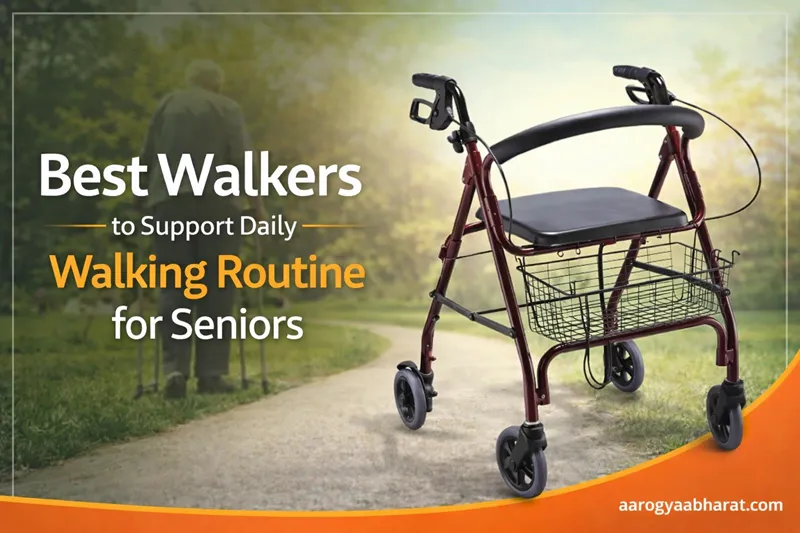
injuries affecting one side of the body. Rollator walkers feature four wheels,
hand brakes, a comfortable seat, and storage compartments, making them suitable
for patients who have progressed further in rehabilitation and can safely walk
longer distances. Selecting the appropriate walker depends on medical advice,
rehabilitation goals, and the patient's overall physical condition. For
additional recovery support, many individuals also use Patient Care
Equipment to improve safety and comfort at home.
Walker vs Walking Stick vs Rollator Walker
|
Feature |
Walker |
Walking
Stick |
Rollator
Walker |
|
Stability |
Excellent |
Moderate |
Excellent |
|
Best For |
Rehabilitation
& recovery |
Mild balance
support |
Long-distance
walking |
|
Wheels |
Optional |
No |
Four Wheels |
|
Seat
Available |
No |
No |
Yes |
|
Brakes |
No |
No |
Yes |
|
Indoor Use |
Excellent |
Good |
Good |
|
Outdoor Use |
Good |
Moderate |
Excellent |
|
Fall
Prevention |
High |
Moderate |
High |
Safety Tips While Using a Walker During Rehabilitation
Following proper safety practices is essential for achieving
successful rehabilitation outcomes. Before every use, the walker should be
inspected to ensure that the frame, wheels, folding mechanism, and rubber tips
are secure and functioning correctly. Patients should always maintain an
upright posture while walking and avoid pushing the walker too far ahead, as
this may reduce stability. Walking should be performed at a slow, controlled
pace without sudden turns or quick movements. Inside the home, pathways should
remain free from loose rugs, electrical cables, and unnecessary furniture to
minimize tripping hazards. Wearing supportive footwear with non-slip soles
further improves safety during rehabilitation. Patients should also take
regular rest breaks whenever fatigue develops instead of overexerting
themselves. Those with breathing difficulties during recovery may also benefit
from Oxygen Concentrators based on their doctor's recommendation.
Disclaimer: Never attempt to climb stairs or uneven
surfaces without proper assistance while using a walker. Follow your
physiotherapist's instructions regarding weight-bearing and walking techniques
throughout rehabilitation.
Common Mistakes That Slow Rehabilitation
Although walkers provide excellent support, incorrect usage
can delay recovery and increase the risk of injury. One of the most common
mistakes is selecting a walker that does not match the user's height, leading
to poor posture and unnecessary strain on the neck, shoulders, and back. Some
patients also push the walker too far ahead, forcing themselves to lean forward
and reducing overall stability. Ignoring routine maintenance, such as replacing
worn rubber tips or tightening loose components, may compromise safety.
Carrying heavy bags on the walker frame can also affect balance and steering.
Another frequent mistake is avoiding prescribed physiotherapy sessions while
relying solely on the walker for recovery. Successful rehabilitation requires a
combination of safe mobility, therapeutic exercise, and medical supervision.
Many recovering patients also use Hospital Bed to create a safer
and more supportive home environment.
Maintaining Your Walker Throughout Rehabilitation
Proper maintenance helps ensure that a walker remains safe
and reliable throughout the rehabilitation process. The frame should be
inspected regularly for loose bolts, cracks, or structural damage. Rubber tips
must be replaced once they become worn to maintain proper grip on indoor and
outdoor surfaces. Walkers with wheels should have the wheels cleaned
periodically to remove dust and debris that could interfere with smooth
movement. Folding mechanisms should operate freely without sticking, and hand
grips should remain secure for comfortable use. Storing the walker indoors in a
dry environment protects it from moisture and extends its lifespan. Performing
these simple maintenance checks regularly helps patients maintain confidence
while reducing the likelihood of equipment-related accidents. To further
improve home safety during recovery, many families also choose Bedroom
Safety Products designed to reduce fall risks.
Why Buy a Walker from Aarogyaa Bharat?
Aarogyaa Bharat is committed to supporting elderly
rehabilitation by offering a carefully selected range of premium-quality
walkers and mobility solutions. Every walker is chosen for its durability,
ergonomic design, lightweight construction, and dependable performance to meet
the varying needs of rehabilitation patients. Customers can explore standard
walkers, folding walkers, wheeled walkers, and other mobility aids that support
different stages of recovery. In addition to walkers, Aarogyaa Bharat provides
home healthcare equipment, orthopedic products, rehabilitation devices, patient
care essentials, and wellness solutions from trusted brands. This comprehensive
product range allows families to find everything needed for safe recovery under
one platform. Customers can also access quality healthcare solutions through Pune
Healthcare, Mumbai Healthcare, Delhi Healthcare, Bengaluru
Healthcare, Chennai Healthcare, Hyderabad Healthcare, Kolkata
Healthcare, and Ahmedabad Healthcare, ensuring convenient
availability across India.
Conclusion
Rehabilitation is a journey that requires patience,
consistency, and the right support. A walker plays a vital role in helping
elderly individuals recover safely by improving balance, reducing the risk of
falls, supporting proper posture, and encouraging regular movement. Whether
recovering from surgery, fractures, neurological conditions, or prolonged
illness, a walker provides the stability needed to regain confidence and
independence. Choosing the right walker, following professional medical advice,
maintaining the equipment properly, and participating actively in
rehabilitation exercises can significantly improve recovery outcomes. Aarogyaa
Bharat remains dedicated to helping individuals achieve safer mobility through
trusted healthcare products that promote comfort, confidence, and a better
quality of life.
Medical Disclaimer: This article is intended for informational purposes only and should not replace professional medical advice. Always consult your doctor, orthopedic specialist, or physiotherapist before selecting or using a walker during rehabilitation based on your individual medical condition.