Understanding Why Correct Sizing Matters in Medical
Compression Therapy
Compression stockings deliver their therapeutic effect
through precisely controlled pressure gradients, which means that sizing is not
just a matter of comfort but a critical factor in medical effectiveness. If a
stocking is too tight, it can restrict circulation and cause discomfort, while
a loose fit may fail to deliver sufficient pressure to support venous return.
Medi compression stockings are designed using calibrated knitting technology
that distributes compression evenly across the leg, ensuring that pressure
decreases gradually from ankle to calf and thigh. Accurate sizing ensures that
this gradient remains intact, allowing blood to circulate efficiently and
reducing symptoms such as swelling, heaviness, and fatigue. Aarogyaa Bharat
emphasizes that proper measurement should be viewed as the foundation of
compression therapy because even the highest-quality stocking cannot perform
effectively without the right fit.
Step-by-Step Guide to Measuring for Medi Compression
Stockings
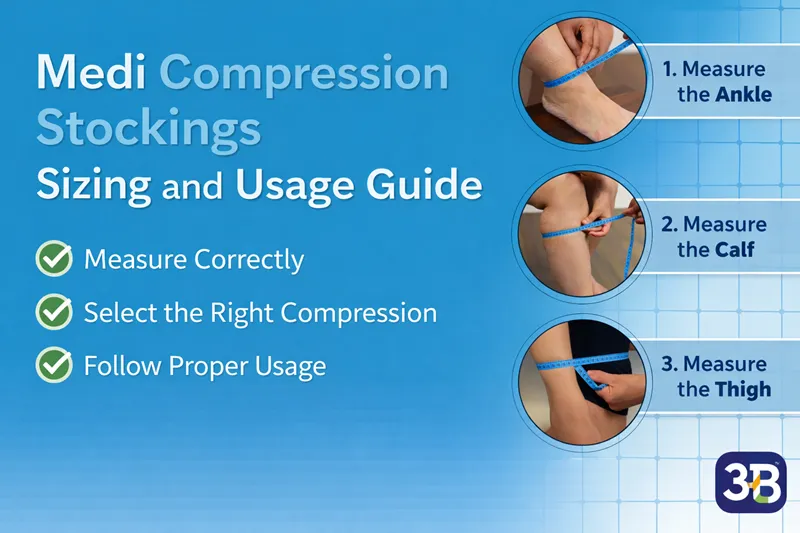
Measuring the leg correctly is the most important step when
choosing compression stockings. Measurements should ideally be taken in the
morning when swelling is minimal, as this ensures the most accurate fit. Key
measurements include ankle circumference, calf circumference, and the length
from heel to knee or thigh depending on the stocking style. Using a soft
measuring tape helps capture precise dimensions without compressing the skin.
Many users underestimate the importance of measurement and choose sizes based
solely on shoe size or clothing preferences, which can reduce effectiveness.
Aarogyaa Bharat recommends keeping a record of measurements and consulting
sizing charts carefully to ensure the chosen stocking delivers the intended
compression level.
Table: Essential Measurements for Medi Compression
Stockings
|
Measurement
Area |
How to
Measure |
Purpose |
Importance |
|
Ankle
Circumference |
Narrowest
part above ankle |
Determines
base compression |
Critical for
therapy |
|
Calf
Circumference |
Widest calf
area |
Ensures
comfort |
Prevents
tightness |
|
Leg Length |
Heel to
knee/thigh |
Correct
coverage |
Maintains
gradient |
|
Foot Size |
Heel to toe |
Proper fit |
Improves
stability |
Understanding Compression Levels and Their Medical
Purpose
Compression levels are measured in millimetres of mercury
(mmHg), and each level serves a different therapeutic purpose. Mild compression
is commonly used for preventive care, reducing fatigue during long working
hours or travel. Moderate compression helps manage swelling and early varicose
vein symptoms, while firm compression is often prescribed for chronic venous
insufficiency or post-surgery recovery. Higher compression levels may be
required for advanced medical conditions under professional supervision.
Aarogyaa Bharat advises users to select compression levels based on medical
guidance rather than personal preference, as the right pressure ensures both
safety and effectiveness.
How to Choose the Right Style: Knee-High, Thigh-High, and
Pantyhose Options
Medi compression stockings are available in different
lengths to address various medical needs. Knee-high stockings are ideal for
daily wear and preventive care, while thigh-high styles provide extended
support for advanced venous conditions. Pantyhose designs offer full-leg
coverage and are often recommended for pregnancy-related swelling or bilateral
venous issues. Choosing the correct style depends on the location of symptoms
and the level of support required. Aarogyaa Bharat encourages users to consider
lifestyle factors such as clothing preferences and climate when selecting
stocking length, ensuring both therapeutic effectiveness and daily comfort.
Proper Usage Techniques for Maximum Therapeutic Benefit
Wearing compression stockings correctly is essential for
achieving consistent results. Users should apply the stockings in the morning
before swelling increases, rolling the fabric gently over the foot and
gradually pulling it up the leg without twisting. Ensuring that the stocking
lies flat prevents uneven pressure that may reduce effectiveness. For elderly
individuals or those with limited hand strength, donning aids or gloves can
make the process easier. Aarogyaa Bharat emphasizes that proper usage habits
not only improve comfort but also extend the lifespan of the stockings.
Table: Medi Compression Levels and Recommended Usage
|
Compression
Level |
Pressure
Range |
Ideal Use |
Suitable
Users |
|
Mild |
10-15 mmHg |
Preventive
wear |
Office
workers |
|
Moderate |
15-20 mmHg |
Travel
swelling |
Frequent travellers |
|
Firm |
20-30 mmHg |
Varicose
veins |
Medical
therapy |
|
Strong |
30-40 mmHg |
Post-DVT care |
Doctor
prescribed |
Comfort Technology and Breathable Material Design
Medi compression stockings are designed to balance medical
effectiveness with everyday comfort. Breathable fibres allow airflow,
preventing excessive sweating and maintaining skin health even in warm
climates. Seamless knitting reduces friction, minimizing irritation during
prolonged wear. Lightweight materials ensure that stockings remain discreet
under regular clothing, allowing users to integrate compression therapy into
their daily routine without inconvenience. Aarogyaa Bharat highlights that
comfort is a key factor in long-term adherence, as users are more likely to
benefit from compression therapy when stockings feel natural and supportive.
Maintenance and Hygiene for Long-Term Performance
Proper care ensures that Medi compression stockings maintain
their therapeutic properties over time. Gentle washing with mild detergent
preserves elasticity, while air drying prevents damage to compression fibres.
Rotating between multiple pairs allows stockings to recover their shape between
uses, extending their lifespan. Regular inspection for signs of stretching or
thinning helps determine when replacement is needed. Aarogyaa Bharat advises
replacing compression stockings every few months depending on usage frequency
to ensure consistent compression levels.
Safety Tips and When to Seek Medical Advice
While compression stockings are generally safe, individuals
with severe arterial disease, skin infections, or certain medical conditions
should consult a healthcare professional before use. Monitoring for discomfort,
numbness, or unusual skin changes helps ensure safe therapy. Aarogyaa Bharat
encourages users to approach compression therapy as part of a broader
healthcare plan that includes regular physical activity and medical check ups.
Emotional and Lifestyle Benefits of Properly Fitted
Compression Stockings
Beyond physical health, correctly fitted compression
stockings can significantly improve confidence and mobility. Users often
experience reduced leg fatigue, enabling them to remain active throughout the
day. Elderly individuals benefit from improved circulation that supports
walking and social engagement, while professionals experience better endurance
during long working hours. Aarogyaa Bharat believes that proper sizing and
usage transform compression therapy from a medical necessity into a daily wellness
practice.
Conclusion
Medi Compression Stockings provide a scientifically advanced solution for improving circulation, reducing swelling, and supporting long-term vascular health. Accurate sizing, proper usage techniques, and regular maintenance are essential to ensure therapeutic effectiveness and comfort. By understanding compression levels, choosing the right style, and integrating compression therapy into daily routines, users can experience improved mobility and reduced fatigue. Aarogyaa Bharat recommends viewing compression stockings as a proactive healthcare investment that supports both physical well-being and lifestyle confidence.