At Aarogyaa Bharat - Live Healthy, Live Better, we work closely with patients, caregivers, and doctors across India. Over the years, we’ve seen how choosing the wrong oxygen concentrator capacity can lead to wasted money, therapy interruptions, discomfort, poor recovery outcomes, and unnecessary panic during medical emergencies.
This comprehensive, deeply humanized guide explains the true medical, technical, financial, and lifestyle differences between 5L and 10L oxygen concentrators. Our goal is to help you make a safe, confident, and doctor-aligned choice that supports long-term recovery, comfort, and dignity for your loved one.
Understanding Oxygen Concentrator Capacity in Simple Terms
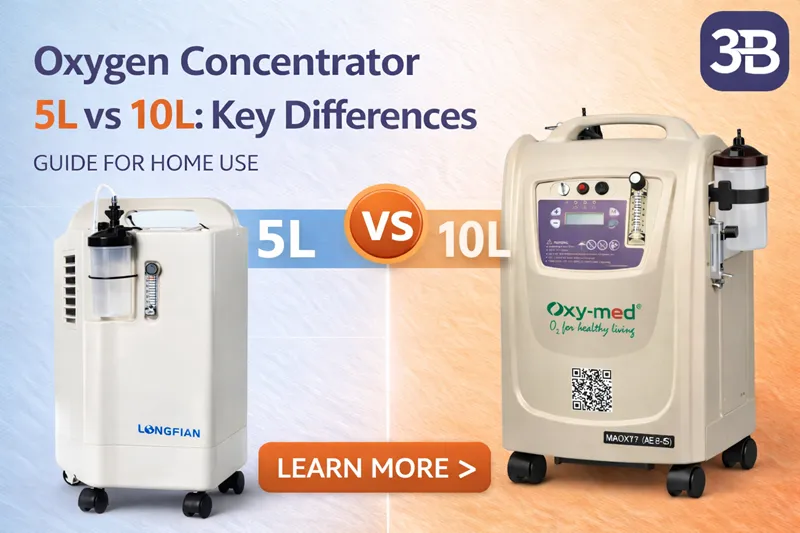
The terms “5L” and “10L” refer to the maximum oxygen flow rate the concentrator can deliver per minute, measured in liters per minute (LPM). A 5L concentrator delivers up to 5 liters of oxygen per minute, while a 10L concentrator can go up to 10 liters per minute.
However, oxygen capacity is not just about raw numbers. It also affects oxygen purity, machine stability, noise levels, electricity consumption, portability, long-term reliability, and patient comfort. Many families mistakenly assume that higher capacity automatically means better medical care, which is not always true.
In reality, the correct capacity must match the doctor-prescribed oxygen flow, the patient’s breathing pattern, the stage of illness, and how many hours per day oxygen is required. Choosing the wrong capacity can create more problems than it solves.
Why Choosing the Right Oxygen Concentrator Capacity Is Critical
Oxygen therapy is not a general wellness product it is a medical intervention. If a concentrator cannot supply enough oxygen to meet a patient’s needs, it can result in breathlessness, fatigue, anxiety, heart strain, sleep disturbances, and delayed healing.
On the other hand, choosing an oversized concentrator leads to higher power consumption, louder noise, unnecessary maintenance complexity, higher purchase cost, and operational inconvenience without offering additional medical benefits. This is especially important in Indian households where power stability, space constraints, and budget planning are real concerns.
The goal is not to buy the biggest machine. The goal is to buy the right-sized oxygen concentrator that delivers safe, stable, and comfortable therapy for the patient’s exact medical condition.
Who Is a 5L Oxygen Concentrator Ideal For?
A 5L oxygen concentrator is the most commonly recommended machine for home oxygen therapy in India. It is suitable for nearly 80–85% of all home oxygen users and provides an excellent balance between performance, comfort, affordability, and long-term reliability.
It is ideal for patients with:
• Mild to moderate COPD
• Post-COVID recovery needs
• Elderly respiratory weakness
• Heart failure-related hypoxemia
• Night-time oxygen dependency
• Long-term low-flow oxygen therapy
• Breathlessness during mild exertion
A good-quality 5L concentrator maintains oxygen purity of 90–96% across its full flow range. It works well with nasal cannulas and standard oxygen masks and can be safely used for 12–24 hours daily without overheating or performance drops.
Who Truly Needs a 10L Oxygen Concentrator?
A 10L oxygen concentrator is a specialized medical device designed for patients with severe respiratory conditions or ICU-level oxygen needs. It is not meant for routine home use unless specifically prescribed by a pulmonologist or critical care physician.
It is typically required for:
• Severe COPD with advanced lung damage
• Pulmonary fibrosis
• Interstitial lung disease
• Severe pneumonia recovery
• ICU-to-home oxygen transition
• Non-rebreather mask therapy
• High-flow oxygen requirements
• Dual-patient oxygen support
These machines are physically larger, significantly heavier, and much more power-hungry than 5L units. They require strong electrical wiring, voltage stabilizers, inverter backup, and higher maintenance attention.
Side-by-Side Comparison: 5L vs 10L Oxygen Concentrators
| Feature | 5L Concentrator | 10L Concentrator |
|---|---|---|
| Max Flow Rate | Up to 5 LPM | Up to 10 LPM |
| Typical Home Use | Yes | Rare |
| Patient Category | Mild–Moderate | Severe/Critical |
| Oxygen Purity | 90–96% | 90–96% |
| Noise Level | Low–Moderate | High |
| Power Use | Lower | Much Higher |
| Portability | Easy | Difficult |
| Maintenance | Simple | Complex |
| Cost | Affordable | Expensive |
| Backup Needed | Optional | Mandatory |
| Dual-Patient Use | No | Limited |
Oxygen Purity: The Most Ignored Yet Most Important Factor
Most buyers focus only on LPM capacity, but oxygen purity is far more critical for patient safety. A proper medical-grade concentrator must maintain at least 90% oxygen concentration even when operating at its highest flow rate.
Low-quality machines may advertise high flow rates but fail to maintain purity at higher levels. This results in patients inhaling diluted oxygen, which can cause fatigue, breathlessness, dizziness, slow recovery, and heart stress.
At Aarogyaa Bharat, we only recommend concentrators that undergo strict oxygen purity performance testing under real-world conditions.
Electricity, Power Backup & Indian Home Realities
Oxygen concentrators are electrical devices, making power reliability a critical factor in India. Voltage fluctuations, power cuts, and wiring limitations must be considered before choosing capacity.
A 5L concentrator consumes much less electricity and can often run on a home inverter or UPS. A 10L concentrator requires a heavy-duty inverter, voltage stabilizer, and backup oxygen cylinder for emergencies.
Choosing a 10L machine without planning power backup can result in dangerous therapy interruptions during blackouts.
Noise Levels & Patient Comfort
Noise matters more than most people realize. Oxygen therapy often continues through the night, and loud machines can disturb sleep, increase anxiety, and affect recovery.
A 5L concentrator typically produces 45–50 dB of sound, making it comfortable for bedroom use. A 10L concentrator produces 55–60+ dB, which can feel intrusive and stressful, especially for elderly or post-COVID patients.
Cost Differences: Short-Term vs Long-Term Expense
While a 10L concentrator costs more upfront, its long-term operating cost is also much higher due to increased electricity usage, maintenance, servicing, and backup power needs.
For patients requiring only 2–4 LPM oxygen, a 10L concentrator delivers no additional medical benefit despite much higher ownership cost.
Medical Guidance: How Doctors Decide Between 5L and 10L
Doctors determine oxygen capacity based on:• Resting oxygen saturation (SpO2)
• Oxygen needs during walking/sleep
• Type and stage of lung disease
• Mask or cannula type
• Blood gas levels
• Response to oxygen therapy
• Hospital discharge summary
Always follow medical prescription instead of making assumptions based on fear or internet advice.
When a 5L Concentrator Is the Right Choice
• Prescribed oxygen is ≤ 4 LPM
• Patient has mild–moderate COPD
• Post-COVID recovery support
• Night-time oxygen use
• Elderly home care
• Budget-conscious long-term use
• Quiet operation needed
When a 10L Concentrator Is the Right Choice
Choose a 10L concentrator if:
• Doctor prescribes > 5 LPM
• Severe lung disease
• ICU-to-home oxygen therapy
• Non-rebreather mask use
• Dual-patient oxygen
• Stable power backup available
Most Common Buying Mistakes Families Make
- Buying higher capacity “just in case”
- Ignoring oxygen purity ratings
- Not planning power backup
- Choosing cheapest unknown brands
- Not checking service availability
- Ignoring noise levels
- Skipping doctor consultation
Why Aarogyaa Bharat Is India’s Trusted Oxygen Partner
At Aarogyaa Bharat, we don’t just sell machines we provide end-to-end respiratory care support. We offer doctor-guided selection, rental and purchase options, genuine medical-grade concentrators, pan-India delivery, professional setup, emergency support, and long-term servicing.
Our mission is to protect patient dignity, comfort, and safety while helping families avoid costly medical mistakes.
Conclusion: 5L vs 10L - The Real Truth
- 80–85% of home users need 5L
- 10L is only for severe medical cases
- Bigger is NOT always better
- Oxygen purity matters more than LPM
- Power planning is essential
- Doctor prescription should guide decisions
Choosing the right oxygen concentrator is not about fear-driven buying. It’s about medically appropriate, financially practical, and emotionally supportive care.