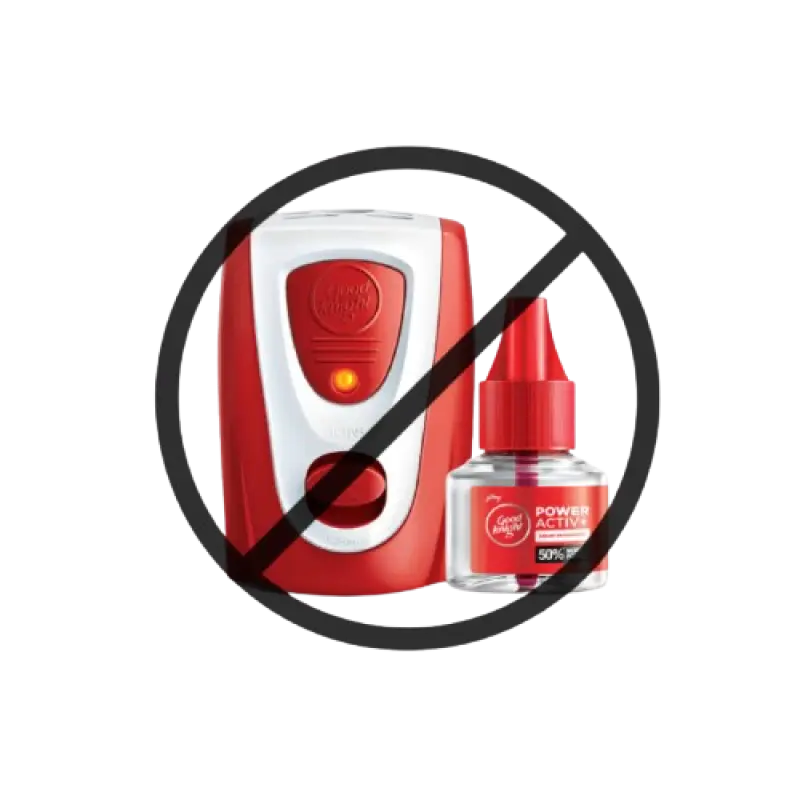
Introduction: A Drop of Relief or a Silent Risk?
In most Indian households, especially during the monsoon and summer months, mosquito repellent liquids like All-Outand GoodKnight are switched on as routinely as a ceiling fan. They promise peaceful, bite-free sleep—but what if this nightly habit is doing more harm than good?
We often worry about the diseases mosquitoes spread—dengue, malaria, chikangunya. But rarely do we question what's being released into the air we breathe all night long.
What’s Inside These Liquids?
Most electric mosquito repellents use a class of chemicals known as pyrethroids, specifically transfluthrin, prallethrin, or allethrin. These are synthetic chemicals that mimic natural compounds found in chrysanthemum flowers, but the processed versions are far from gentle.
Common Ingredients in Liquid Vaporizers:
Prallethrin (in GoodKnight, All-Out): A fast-acting neurotoxin
Allethrin: Another synthetic pyrethroid linked to respiratory irritation
Fragrance and Solvent Base: Often petroleum-based or containing phthalates
While these ingredients are deemed “safe in limited quantities,” what defines ‘limited’ when the exposure is overnight, daily, for years?
Health Risks: What Science Is Starting to Reveal
Studies and case reports across the globe are beginning to raise red flags on prolonged exposure to vapor-based repellents. Let’s break it down:
1. Respiratory Issues
Chronic exposure to prallethrin and allethrin may lead to asthma-like symptoms, wheezing, and breathlessness.
Children and elderly people with pre-existing lung conditions (like bronchitis or COPD) are more vulnerable.
2. Neurological Effects
Pyrethroids target the nervous system—that’s how they kill mosquitoes.
In humans, this can translate to headaches, dizziness, numbness, and even sleep disturbances.
Long-term exposure may affect cognitive function in children, especially when used in poorly ventilated rooms.
3. Skin and Eye Irritation
If you stay in close proximity to an active vaporizer or accidentally touch the liquid, you may experience itchiness, burning, or redness.
People with sensitive skin or eczema can see flare-ups due to continuous exposure.
4. Endocrine Disruption
Some chemicals in these repellents are known to mimic hormones in the body.
Over time, this could lead to issues like hormonal imbalances, fertility problems, or immune suppression.
Who’s Most at Risk?
| Group | Potential Risks |
|---|---|
| Children (0–12 yrs) | Developing lungs and brains can be affected; more sensitive to chemical exposure. |
| Pregnant Women | Inhaled toxins may affect fetal development. |
| Elderly | Pre-existing conditions like asthma, COPD worsen with constant exposure. |
| Pets | Dogs and cats can develop tremors or skin issues when exposed daily. |
What the Brands Don’t Advertise
Neither All-Out nor GoodKnight highlights the long-term effects of their products on human health in their mainstream marketing. Labels usually mention “safe when used in a ventilated room”, but most users don’t keep windows open while the device is on.
In reality, these vapors build up and circulate in the same air we breathe for hours. That’s especially dangerous in air-conditioned or sealed rooms.
Safer Alternatives for Mosquito Control
There’s no denying that we need protection from mosquitoes—but there are better, non-toxic options you can consider:
Natural and Safer Options:
Neem oil and camphor diffusers
Mosquito nets (still one of the safest and most effective)
Essential oil sprays (lemongrass, eucalyptus, citronella)
Fan-based repellents (which physically deter without chemicals)
Indoor mosquito traps using UV light
Even herbal vaporizer options exist now—look for 100% natural mosquito repellents made with citronella, tulsi, or lavender.
Tips to Reduce Risk If You Still Use Liquids
If you're not ready to give up vaporizers yet, at least take a few precautions:
Use only for short durations (1–2 hours instead of overnight)
Keep the room well-ventilated
Turn it off 30 minutes before sleeping
Keep away from babies, pregnant women, and pets
Never touch the wick or refill without washing hands
Final Thoughts: Question the Routine
It’s easy to trust brands we’ve grown up with—but habits formed out of convenience sometimes come at a hidden cost.
Mosquito repellent liquids are not inherently evil. But their daily, prolonged usage in enclosed rooms without ventilation, especially around vulnerable individuals, is a silent risk that deserves more attention.
Your home should be safe from mosquitoes, yes—but also from toxins you can’t see or smell.
Take Charge of Your Indoor Air
Explore safe, herbal mosquito repellent alternatives and indoor air purifiers on:
Your family’s health doesn’t need to be the price for a bite-free night.