What Is Steam Sterilization?
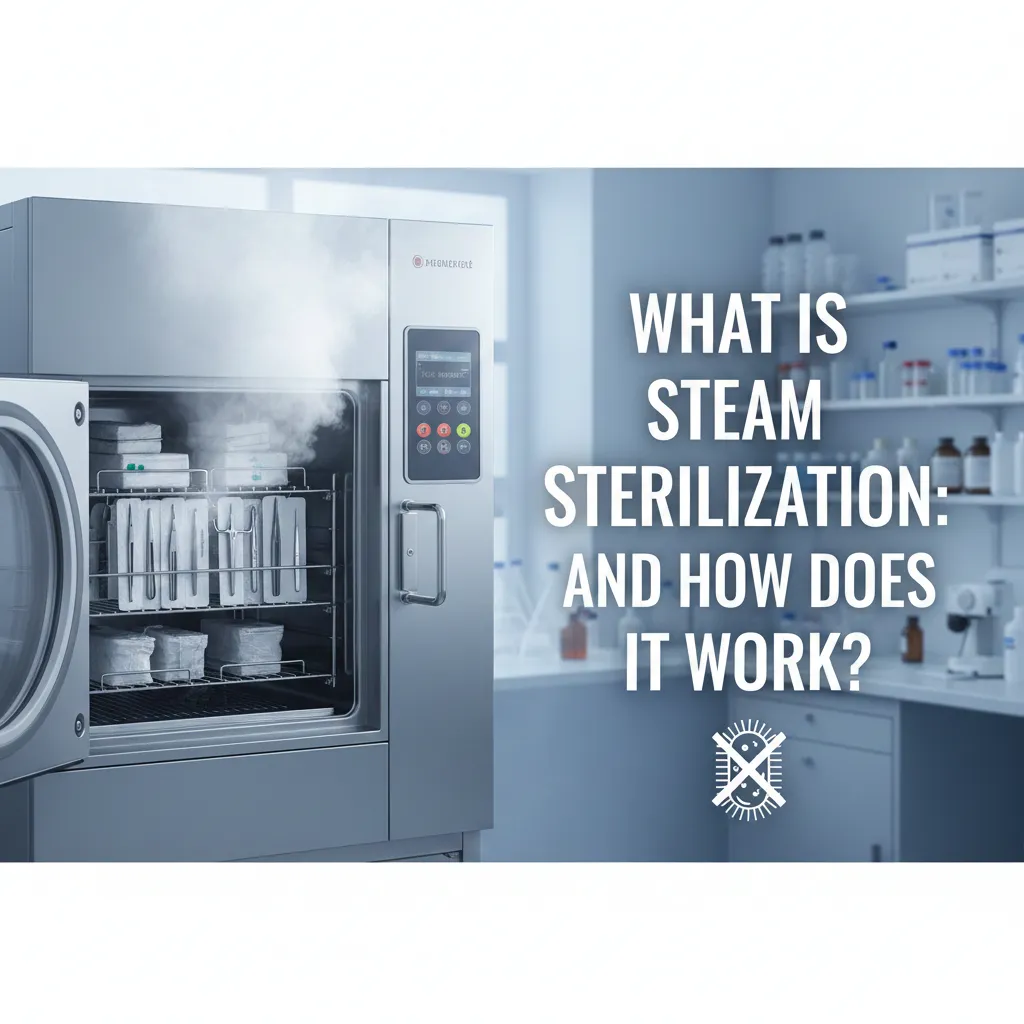
Steam sterilization is a moist heat sterilization process
that uses saturated steam at temperatures between 121°C and 134°C, under
controlled pressure, to eliminate all forms of microorganisms, including:
- Bacteria
- Viruses
- Fungi
- Mycobacteria
- Bacterial
spores (most resistant)
The process is performed using a steam sterilizer, commonly
called an autoclave.
Once an item completes a validated steam sterilization
cycle, it is considered completely sterile, meaning no viable microorganisms
remain.
This guide by Aarogyaa Bharat explains:
- What
steam sterilization is
- How
steam sterilization works
- Temperature
and pressure requirements
- Types
of steam sterilizers (autoclaves)
- Applications,
advantages, and limitations
- Best
practices for safe and effective sterilization
Why Steam Sterilization Is Preferred in Healthcare
Steam sterilization remains the first choice in healthcare
because it is:
- Highly
effective against all microorganisms
- Fast
compared to chemical methods
- Non-toxic
and residue-free
- Environmentally
friendly
- Easy
to monitor and validate
- Cost-effective
for high-volume use
Because of these benefits, steam sterilization is widely
used in:
- Hospitals
and operation theatres
- Central
Sterile Supply Departments (CSSD)
- Diagnostic
and research laboratories
- Pharmaceutical
manufacturing
- Dental
and veterinary clinics
How Does Steam Sterilization Work?
Steam sterilization works by transferring heat energy from
saturated steam to microorganisms, causing irreversible damage to their
cellular structure.
Step-by-Step Process
1. Air Removal
Air is removed from the chamber using gravity displacement
or vacuum systems.
This is critical because air prevents effective steam penetration.
2. Steam Admission
Saturated steam fills the chamber and contacts all exposed
surfaces.
3. Exposure Phase
Items are held at a specific temperature and pressure for a
defined time, ensuring complete microbial destruction.
Common parameters:
- 121°C
at ~15 psi for 15-30 minutes
- 132-134°C
at ~27-30 psi for 3-10 minutes
4. Microbial Destruction
High heat causes:
- Protein
denaturation
- Enzyme
inactivation
- Cell
membrane rupture
This destroys even highly resistant bacterial spores.
5. Exhaust and Drying
Steam is exhausted and moisture is removed to prevent wet
loads and recontamination.
Temperature and Pressure in Steam Sterilization
|
Temperature |
Pressure |
Typical
Applications |
|
121°C |
~15 psi |
Culture
media, liquids, linen |
|
132°C |
~27 psi |
Surgical
instruments |
|
134°C |
~30 psi |
Wrapped CSSD
instrument sets |
Higher temperatures require shorter exposure times.
Types of Steam Sterilizers (Autoclaves)
1. Gravity Displacement Autoclave
- Steam
displaces air naturally
- Suitable
for simple, unwrapped loads and liquids
Used in:
Laboratories, basic medical settings
2. Pre-Vacuum (High-Vacuum) Autoclave
- Uses
vacuum pumps to remove air
- Provides
excellent steam penetration
- Ideal
for wrapped and porous loads
Used in:
Hospitals, CSSD, operation theatres
3. Tabletop / Benchtop Autoclave
- Compact
design
- Suitable
for small practices
Used in:
Dental clinics, small labs, outpatient centres
Items Commonly Sterilized Using Steam
Steam sterilization is ideal for heat- and
moisture-resistant items, including:
- Surgical
instruments
- Linen
packs and drapes
- Stainless
steel tools
- Glassware
- Culture
media
Not suitable for:
- Heat-sensitive
plastics
- Electronic
devices
- Moisture-sensitive
materials
Advantages of Steam Sterilization
- Kills all microorganisms including spores
- Rapid and highly reliable
- No toxic residues
- Environmentally safe
- Easy validation using indicators
- Low operational cost
Limitations of Steam Sterilization
- Not suitable for heat-sensitive items
- Requires correct loading and packaging
- Wet loads may occur if drying is inadequate
- Needs trained personnel and maintenance
These risks can be minimized with proper procedures and training.
Monitoring Steam Sterilization Effectiveness
To ensure safety and compliance:
- Chemical
indicators - confirm exposure
- Biological
indicators - confirm microbial kill
- Physical
monitoring - time, temperature, pressure records
No load should be released without verifying indicator
results.
Best Practices for Effective Steam Sterilization
- Clean
items thoroughly before sterilization
- Use
validated packaging materials
- Load
autoclaves correctly
- Select
appropriate cycle parameters
- Allow
proper drying time
- Maintain
sterilization records
- Train
staff regularly
How Aarogyaa Bharat Supports Steam Sterilization
At Aarogyaa Bharat, we support healthcare and laboratory
facilities with:
- Steam
autoclaves for hospitals and labs
- Sterilization
accessories and consumables
- CSSD-friendly
equipment solutions
- Expert
guidance on sterilization workflows
Our focus is safe, compliant, and efficient infection control.
Conclusion
Steam sterilization remains the most dependable and
effective sterilization method in healthcare and laboratory environments. When
carried out correctly - with proper cleaning, loading, cycle selection, and
monitoring - it ensures complete microbial elimination and maximum patient
safety.
In sterilization, steam continues to set the global
standard.
- Sterilization
= zero microorganisms
- Disinfection
= reduced microorganisms
Understanding this difference ensures safer healthcare
environments and better clinical outcomes in 2025 and beyond.