At Aarogyaa Bharat, we regularly interact with families who
rent or purchase oxygen cylinders for home use, and one thing we consistently
notice is that safety awareness is often incomplete or misunderstood. Many
caregivers focus only on oxygen flow but overlook crucial safety aspects such
as cylinder placement, fire hazards, or routine inspection procedures. This
lack of awareness can unintentionally put both patients and household members
at risk.
Oxygen itself is not flammable, but it significantly
increases combustion intensity. This means that even a small spark or heat
source can cause a dangerous fire in an oxygen-enriched environment. Combined
with the high pressure inside cylinders, improper handling can lead to serious
accidents, equipment damage, or physical injuries.
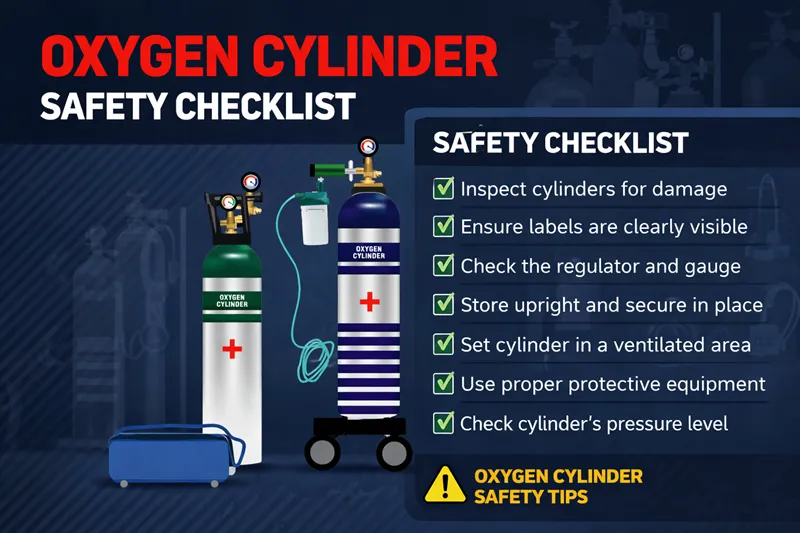
This comprehensive oxygen cylinder safety checklist is
designed to guide patients, caregivers, and family members through every
important step of safe oxygen storage, usage, transportation, and maintenance.
By following these best practices, households can create a safer healing
environment while ensuring uninterrupted oxygen therapy.
Why Oxygen Cylinder Safety Is Extremely Important
The biggest misconception about oxygen cylinders is that
they are harmless because oxygen is a naturally occurring gas. In reality,
oxygen dramatically accelerates the burning process. In an oxygen-rich
atmosphere, materials that normally burn slowly can ignite instantly and burn
fiercely. This makes fire safety one of the most critical aspects of oxygen
cylinder usage at home.
Another major safety concern is the pressure inside the
cylinder. A full oxygen cylinder contains gas compressed to extremely high
levels. If the valve is broken or the regulator is damaged, the sudden release
of pressure can turn the cylinder into a dangerous projectile. Such incidents,
though rare, can cause serious injuries, damage walls or furniture, and disrupt
essential oxygen supply to patients.
Contamination is another hidden risk. Oil, grease, lotions,
or dust particles that come into contact with oxygen valves or regulators can
ignite due to friction or heat build up. Many households unknowingly touch
valves with oily hands or place cleaning agents near oxygen equipment,
increasing the risk of combustion.
Understanding these risks helps caregivers take safety
protocols seriously. With proper education, disciplined routines, and correct
equipment placement, oxygen cylinders can be used safely without creating
unnecessary fear or stress for patients and their families.
Safe Placement and Storage Guidelines
Proper placement of an oxygen cylinder is the foundation of
home oxygen safety. Cylinders must always be stored in an upright position and
secured with a wall chain, stand, or stable bracket to prevent tipping. A
falling cylinder can damage the valve and cause a sudden high-pressure gas
release, which is extremely dangerous.
The storage area should be cool, dry, well-ventilated, and
away from direct sunlight. Heat increases internal pressure inside the
cylinder, which can weaken its structure over time. Never place oxygen
cylinders near gas stoves, heaters, electrical panels, or areas where sparks
may occur, such as near plug points or inverter batteries.
It is also important to maintain a safety clearance of at
least 5 to 10 feet around the cylinder. This space should remain free from
flammable materials like curtains, paper, plastic items, cleaning chemicals,
and aerosol sprays. A clutter-free zone improves airflow and reduces the risk
of accidental ignition.
Avoid storing cylinders under beds, inside cupboards, or in
unventilated rooms. Poor ventilation allows oxygen to accumulate if there is
even a minor leak, creating an oxygen-rich environment that significantly
increases fire risk. Always choose an open, airy location for safer storage.
Correct Handling and Daily Usage Practices
Always handle oxygen cylinders with clean, dry hands. Oil,
grease, or lotion residues can react dangerously with oxygen, especially around
the valve and regulator area. Before connecting any equipment, ensure that the
regulator, tubing, and connectors are free from dust, moisture, or visible
damage.
When opening the cylinder valve, do it slowly and gently.
Sudden valve opening can cause a rapid pressure surge that damages the
regulator and generates internal heat due to friction. This process, known as
adiabatic compression, increases ignition risk and shortens equipment lifespan.
Strictly follow the prescribed oxygen flow rate given by a
doctor or respiratory therapist. Increasing the flow rate unnecessarily does
not improve oxygen delivery and can dry out airways, waste oxygen, and raise
fire risk. Always use the flow meter responsibly and avoid unauthorized
adjustments.
Smoking, incense sticks, candles, mosquito coils, and open
flames must be strictly prohibited in any room where oxygen is in use. Even a
tiny spark from static electricity or electronic devices can ignite materials
in an oxygen-enriched atmosphere. Displaying “No Smoking Oxygen in Use” warning
signs at home is a simple yet powerful safety measure.
Fire Safety and Environmental Precautions
Fire safety is the most critical aspect of oxygen cylinder
usage. Even though oxygen itself does not burn, it makes everything around it
burns faster and hotter. This means materials that are normally slow to catch
fire can ignite almost instantly in the presence of high oxygen levels.
Electrical safety is equally important. Avoid using
extension cords, loose wiring, or damaged electrical appliances near oxygen
equipment. Sparks from faulty switches or overloaded sockets can trigger fires
in oxygen-rich environments. Always keep mobile phone chargers, heaters, and
electric kettles far away from the oxygen setup.
Never use petroleum-based products such as Vaseline, hair
oil, or oily hand creams near oxygen cylinders. These substances can ignite
when exposed to pressurized oxygen. Always use water-based moisturizers if
dryness is a concern for patients using oxygen therapy.
Ensure proper ventilation in the room. Open windows or use
an exhaust fan to allow fresh air circulation. This prevents oxygen buildup and
reduces fire intensity risk if a spark occurs. A well-ventilated space is one
of the simplest and most effective safety measures.
Transportation and Movement Safety
When moving an oxygen cylinder inside the home, always use a
proper trolley or wheeled cart. Dragging or rolling cylinders on the floor can
damage the outer shell and weaken the valve area over time, increasing the risk
of leaks.
Never carry a cylinder by holding the regulator or valve.
Always support the cylinder body with both hands and ensure the protective cap
is in place if the cylinder is not connected. The protective cap shields the
valve from accidental impacts during movement.
During vehicle transport, cylinders must be secured upright
using straps or brackets. Never leave them loose in the boot of a car, as
sudden braking can cause them to roll violently and damage the valve.
Avoid leaving oxygen cylinders in parked vehicles,
especially during hot weather. High temperatures increase internal pressure and
may cause valve failure or gas leakage. Always transport cylinders directly to
their destination without unnecessary delays.
Routine Inspection and Maintenance Checklist
Daily visual inspection is essential for safe oxygen
therapy. Look for dents, rust spots, loose fittings, or unusual sounds that may
indicate pressure issues or internal leakage. Any abnormal signs should be
reported immediately to your oxygen supplier.
Regularly monitor the pressure gauge to track oxygen levels
and plan timely refills. Running out of oxygen unexpectedly can be dangerous
for patients who rely on continuous therapy, especially during night time hours.
Inspect tubing and regulator seals for cracks, dryness, or
stiffness. Damaged tubing can cause leaks and reduce oxygen delivery
efficiency. Replace worn-out accessories immediately and avoid makeshift
repairs.
Keep the cylinder area clean and dust-free. Wipe the
exterior using a dry cloth and avoid using chemical cleaners near the valve.
Proper maintenance not only improves safety but also extends equipment
lifespan.
Emergency Preparedness and Backup Planning
Every household using oxygen cylinders should keep at least
one backup cylinder to handle emergencies, power failures, or unexpected supply
delays. This is especially important for patients who depend on continuous
oxygen therapy.
Caregivers and family members should be trained on how to
shut off the cylinder valve quickly in case of leaks, fire, or equipment
malfunction. Practicing emergency procedures reduces panic and ensures faster
response times.
Keep emergency contact numbers for your oxygen supplier,
doctor, and local emergency services clearly displayed near the oxygen setup.
In case of abnormal pressure drops, unusual smells, or valve damage,
discontinue use immediately and contact professionals.
Having a fire extinguisher suitable for electrical and gas
fires near the oxygen setup adds an extra layer of protection. While rarely
needed, it provides peace of mind and readiness for unforeseen situations.
Oxygen Cylinder Safety Checklist Table
|
Safety
Category |
Key Action
Points |
|
Placement
& Storage |
Store
upright, secure with stand, keep away from heat and flammable materials |
|
Handling
Practices |
Use clean
hands, open valve slowly, follow prescribed flow rate |
|
Fire Safety |
No smoking,
no flames, display warning signs, keep 5-10 ft clearance |
|
Electrical
Safety |
Avoid loose
wiring, keep electronics away, ensure proper grounding |
|
Transportation |
Use trolley,
secure in vehicle, avoid heat exposure |
|
Inspection
& Maintenance |
Check for
leaks, rust, damaged tubing, monitor pressure gauge regularly |
|
Emergency
Preparedness |
Keep backup
cylinder, know emergency contacts, train caregivers |
Common Mistakes to Avoid
One of the most common mistakes is placing oxygen cylinders
near kitchen areas or gas stoves for convenience. This creates a severe fire
hazard and must be avoided at all costs. Cylinders should always be placed in
low-risk, well-ventilated rooms.
Another frequent error is adjusting oxygen flow rates
without medical advice. Increasing flow does not improve oxygen absorption and
can cause dryness, headaches, and oxygen wastage. Always follow the prescribed
rate strictly.
Many users also forget routine inspections. Ignoring small
leaks, damaged tubing, or loose fittings can lead to larger safety issues over
time. Daily visual checks should become a non-negotiable habit.
Storing cylinders horizontally without proper support is
another risky practice. Cylinders should always remain upright and secured to
prevent accidental falls and valve damage.
Conclusion
Oxygen cylinders are life-saving medical tools that play a
crucial role in home healthcare, but they demand disciplined safety practices
to prevent accidents and ensure uninterrupted therapy. From correct placement
and fire safety to routine inspections and emergency preparedness, every step
in the safety checklist contributes to a safer healing environment.
At Aarogyaa Bharat, we prioritize patient safety above
everything else. We provide high-quality oxygen cylinders, trolleys,
regulators, and accessories for both rental and purchase across India. Our
expert team also offers guidance on installation, safe usage, and maintenance
so families can feel confident and secure in their home care setup.
By following this comprehensive oxygen cylinder safety
checklist, you can protect your loved ones, extend equipment lifespan, and
ensure reliable oxygen delivery without unnecessary risks. For professional
support, transparent pricing, and dependable medical equipment, Aarogyaa Bharat
is always here to help.