Understanding Home Oxygen Therapy Before Comparing
Devices
Home oxygen therapy is prescribed when a patient’s oxygen
saturation drops below healthy levels, causing fatigue, breathlessness, or
organ stress. Oxygen delivery systems aim to maintain stable oxygen levels so
that patients can recover safely at home without repeated hospital visits. The
two most common oxygen sources are compressed oxygen cylinders and oxygen concentrators;
each designed for different treatment scenarios. Aarogyaa Bharat emphasizes
that choosing between these devices requires understanding therapy duration,
electricity availability, mobility needs, and caregiver support, because the
wrong choice may lead to inconvenience or safety risks during long-term care.
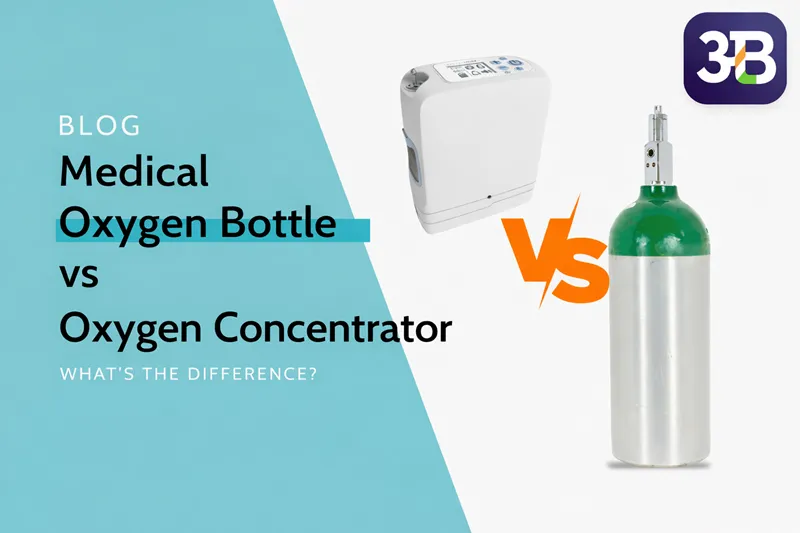
What Is a Medical Oxygen Bottle and How It Works
A medical oxygen bottle contains compressed oxygen stored
under high pressure inside a metal cylinder. When connected to a regulator, the
cylinder releases oxygen at a controlled flow rate through a mask or nasal
cannula. Oxygen bottles are known for delivering high-purity oxygen instantly
without relying on electricity, making them ideal for emergencies, travel, or
backup supply. However, cylinders require regular refilling and careful
handling because oxygen supports combustion and the cylinder contains pressurized
gas. Aarogyaa Bharat highlights that oxygen bottles are often preferred in
short-term therapy or as emergency support during power outages.
What Is an Oxygen Concentrator and How It Works
An oxygen concentrator is an electrically powered device
that draws ambient air, removes nitrogen using molecular sieve technology, and
delivers concentrated oxygen to the patient. Unlike cylinders, concentrators do
not store oxygen but generate it continuously as long as electricity is
available. This makes them highly suitable for long-term home therapy where
patients require oxygen for several hours daily. Modern concentrators include
safety alarms, adjustable flow settings, and humidification options that
improve comfort during prolonged use. Aarogyaa Bharat notes that concentrators
have become increasingly popular in Indian homes due to their convenience and
reduced dependency on refilling services.
Table: Key Differences Between Oxygen Bottle and Oxygen
Concentrator
|
Feature |
Medical
Oxygen Bottle |
Oxygen
Concentrator |
|
Oxygen Source |
Compressed
medical oxygen |
Generated
from ambient air |
|
Power
Requirement |
No
electricity required |
Requires
electricity |
|
Portability |
Highly
portable |
Depends on
model |
|
Oxygen
Duration |
Limited by
cylinder size |
Continuous
supply |
|
Maintenance |
Refilling
required |
Filter
cleaning required |
Safety Comparison: Oxygen Cylinder vs Concentrator
Safety is one of the most important factors when choosing an
oxygen delivery system. Oxygen cylinders contain highly pressurized gas, which
requires secure storage, upright positioning, and careful handling to prevent
accidents. Concentrators, while safer from a pressure standpoint, rely on
electricity and may require backup power during outages. Both systems must be
kept away from flames, smoking areas, and heat sources. Aarogyaa Bharat
strongly recommends maintaining a no-smoking policy and ensuring proper
ventilation regardless of which device is used, as oxygen-rich environments
increase fire risk.
Performance and Oxygen Purity Differences
Medical oxygen bottles typically deliver oxygen with very
high purity levels, making them suitable for acute respiratory support and
emergency scenarios. Oxygen concentrators deliver slightly lower but still
clinically effective oxygen purity depending on the model and flow rate. For
most home-care patients, concentrators provide sufficient oxygen levels for
daily therapy, while cylinders remain useful when higher oxygen demand or
backup supply is required. Aarogyaa Bharat advises consulting healthcare professionals
to determine which system meets the patient’s prescribed therapy requirements.
Table: When to Choose Oxygen Bottle vs Oxygen
Concentrator
|
Patient
Need |
Better
Choice |
Reason |
|
Emergency
backup |
Oxygen Bottle |
Works without
electricity |
|
Long-term
daily therapy |
Oxygen
Concentrator |
Continuous
oxygen supply |
|
Travel or
mobility |
Portable
Cylinder |
Lightweight
and flexible |
|
Power outage
areas |
Cylinder +
Concentrator |
Hybrid safety
setup |
Cost Considerations for Indian Home Healthcare
Cost plays a significant role in deciding between cylinders
and concentrators. Oxygen cylinders may appear affordable initially but require
ongoing refill expenses, which can add up over time. Oxygen concentrators
involve a higher upfront cost but often become more economical for long-term
therapy because they eliminate refill charges. Aarogyaa Bharat recommends
evaluating monthly oxygen usage and comparing long-term expenses before making
a decision, as this helps families choose a financially sustainable solution.
Comfort and Convenience for Patients and Caregivers
Patient comfort is essential for maintaining consistent
oxygen therapy. Concentrators allow continuous therapy without interruption,
reducing anxiety related to oxygen supply. Many models include humidifiers that
prevent dryness during prolonged use. Oxygen cylinders, while reliable, may
require frequent monitoring to ensure adequate oxygen levels. Aarogyaa Bharat
highlights that ease of use, noise level, and portability should be considered
to ensure that oxygen therapy integrates smoothly into daily routines.
Home Setup Requirements and Space Considerations
Choosing between a cylinder and a concentrator also depends
on available home space. Oxygen cylinders require secure storage areas away
from direct sunlight and heat, while concentrators need access to power outlets
and proper ventilation. Aarogyaa Bharat recommends creating a dedicated oxygen
therapy zone in the home where equipment remains organized and safe from
accidental contact.
Environmental and Lifestyle Factors
Lifestyle and environment influence the choice of oxygen
equipment. Patients living in areas with frequent power cuts may rely more
heavily on oxygen cylinders, while those with stable electricity supply benefit
from concentrators. Mobility needs also play a role, as portable cylinders are
easier to carry during travel. Aarogyaa Bharat encourages families to assess
daily routines and emergency preparedness before selecting a device.
Emotional and Psychological Impact of Choosing the Right
Oxygen Device
Reliable oxygen therapy equipment can reduce stress for both
patients and caregivers by ensuring consistent respiratory support. Knowing
that oxygen is available whenever needed improves confidence and encourages
adherence to therapy plans. Aarogyaa Bharat believes that the right choice
between cylinder and concentrator contributes to both physical recovery and
emotional stability during home healthcare.
Common Mistakes Families Make When Choosing Oxygen
Equipment
Many families select oxygen devices based only on price or
availability without considering long-term therapy requirements. Using
industrial cylinders instead of medical-grade equipment, ignoring safety
certifications, or failing to maintain filters and regulators are common
mistakes that can compromise safety. Aarogyaa Bharat advises consulting medical
professionals and choosing certified equipment to ensure reliable and safe
therapy.
Conclusion
Choosing between a medical oxygen bottle and an oxygen
concentrator depends on patient needs, therapy duration, safety considerations,
and lifestyle factors. Oxygen cylinders provide reliable emergency support and
portability, while concentrators offer continuous oxygen generation for
long-term home care. Aarogyaa Bharat encourages families to adopt a balanced
approach by combining medical guidance with practical home-care planning,
ensuring that oxygen therapy remains safe, efficient, and comfortable for patients
recovering at home.