Introduction
Burn bumps can be scary - especially when they happen unexpectedly in the kitchen, from boiling water, hot oil, or even a steam iron. Whether it's a first-degree burn or a blister-forming second-degree burn, knowing how to act in the first 5 minutes can make all the difference between fast healing and painful infection. This blog will guide you through how to treat burn bumps at home in emergency situations before you reach a hospital or doctor - because the right first aid can prevent long-term skin damage and reduce pain quickly.What Are Burn Bumps?
Burn bumps are raised fluid-filled blisters that form on the skin after a burn. These usually appear after:
Direct contact with flame or hot surfaces
Scalds from hot liquids or steam
Chemical burns
Friction burns (like on a treadmill)
Most first-degree burns cause redness and swelling, while second-degree burns result in blisters or bumps on the skin.
First Aid Steps to Heal Burn Bumps at Home
Step 1: Cool the Burn Immediately
Hold the affected area under cool (not ice-cold) running water for 15-20 minutes.
If running water isn't available, use a clean wet cloth soaked in cool water.
Do not use ice-it can worsen skin damage.
Step 2: Do NOT Pop the Bumps
Blisters form to protect the skin beneath while it heals.
Popping them increases the risk of infection and slows down healing.
Step 3: Clean the Area Gently
Use mild soap and clean water.
Do not scrub or rub the area.
Pat dry gently with a clean towel.
Step 4: Apply a Burn Ointment
Use over-the-counter topical creams like:
Silver sulfadiazine (commonly used in hospitals)
Aloe vera gel (soothing and promotes healing)
Burnol, Betadine, or antibiotic ointments
Avoid home remedies like toothpaste or butter-they trap heat and bacteria.
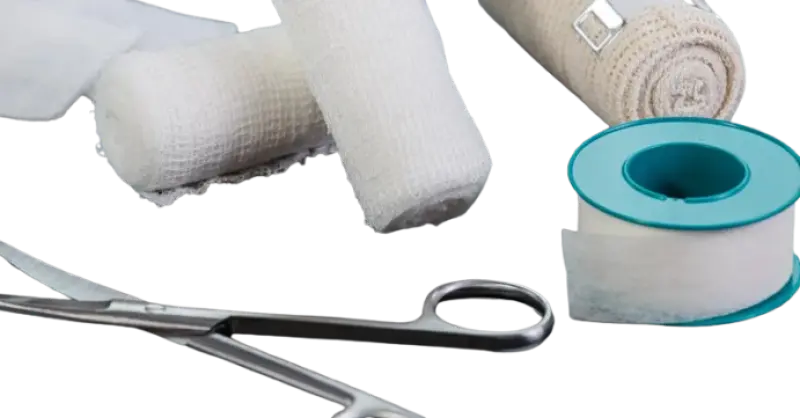
Step 5: Cover the Burn with a Sterile Bandage
Use non-stick sterile gauze.
Wrap it loosely-enough to protect but not press on the bumps.
Change the dressing daily or if it gets wet or dirty.
When to Seek Medical Help
Home care is okay for minor burns, but call a doctor or go to the ER if:
The burn is larger than 3 inches
It's on the face, hands, feet, or genitals
The person is a child or elderly
Signs of infection appear (pus, increasing pain, redness, or fever)
The blisters are extremely large or painful
It’s a chemical or electrical burn
What NOT to Do for Burn Bumps
Don’t pop or drain the blisters.
Don’t apply oil, ghee, toothpaste, or ice.
Don’t remove stuck clothing from the burn.
Don’t delay seeking help for serious burns.
Quick Healing Tips After Emergency Treatment
Keep the area moisturized with aloe or doctor-recommended creams.
Take pain relievers like paracetamol or ibuprofen if needed.
Stay hydrated and eat protein-rich foods to help skin regeneration.
Avoid sun exposure on the healing area.
Home Burn Kit Essentials You Should Always Keep
Sterile gauze and bandages
Antiseptic burn ointment (e.g., Burnol, Aloe Vera)
Mild soap or antiseptic solution
Paracetamol or ibuprofen
Clean scissors and gloves
Cold packs
You can find many of these in emergency health kits or order them online through platforms like Aarogyaa Bharat.
Final Words: Don’t Panic, Act Smart
Burn bumps at home are treatable if handled correctly and quickly. The goal is to cool the burn, protect it, and prevent infection. Always monitor the healing and don’t hesitate to get medical help if the wound doesn’t improve within a few days.
Being prepared can make a medical emergency less frightening. Stay safe, and keep a burn first aid kit handy, especially during monsoons or festive cooking seasons.