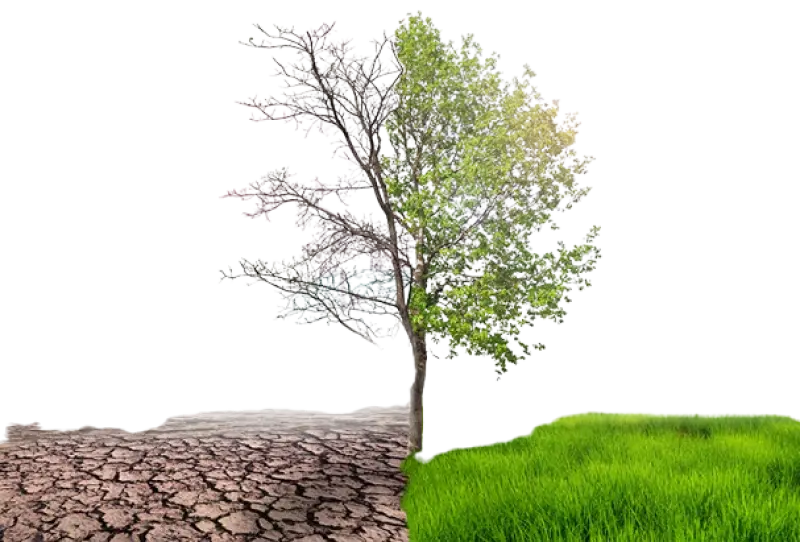
The Planet is Crying, and All Living Beings Are Listening
When we talk about pollution and global warming, it often feels like a distant concern—something out there in the ozone or ice caps. But the truth is: it's happening right here, right now, and it’s affecting every creature we share this planet with.
From the burning heat we feel each summer to the vanishing bees that pollinate our food—pollution is silently altering life for everyone, not just humans. It’s time to pause and ask: Are we ready for a world where even the air is unsafe, the seasons are unpredictable, and silence replaces birdsong?
What Is the Connection Between Pollution and Global Warming?
Pollution—especially the kind we create by burning fossil fuels, dumping waste, and overusing plastic—leads to the emission of greenhouse gases like:
Carbon dioxide (CO₂)
Methane (CH₄)
Nitrous oxide (N₂O)
These gases trap heat in our atmosphere. That’s global warming. Over time, this warming leads to climate change, melting glaciers, rising seas, extreme heat, and rainfall patterns that no longer follow nature’s rhythm.
It’s Not Just a Human Problem—It’s a Life Problem
Humans
Increase in respiratory illnesses due to air pollution
Heatwaves, water scarcity, and food insecurity
Rise in vector-borne diseases like malaria and dengue
Mental health impacts due to climate stress and displacement
Birds
Disrupted migration patterns due to changing seasons
Nesting failures caused by heat and habitat loss
Decline in food sources (insects, seeds, berries)
Insects and Pollinators
Bees and butterflies are vanishing due to pesticide pollution and temperature shifts
Disruption in pollination leads to poor crop yields
Insects vital for decomposition and nutrient cycling are dying off
Pollution is not a solo killer—it’s a chain reaction that touches every wing, paw, and breath.
Real Impacts, Real Stories
Delhi’s air in winters can be more toxic than smoking 20 cigarettes a day.
In some areas, sparrows have disappeared, unable to thrive in polluted environments.
Coral reefs, the rainforests of the sea, are bleaching due to warm waters, leading to marine biodiversity collapse.
Scientists warn of a "sixth mass extinction"—and this time, it’s human-triggered.
What Can We Do?
You don’t need to be an environmentalist to make a difference. You just need to be aware and consistent:
Switch to Sustainable Choices
Say no to single-use plastic
Walk, cycle, or carpool when possible
Use public transport or electric vehicles
Green Your Lifestyle
Plant trees—even if it’s just in your balcony
Support organic farming and reduce meat consumption
Reuse, recycle, and refuse wasteful consumption
Push for Policy & Awareness
Support clean energy policies
Vote for leaders who prioritize climate action
Educate your children and communities
FAQs
Q1: Is global warming reversible?
We can’t reverse all effects, but we can slow it down dramatically with urgent global and local action.
Q2: How does pollution affect animals more than humans?
Animals can’t adapt or migrate quickly like us. They rely on instincts, which become confused due to environmental changes.
Q3: What’s the link between plastic and global warming?
Plastic is made from fossil fuels, and its production and breakdown release greenhouse gases.
Final Words: We All Breathe the Same Air
Whether you are a child walking to school, a bird looking for a tree to nest in, or a butterfly fluttering around a dying garden—this planet is our shared home. If pollution continues at this rate, we may be writing obituaries for more than just glaciers and forests—we’ll be mourning ecosystems, livelihoods, and the future itself.
Global warming isn’t coming. It’s here. The question is: what will you do now that you know?
For more health and environmental blogs, visit aarogyaabharat.com
Your health, our mission. Let’s save the planet—one breath at a time.