Structure, Function, Types & Common Vein Disorders Explained
In this comprehensive guide by Aarogyaa Bharat, we explain:
- What
veins are
- How
veins work
- Key
features of veins
- Types
of veins in the human body
- Differences
between veins and arteries
- Common
vein-related conditions
- Tips to keep your veins healthy


What Are Veins?
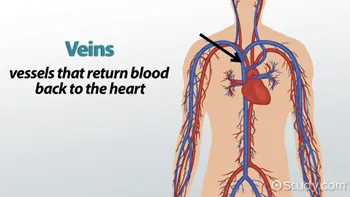
Veins are elastic blood vessels that transport blood from
various parts of the body back to the heart.
In most cases, veins carry deoxygenated blood (blood low in oxygen), except for
special cases like the pulmonary veins, which carry oxygen-rich blood from the
lungs to the heart.
Veins operate under low pressure, which is why they rely on
additional mechanisms - such as valves and muscle movement - to keep blood
flowing efficiently.
Key Features of Veins


Veins have several unique structural characteristics that
distinguish them from arteries.
1. Thin Walls
Vein walls are thinner than artery walls because blood flows
through veins at lower pressure.
2. One-Way Valves
Many veins - especially in the legs - contain valves that
prevent blood from flowing backward and pooling.
3. Large Lumen
Veins have a wider inner channel (lumen), allowing them to
hold more blood at any given time.
4. Lower Blood Pressure
Venous blood moves slowly compared to arterial blood and
relies on:
- Muscle
contractions
- Breathing
movements
- Valve
function
How Do Veins Work?


Unlike arteries, veins cannot rely on strong pressure from
the heart alone. Instead, veins use a combination of mechanisms:
Muscle Pump Mechanism
When muscles (especially leg muscles) contract, they squeeze
nearby veins, pushing blood upward toward the heart.
Valve Action
Venous valves ensure blood flows only in one direction,
preventing backflow due to gravity.
Respiratory Assistance
During inhalation, pressure changes in the chest help draw
venous blood toward the heart.
Together, these mechanisms enable efficient venous return,
even from the lower limbs.
Types of Veins in the Human Body


Veins are classified into three main types based on their
location and function.
1. Superficial Veins
- Located
close to the skin
- Not
surrounded by muscles
- Visible
in some individuals
Examples:
Great saphenous vein, small saphenous vein
Function:
Drain blood from the skin and superficial tissues.
2. Deep Veins
- Located
deep within muscles
- Accompanied
by arteries
- Carry
the majority of venous blood
Examples:
Femoral vein, popliteal vein
Function:
Return large volumes of blood to the heart.
3. Pulmonary Veins
- Carry
oxygenated blood
- Travel
from lungs to heart
Special Feature:
They are the only veins that carry oxygen-rich blood.
Veins vs Arteries: Key Differences
|
Feature |
Veins |
Arteries |
|
Direction of
blood flow |
Toward the
heart |
Away from the
heart |
|
Type of blood |
Mostly
deoxygenated |
Mostly
oxygenated |
|
Wall
thickness |
Thin |
Thick |
|
Pressure |
Low |
High |
|
Valves |
Present |
Absent
(except heart valves) |
|
Position |
Often
superficial |
Mostly deep |
Common Vein-Related Conditions


1. Varicose Veins
- Enlarged,
twisted veins
- Common
in legs
- Caused
by weakened valves
2. Deep Vein Thrombosis (DVT)
- Blood
clot in a deep vein
- Serious
condition requiring medical attention
3. Chronic Venous Insufficiency (CVI)
- Poor
blood return from legs
- Causes
swelling, pain, and skin changes
4. Spider Veins
- Small,
visible veins near skin surface
- Usually
cosmetic but may indicate circulation issues
Why Vein Health Is Important
Healthy veins ensure:
- Proper
blood circulation
- Reduced
swelling and discomfort
- Lower
risk of clots and ulcers
- Better
heart and lung function
Poor venous health can lead to fatigue, pain, swelling, and
serious complications if ignored.
Tips to Keep Your Veins Healthy
- Stay
physically active
- Avoid
prolonged sitting or standing
- Elevate
legs when resting
- Maintain
a healthy weight
- Stay
hydrated
- Wear
compression stockings if advised
- Avoid
smoking
When to See a Doctor
Consult a healthcare professional if you experience:
- Persistent
leg swelling
- Pain
or heaviness in legs
- Sudden
leg redness or warmth
- Visible
vein changes with discomfort
Early diagnosis can prevent complications.
How Aarogyaa Bharat Supports Vascular & Home
Healthcare
At Aarogyaa Bharat, we support health awareness and home
care by offering:
- Medical-grade
compression aids
- Mobility
and circulation support products
- Home
healthcare equipment
- Educational
resources for patients and caregivers
Our mission is to promote better circulation, recovery, and
overall well-being.
Frequently Asked Questions (FAQs)
Q1. Do veins carry oxygenated blood?
Most veins carry deoxygenated blood, except pulmonary veins.
Q2. Why do veins have valves?
Valves prevent blood from flowing backward.
Q3. Are visible veins a health concern?
Not always, but painful or swollen veins should be evaluated.
Q4. Can vein problems be prevented?
Yes, through lifestyle changes and early care.
Conclusion
Veins are a vital part of the circulatory system,
responsible for returning blood to the heart and maintaining healthy
circulation. Understanding how veins work, recognizing early signs of vein
disorders, and adopting healthy habits can go a long way in preventing
complications.
Healthy veins mean better circulation, less discomfort, and
a healthier life.