Introduction :
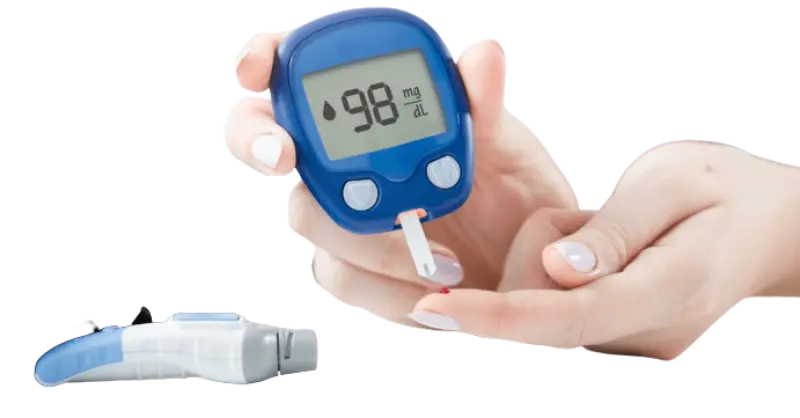
Keeping track of your blood sugar levels is one of the most important steps in managing diabetes. Whether you’ve been recently diagnosed or are helping a family member, knowing how to use a glucometer the right way can make a world of difference.
It may look intimidating at first—but trust us, once you understand the process, it becomes second nature. This blog will walk you through how a glucometer works, how to use it correctly, and tips to avoid common mistakes.
What Is a Glucometer?
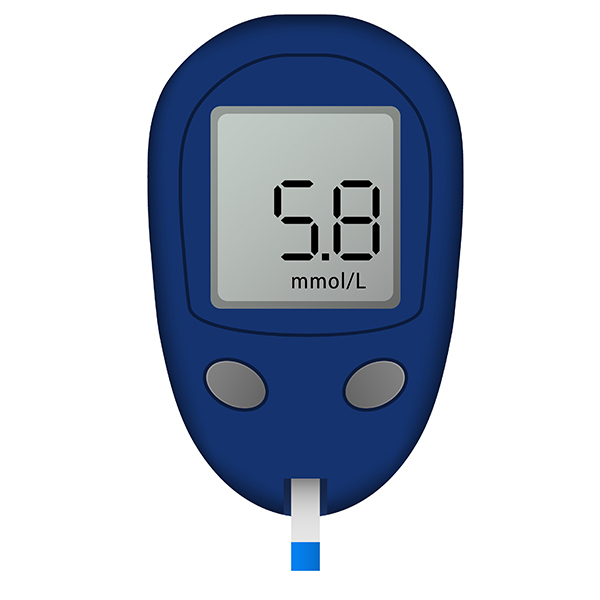
A glucometer (also called a blood glucose meter) is a small, portable device that measures the amount of sugar (glucose) in your blood. It’s commonly used by people with diabetes to keep their blood sugar within target ranges.
Most glucometers give results within seconds using just a tiny drop of blood. Brands like Accu-Chek, AccuSure, Apollo, and Abbott offer widely trusted models available across India.
Things You Need Before Testing
Before you start, make sure you have the following:
A glucometer device
Test strips (compatible with your glucometer)
Lancing device and lancets (to prick your finger)
Cotton swab or alcohol wipe
A logbook or mobile app (optional) to track your readings
Step-by-Step: How to Use a Glucometer at Home
Step 1: Wash Your Hands
Always start with clean, dry hands. Washing removes any residue (like food or sugar) that could distort the reading.
Step 2: Insert the Test Strip
Place the test strip into the glucometer. Most devices turn on automatically once the strip is in.
Step 3: Prepare the Lancing Device
Load a new lancet into the lancing device and adjust the depth setting if your device allows it. A lower number means a shallower prick.
Step 4: Prick Your Finger
Usually, the sides of your fingertips are less painful. Use the lancet to prick the skin and squeeze gently to get a small drop of blood.
Step 5: Apply the Blood to the Test Strip
Touch the blood drop to the strip. The glucometer will draw it in and begin analyzing.
Step 6: Read the Result
Your result will display in a few seconds—typically in mg/dL (milligrams per deciliter). Note the time and date along with the number.
Step 7: Dispose and Clean
Dispose of the used lancet and strip safely. Wipe the finger with a clean cotton swab if needed.
When Should You Check Your Blood Sugar?
The timing depends on your doctor’s recommendation, but commonly it’s done:
Before meals
Two hours after eating
Before bedtime
During illness
When experiencing symptoms of high or low blood sugar
Tips for Accurate Readings
Don’t reuse lancets or test strips.
Avoid pricking the same finger repeatedly.
Store strips in a cool, dry place—moisture can ruin them.
Always check the expiry date on strips and lancets.
Calibrate your glucometer if required (some models do it automatically).
Common Mistakes to Avoid
Using dirty or wet hands
Not changing the lancet often
Using the wrong type of test strips
Applying too little or too much blood
Not waiting for alcohol to dry (it can dilute the blood)
Choosing the Right Glucometer
Look for glucometers that are:
User-friendly
Compact and travel-friendly
Bluetooth-enabled for syncing with apps
Equipped with memory storage
Have affordable test strips
Popular options include the Accu-Chek Instant, Apollo Glucometer, and Abbott FreeStyle. Make sure your choice fits your budget and usage frequency.
Final Thoughts
Using a glucometer at home is not just about convenience—it empowers you to take control of your health. With the right technique and consistent tracking, you’ll be better equipped to manage diabetes and avoid complications.
If you're looking to buy a glucometer, reorder test strips, or need help choosing the right device, visit Aarogyaa Bharat—your one-stop platform for trusted medical equipment and wellness guidance.